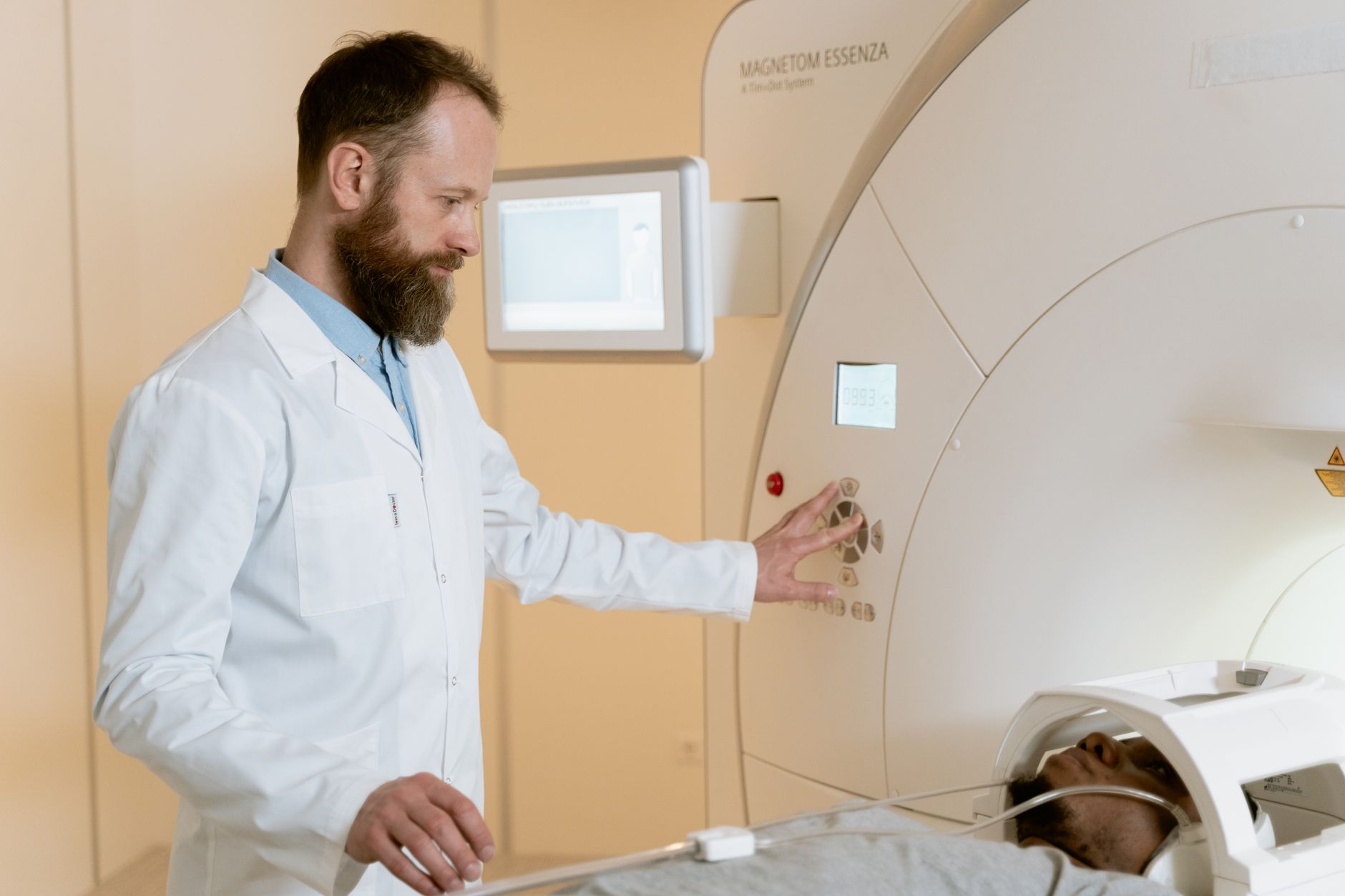
What is an Electroencephalogram (EEG)?
An Electroencephalogram, commonly known as an EEG, is a crucial diagnostic tool used by neurologists and healthcare professionals to assess the electrical activity of the brain. It's a non-invasive procedure that records the brain's electrical patterns through small sensors, called electrodes, attached to the scalp. These patterns, or brain waves, provide valuable insights into brain function and can help identify abnormalities associated with various neurological conditions, most notably epilepsy. For individuals in India, understanding the role of EEGs can empower them to have more informed discussions with their doctors about diagnosis and treatment plans.
Why is an EEG Important for Epilepsy?
Epilepsy is a neurological disorder characterized by recurrent seizures, which are sudden surges of abnormal electrical activity in the brain. An EEG is one of the most important tests for diagnosing and managing epilepsy. It helps doctors:
- Diagnose Epilepsy: By detecting abnormal brain wave patterns, an EEG can provide supportive evidence to confirm a diagnosis of epilepsy, especially after a person experiences their first seizure.
- Identify Seizure Type: Different types of epilepsy manifest with distinct seizure patterns, and an EEG can help classify these, guiding treatment decisions.
- Locate the Seizure Focus: The EEG can sometimes pinpoint the area in the brain where the seizures originate, known as the seizure focus.
- Monitor Treatment Effectiveness: EEGs are used to track how well anti-seizure medications are working and to monitor the brain's electrical activity during medication adjustments or withdrawal.
- Detect Interictal Epileptiform Discharges (IEDs): Even between seizures, an EEG can sometimes pick up abnormal brain wave patterns called IEDs, which are often associated with epilepsy.
Types of EEGs for Epilepsy
Several types of EEGs are used, each with specific applications:
1. Routine EEG
A standard EEG is typically performed in a doctor's office or a hospital setting. It involves attaching about 20 small sensors to the scalp using a conductive paste. The test usually takes about 20 to 30 minutes. During the procedure, you'll be asked to rest quietly, and you might be prompted to perform certain actions like opening or closing your eyes, breathing deeply, or looking at a flashing light. These actions can sometimes help trigger seizure activity or identify photosensitive epilepsy.
2. Sleep EEG
For some individuals, seizure activity is more pronounced during sleep. A sleep EEG is performed while the patient is sleeping, often for about 2 hours. This can involve natural sleep or induced sleep. Epileptiform activity is commonly observed during non-rapid eye movement (NREM) sleep, making a sleep EEG particularly useful for diagnosing sleep-related epilepsies or capturing abnormalities that might be missed on a routine EEG.
3. Sleep Deprivation EEG
Sleep deprivation can increase the likelihood of seizures in individuals with epilepsy. A sleep deprivation EEG may involve restricting sleep the night before the test or having the test done under conditions of interrupted sleep at a medical facility. This method aims to increase the chances of capturing seizure activity during the EEG recording.
4. Ambulatory EEG
An ambulatory EEG is a longer-term monitoring test that records brain activity over one or multiple days, often for 24 to 72 hours or even longer. The patient can typically continue with most daily activities, with the exception of getting the recording device wet. This type of EEG is useful for capturing seizures that occur infrequently or outside of a clinical setting.
5. Video Telemetry (Video EEG)
If a routine EEG is not definitive, doctors may recommend video telemetry. This involves continuous EEG monitoring combined with video recording, often for up to 5 days. The video component allows doctors to correlate the patient's symptoms and behaviors during a seizure with the corresponding brain wave activity. This is particularly helpful in understanding the clinical presentation of seizures and their underlying electrical patterns.
6. Invasive EEG-Telemetry
In rare and complex cases where scalp EEGs are insufficient, invasive EEG-telemetry may be considered. This procedure involves surgically implanting electrodes directly into the brain to monitor electrical activity for up to two weeks. While it provides highly detailed information, it also carries a small risk of infection (2-4%).
What to Expect During an EEG
The procedure for a scalp EEG is generally straightforward:
- Preparation: You may be asked to wash your hair the night before or the morning of the test to ensure the scalp is clean and free of oils, which can interfere with electrode contact. You might also be advised to avoid caffeine and certain medications before the test.
- Electrode Placement: A technician will carefully attach about 20 small metal discs (electrodes) to your scalp using a special paste or adhesive. Wires connect these electrodes to a recording machine.
- Recording: You will be asked to relax, either sitting up or lying down. The technician will record your brain's electrical activity for the duration of the test. You may be asked to perform specific actions like closing your eyes, breathing deeply, or looking at a strobe light.
- Duration: A routine EEG usually lasts 20-30 minutes. Longer monitoring periods, like with video telemetry, can extend for several days.
Safety of EEGs
Scalp EEGs are considered very safe, with minimal to no risks or side effects. The electrical activity recorded is purely from your brain, and the electrodes do not send any electrical current into your body. The most common discomfort might be from the paste used to attach the electrodes, which can be washed out after the test. Invasive EEG-telemetry, as mentioned, carries a small risk of infection.
Limitations of EEGs
It's important to understand that an EEG is not a perfect test. Not all seizures are captured during the recording period, especially if they are infrequent or originate in deeper parts of the brain. Furthermore, some individuals may have abnormal brain wave patterns on an EEG that do not necessarily indicate epilepsy, and vice versa. Therefore, EEG results are always interpreted in conjunction with a patient's medical history, symptoms, and other diagnostic findings.
Cost of EEGs in India
The cost of an EEG in India can vary significantly depending on the city, the hospital or diagnostic center, and the type of EEG performed. A routine EEG might range from ₹1,000 to ₹3,000, while longer monitoring sessions like video EEG can cost anywhere from ₹5,000 to ₹15,000 or more. It is advisable to inquire about the specific costs at your chosen healthcare facility.
When to Consult a Doctor
If you or someone you know experiences symptoms suggestive of a seizure, such as unexplained convulsions, loss of awareness, or unusual sensations, it is crucial to seek medical attention promptly. A neurologist can evaluate the symptoms, determine if an EEG is necessary, and interpret the results to provide an accurate diagnosis and appropriate treatment plan. Early diagnosis and management of epilepsy can significantly improve quality of life and prevent complications.