What is Glaucoma?
Glaucoma is a serious eye condition that can lead to irreversible vision loss and blindness if not detected and treated early. It is often referred to as the 'silent thief of sight' because it typically develops without any noticeable symptoms in its initial stages. The disease damages the optic nerve, which connects the eye to the brain, and this damage is usually caused by high pressure inside the eye (intraocular pressure or IOP). As the optic nerve is progressively damaged, blind spots can develop in your vision. If left untreated, glaucoma can lead to complete blindness.
Why is Glaucoma Testing Important in India?
In India, glaucoma is a significant cause of preventable blindness. Several factors contribute to this, including a lack of awareness about the disease, limited access to regular eye check-ups, and the fact that it often progresses silently. Early detection is crucial because while vision loss from glaucoma cannot be reversed, further damage can be prevented with timely treatment. Regular eye examinations are the only way to catch glaucoma in its early stages, especially for individuals at higher risk.
Who is at Risk for Glaucoma?
While anyone can develop glaucoma, certain groups are at a higher risk. It is essential for these individuals to undergo regular eye screenings:
- Age: The risk of glaucoma increases significantly with age, particularly after 60 years.
- Family History: If you have a family history of glaucoma, your risk is considerably higher.
- High Blood Pressure and Diabetes: These chronic conditions can affect blood vessels in the eyes and increase the risk of glaucoma.
- Steroid Use: Prolonged use of steroid eye drops or oral steroids can elevate eye pressure.
- Race: While less common in India compared to some other populations, certain genetic predispositions can exist.
- Other Eye Conditions: Conditions like severe myopia (nearsightedness) or eye injuries can also be risk factors.
Symptoms of Glaucoma
As mentioned, early-stage glaucoma often has no symptoms. However, as the disease progresses, symptoms may include:
- Gradual loss of peripheral (side) vision.
- Tunnel vision in advanced stages.
- In some types of glaucoma (acute angle-closure), sudden severe eye pain, nausea, vomiting, blurred vision, and halos around lights may occur. This is a medical emergency.
Diagnosis of Glaucoma: The Tests You Need
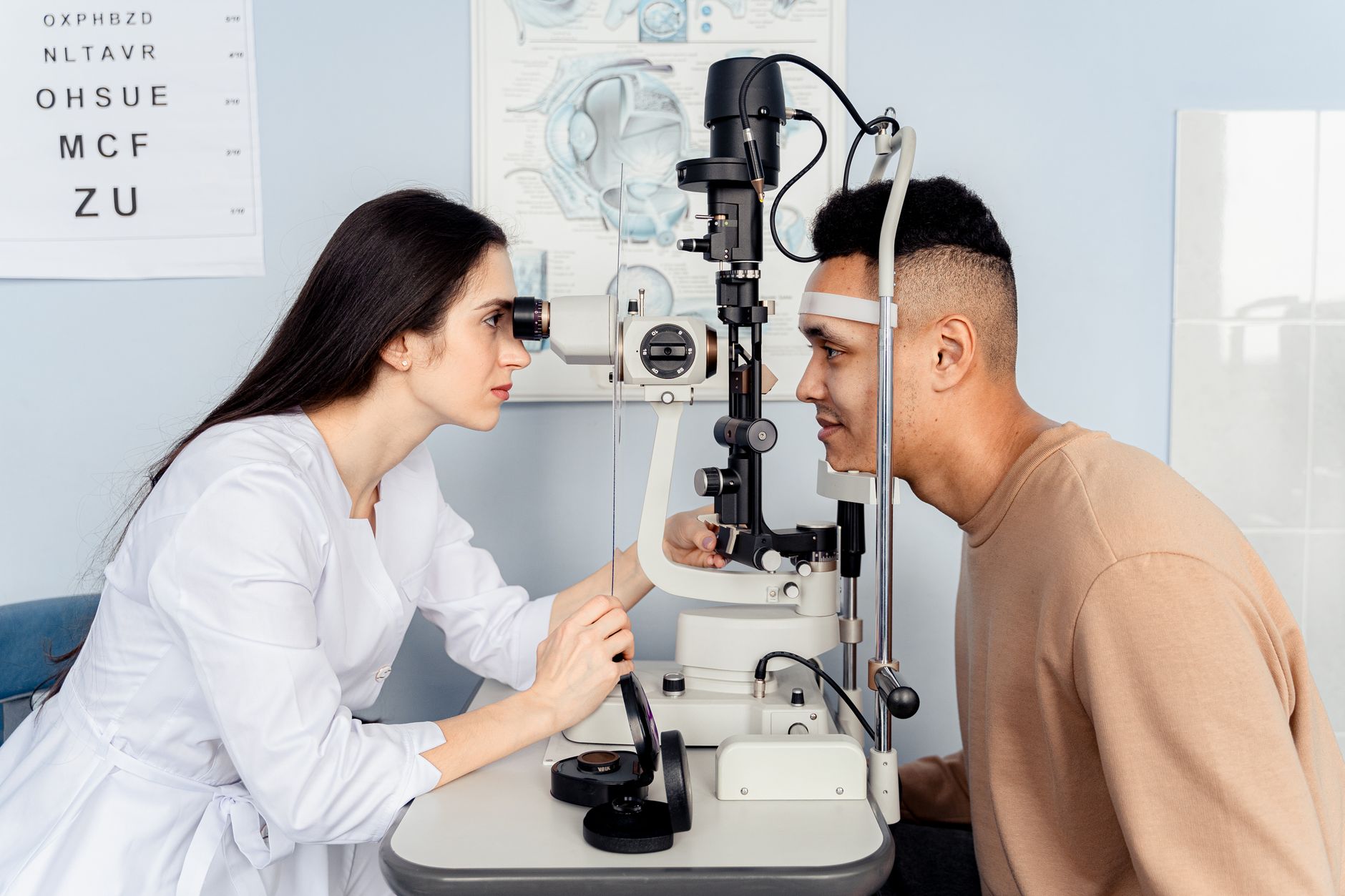
Diagnosing glaucoma involves a comprehensive eye examination by an ophthalmologist (an eye specialist). Several tests are used to assess different aspects of your eye health and detect signs of glaucoma. These tests are generally quick and painless:
1. Tonometry
This test measures the intraocular pressure (IOP) inside your eye. High IOP is a major risk factor for glaucoma. During the test, your eyes will be numbed with drops, and a small instrument (tonometer) will gently touch the surface of your eye or puff a small amount of air onto it to measure the pressure. A typical reading is between 12 and 21 millimeters of mercury (mm Hg). Readings higher than 21 mm Hg may indicate glaucoma or an increased risk.
2. Dilated Eye Exam
This is a crucial part of the glaucoma assessment. Your pupils will be dilated using special eye drops, which widens them to allow the doctor to get a clear view of the optic nerve at the back of your eye. The ophthalmologist uses a magnifying lens and a bright light to examine the optic nerve for any signs of damage, such as changes in its color or shape. Early damage to the optic nerve is a key indicator of glaucoma.
3. Gonioscopy
Gonioscopy is used to examine the drainage angle of your eye, where the iris (the coloured part of your eye) meets the cornea (the clear front surface). This angle is where the fluid inside the eye drains out. The test uses a special contact lens with mirrors that allows the doctor to see if this angle is open and clear or if it is narrow or blocked. A blocked or narrow angle can lead to a buildup of fluid and increased eye pressure.
4. Pachymetry
This test measures the thickness of your cornea, the clear outer layer of your eye. Corneal thickness can affect IOP readings, so knowing your corneal thickness helps the doctor interpret the tonometry results more accurately. Thinner corneas can sometimes be associated with a higher risk of glaucoma.
5. Perimetry (Visual Field Test)
Also known as a visual field test, perimetry maps out the entire scope of your vision, including your peripheral (side) vision. You will be asked to look straight ahead and indicate whenever you see a light flash in your peripheral vision. This test helps detect any blind spots that may have developed due to optic nerve damage. Since glaucoma often affects peripheral vision first, this test is vital for detecting the disease in its early stages and monitoring its progression over time. Visual field tests can take up to 10 minutes.
Treatment for Glaucoma
The goal of glaucoma treatment is to lower eye pressure and prevent further damage to the optic nerve. Treatment options include:
- Medicated Eye Drops: These are the most common initial treatment. They work by reducing the amount of fluid produced in the eye or increasing its outflow.
- Oral Medications: In some cases, oral medications may be prescribed to lower eye pressure.
- Laser Therapy: Laser treatments can help improve the drainage of fluid from the eye or reduce fluid production.
- Surgery: If medications and laser therapy are not effective, surgery may be recommended to create a new drainage channel for the fluid.
It is crucial to follow your doctor's treatment plan diligently and attend all follow-up appointments.
Prevention and When to Consult a Doctor
While glaucoma cannot be prevented entirely, its progression can be halted with early detection and treatment. Here’s how you can protect your vision:
- Regular Eye Check-ups: Schedule comprehensive eye exams as recommended by your doctor, especially if you are over 40 or have risk factors. For individuals over 60 or those with significant risk factors, annual screenings are highly recommended.
- Know Your Risk Factors: Be aware of your family history and any existing health conditions like diabetes or high blood pressure.
- Healthy Lifestyle: Maintaining a healthy lifestyle, including a balanced diet and regular exercise, can contribute to overall eye health.
- Avoid Self-Medication: Do not use steroid eye drops without a doctor's prescription, as they can significantly increase eye pressure.
Consult an eye doctor immediately if you experience:
- Sudden severe eye pain, blurred vision, nausea, and vomiting (signs of acute angle-closure glaucoma).
- Any changes in your vision, such as blind spots or difficulty seeing in low light.
- If you are in a high-risk group and haven't had a recent eye exam.
Taking proactive steps and undergoing regular glaucoma testing are vital for preserving your precious eyesight. Don't let the 'silent thief' steal your vision – get your eyes checked regularly!