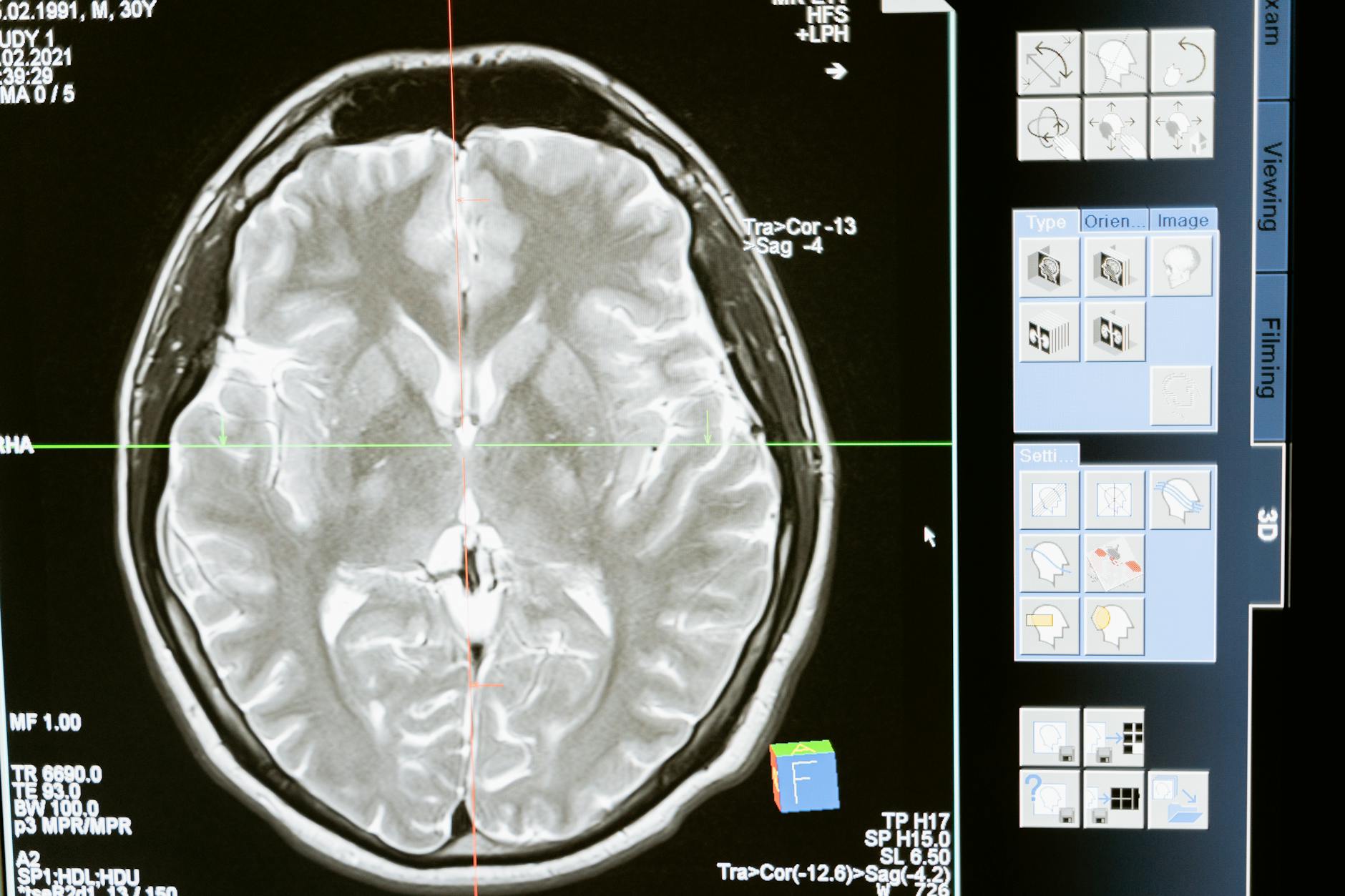
What is Idiopathic Parkinson's Disease (IPD)? Idiopathic Parkinson's Disease (IPD) is the most common form of Parkinson's disease, accounting for the vast majority of diagnoses. The term "idiopathic" signifies that the cause of the disease is unknown. Unlike some cases of Parkinson's where a genetic link can be identified (which occurs in about 10-15% of people and often leads to earlier onset), IPD arises without any identifiable genetic or environmental trigger. This progressive neurological disorder primarily affects movement but can also manifest with a wide range of non-motor symptoms. As the disease progresses, it gradually worsens over time, and it's estimated that most individuals develop recognized disability within 10 years of diagnosis. While research has indicated a potential reduction in life expectancy for those with IPD, this can be influenced by specific characteristics of the condition, such as the presence or absence of cognitive difficulties. IPD vs. Parkinsonism: What's the Difference? It's important to distinguish IPD from the broader term "parkinsonism." Parkinsonism is an umbrella term that encompasses various conditions causing movement difficulties similar to those seen in Parkinson's disease. These are sometimes referred to as "Parkinson's plus" syndromes. Examples include: Multiple system atrophy (MSA) Progressive supranuclear palsy (PSP) Corticobasal degeneration (CBD) Dementia with Lewy bodies (DLB) Additionally, secondary parkinsonism can develop due to known factors, such as certain medications (drug-induced parkinsonism) or cerebrovascular disease (vascular parkinsonism). According to the Parkinson's Foundation, differentiating IPD from other causes of parkinsonism in the early stages can be challenging due to overlapping symptoms. However, other causes of parkinsonism often present with additional signs and symptoms, such as: Early onset dementia Hallucinations Involuntary muscle twitching Affecting both sides of the body from the outset, unlike IPD which typically starts on one side Poor response to levodopa (Sinemet), a common Parkinson's medication What Causes Idiopathic Parkinson's Disease and Who is at Risk? The exact cause of IPD remains a mystery. In the brain, nerve cells that produce dopamine (a crucial neurotransmitter for smooth, coordinated muscle movement) become damaged and eventually die. A key feature observed in IPD is the buildup of a protein called alpha-synuclein, which forms clumps known as Lewy bodies within these nerve cells. While the presence of Lewy bodies is a hallmark of Parkinson's, the reason why they form and lead to nerve cell death in IPD is not yet understood. While the cause is unknown, certain factors are believed to increase the risk of developing IPD: Age: The risk of IPD increases significantly with age, with most diagnoses occurring after the age of 60. Genetics: While IPD is defined by an unknown cause, having a first-degree relative (parent, sibling, or child) with Parkinson's disease may slightly increase your risk. However, this is distinct from cases where a specific genetic mutation is identified as the direct cause. Sex: Men are more likely to develop IPD than women. Environmental Exposures: While not definitively proven for IPD, some research suggests that exposure to certain pesticides and herbicides may be linked to an increased risk of Parkinson's disease. Symptoms of Idiopathic Parkinson's Disease The symptoms of IPD are progressive and can vary significantly from person to person. They are broadly categorized into motor and non-motor symptoms. The three cardinal motor symptoms, which are often the most recognizable, include: Tremor: Often starting in one limb, typically the hand, and described as a "pill-rolling" tremor that occurs at rest. Rigidity: Stiffness in the limbs, neck, or trunk, which can lead to muscle aches and reduced range of motion. Bradykinesia (Slowness of Movement): This is often the most disabling symptom. It can manifest as difficulty initiating movement, reduced speed of movement, and a decrease in the amplitude of movements, affecting tasks like walking, writing, and facial expressions. Over time, other motor symptoms can develop, including: Postural Instability: Difficulty maintaining balance, leading to an increased risk of falls. This often develops in later stages of the disease. Changes in gait, such as shorter steps, shuffling, and a tendency to lean forward. Reduced arm swing while walking. Difficulty with fine motor skills, like buttoning clothes or tying shoelaces. Changes in speech (softer, more monotonous) and swallowing. Masked facial expression (hypomimia). Non-motor symptoms can appear years before motor symptoms and can significantly impact quality of life. These may include: Loss of sense of smell (anosmia) Sleep disorders , such as REM sleep behavior disorder (acting out dreams) Constipation Depression and anxiety Fatigue Cognitive changes , including problems with memory, attention, and executive function Orthostatic hypotension (a drop in blood pressure upon standing) Diagnosis of Idiopathic Parkinson's Disease Diagnosing IPD is primarily a clinical process. There is no single definitive test. Doctors rely on a thorough medical history, a detailed neurological examination, and the process of elimination. To diagnose IPD, a physician must carefully rule out other conditions that can mimic Parkinson's symptoms, such as: Drug-induced parkinsonism Vascular parkinsonism Other forms of parkinsonism (e.g., MSA, PSP) In some cases, imaging tests like a DaTscan (a type of SPECT scan) may be used to help differentiate Parkinson's disease from other conditions, as it can assess dopamine transporter levels in the brain. However, this test cannot distinguish IPD from other forms of parkinsonism that affect dopamine pathways. Treatment and Management of IPD Currently, there is no cure for IPD. However, a range of treatments are available to help manage symptoms, improve quality of life, and slow the progression of disability. Treatment plans are highly
In summary, timely diagnosis, evidence-based treatment, and prevention-focused care improve long-term health outcomes.