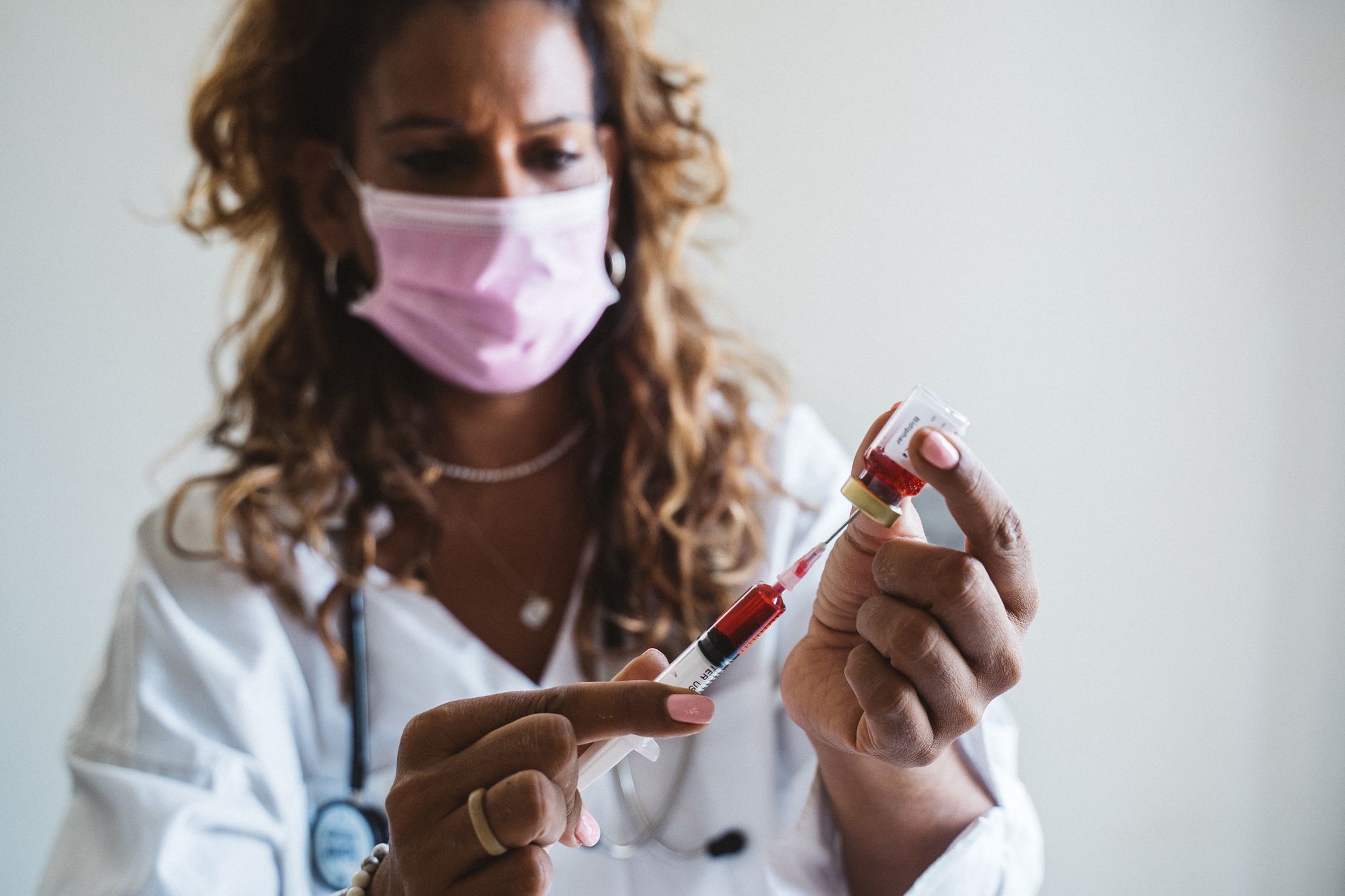
Immune Thrombocytopenia, commonly known as ITP, is an autoimmune condition where your body's immune system mistakenly attacks and destroys its own platelets. Platelets are vital blood components that help stop bleeding. When your platelet count is low, you might experience unusual bruising or bleeding. A common question among those diagnosed with ITP, especially those with the chronic form, is: 'Can ITP come back after treatment?' The answer is yes, it can, and understanding this possibility is key to managing the condition effectively.
ITP presents in different forms, primarily acute and chronic. Acute ITP is more common in children and often resolves on its own within a year, typically without returning. Chronic ITP, however, is more prevalent in adults and can persist for months or even years. This chronic form is the one that carries a higher risk of recurrence. It's characterized by periods of remission, where symptoms improve, followed by relapses where symptoms reappear.
What is Immune Thrombocytopenia (ITP)?
ITP is an autoimmune disorder. This means your immune system, which is designed to fight off infections and foreign invaders, starts to target healthy parts of your own body. In the case of ITP, it specifically targets platelets. Platelets, or thrombocytes, are tiny, irregular-shaped cell fragments circulating in your blood. Their primary role is to clump together at the site of an injury to form a plug, stopping bleeding. When platelet numbers drop significantly due to ITP, your body's ability to clot blood is impaired, leading to symptoms like easy bruising, prolonged bleeding from cuts, nosebleeds, and in severe cases, internal bleeding.
Understanding the Different Types of ITP
The likelihood of ITP returning often depends on the type you have:
- Acute ITP: This is the most frequent type, especially in children. It usually appears suddenly after a viral infection and lasts for less than six months. Most children with acute ITP recover fully, and the condition rarely returns.
- Chronic ITP: More common in adults, this form can last for a year or longer. It can be a lifelong condition with periods of remission and relapse. For adults, more than half may develop chronic ITP.
- Refractory ITP: This term is used when standard treatments, such as the removal of the spleen (splenectomy), do not effectively raise platelet counts or when the condition returns shortly after treatment.
Can ITP Come Back After Treatment?
Yes, ITP can recur, particularly the chronic form. Even after successful treatment, there's a possibility that the immune system may start attacking platelets again. This unpredictability is a hallmark of chronic ITP. Some individuals might experience long periods of remission, lasting for years, while others may face frequent relapses.
ITP Recurrence After Splenectomy
Splenectomy, the surgical removal of the spleen, is a common treatment for chronic ITP when medications aren't sufficient. The spleen plays a role in removing old platelets and producing antibodies that can destroy platelets. Removing it can, therefore, help increase platelet counts. However, splenectomy is not a guaranteed cure. About 10-15% of people don't see an increase in platelet levels after the surgery. Furthermore, even if platelet counts improve initially, between 30-35% of individuals who respond to splenectomy may eventually experience a relapse. This is because other organs, like the liver, also contribute to platelet removal, and the underlying autoimmune process might persist or find new ways to affect platelets.
ITP Recurrence After Medication
Medications like corticosteroids (e.g., Prednisone) and thrombopoietin receptor agonists (TPO-RAs) are primary treatments for ITP. Corticosteroids help suppress the immune system, reducing the destruction of platelets. TPO-RAs stimulate the bone marrow to produce more platelets. While these treatments can be highly effective in bringing platelet counts back to a safe level and controlling symptoms, they don't always eliminate the autoimmune cause. As a result, when medication is stopped or reduced, or sometimes even while on medication, the disease can flare up again.
Symptoms of ITP Recurrence
Recognizing the signs of a potential relapse is crucial for prompt medical attention. Symptoms of ITP recurrence are often similar to the initial symptoms you experienced. It's important to stay vigilant, especially if you have chronic ITP. Watch out for:
- Easy or excessive bruising: Bruises appearing without a clear injury, or bruising more easily than usual.
- Petechiae: Small, reddish-purple spots that look like a rash, often appearing on the lower legs. These are caused by bleeding under the skin.
- Prolonged bleeding: Cuts that take a long time to stop bleeding, or heavy menstrual bleeding in women.
- Frequent or severe nosebleeds: Nosebleeds that are difficult to stop.
- Bleeding gums: You might notice bleeding when brushing your teeth.
- More serious symptoms (seek immediate medical attention): Severe headache, blurred vision, or blood in urine or stool can indicate bleeding in critical areas and require urgent care.
A common scenario: Mrs. Sharma notices that her husband, Mr. Gupta, who was diagnosed with chronic ITP two years ago and had a good response to medication, has been developing larger bruises on his arms and legs. His gums also seem to bleed more when he brushes his teeth. While they know his ITP is chronic, they haven't seen these symptoms worsen for over a year, prompting them to contact his hematologist.
Diagnosing ITP Recurrence
If you experience symptoms suggestive of ITP recurrence, your doctor, usually a hematologist, will be the first point of contact. The diagnostic process typically involves:
- Medical History and Physical Examination: Your doctor will ask about your symptoms, their duration, and any recent illnesses or changes in medication. They will also perform a physical exam, looking for signs of bruising and petechiae.
- Blood Tests: The most important test is a complete blood count (CBC) to measure your platelet count. A low platelet count confirms thrombocytopenia. Your doctor may order additional blood tests to rule out other conditions that can cause low platelets, such as infections or other autoimmune diseases.
Managing ITP Recurrence
Treatment for ITP recurrence depends on the severity of your symptoms and your platelet count. The goal is to raise your platelet count to a safe level to prevent serious bleeding.
- Observation: If your platelet count is only mildly low and you have no significant bleeding symptoms, your doctor might recommend a 'watchful waiting' approach, monitoring your condition closely.
- Medications: If your platelet count is low or you have symptoms, your doctor may restart or adjust medications. This could include corticosteroids, intravenous immunoglobulin (IVIg), or TPO-RAs.
- Splenectomy: If medications are not effective or if you experience frequent relapses, your doctor might consider splenectomy again or explore other surgical options.
- Other Therapies: Newer treatments may also be considered, depending on your specific situation and response to previous therapies.
Preventing ITP Recurrence?
Currently, there is no definitive way to prevent ITP from recurring, as the exact cause of the autoimmune response is not fully understood. However, managing the condition effectively and staying informed can help you cope better:
- Adhere to Treatment Plans: Follow your doctor's instructions regarding medications and follow-up appointments diligently.
- Healthy Lifestyle: Maintaining a balanced diet and a generally healthy lifestyle can support overall well-being, though it doesn't directly prevent ITP recurrence.
- Avoid Injury: Take precautions to avoid injuries that could lead to significant bleeding, especially when your platelet count is low.
- Stay Informed: Understand your condition, its potential triggers (like certain infections or medications), and know the symptoms of recurrence.
When to Consult a Doctor
It's crucial to contact your hematologist immediately if you notice any of the recurrence symptoms mentioned earlier, especially:
- Sudden onset of easy or excessive bruising.
- Appearance of petechiae.
- Unexplained nosebleeds or bleeding gums that are difficult to stop.
- Signs of bleeding in the brain, such as a severe headache or vision changes.
- Blood in your stool or urine.
Prompt medical evaluation can help confirm a recurrence and initiate appropriate treatment to prevent complications.
Frequently Asked Questions (FAQ)
Can people with ITP live a normal life?
Yes, many people with ITP can live full and normal lives, especially with effective management. While chronic ITP requires ongoing monitoring and treatment, it doesn't necessarily prevent individuals from working, socializing, or enjoying their hobbies. The key is to maintain a platelet count within a safe range and manage symptoms effectively.
How long can you live with ITP?
The life expectancy for individuals with ITP is generally normal. It is rare for people to die directly from ITP. Most individuals diagnosed with ITP, particularly with modern treatments, can expect to live a long life. The focus is on managing the condition to prevent severe bleeding complications.
Is ITP considered a rare disease?
Yes, ITP is considered a rare disease. While it can affect people of all ages, it's more commonly diagnosed in children (acute form) and adults over 60 (chronic form). Rare diseases often present unique challenges in terms of diagnosis, treatment availability, and patient support.