You might have heard the term “dowager hump” used to describe a rounded upper back. While it’s a name that has lingered, it’s outdated and can be offensive, often unfairly stereotyping older women. The correct medical term for this condition is kyphosis. Kyphosis refers to an excessive outward curvature of the spine, leading to a hunched or rounded appearance in the upper back. This isn't just a cosmetic concern; it can affect your comfort, mobility, and even your breathing in more severe cases. It's important to understand that kyphosis can affect people of all ages and genders, not just older women. Let’s explore what kyphosis is, its various causes, how it’s diagnosed, and the effective treatment and prevention strategies available.
What Exactly Is Kyphosis?
Our spine naturally has curves. These curves are essential for us to stand upright, maintain balance, and absorb shock. However, kyphosis occurs when these natural curves become too pronounced, creating an abnormal forward rounding. The severity of kyphosis can range from mild to severe. Generally, the more significant the spinal curve, the more noticeable the symptoms and potential complications.
Common Symptoms of Kyphosis
The most visible sign of kyphosis is often a rounded upper back or a noticeable “hump.” However, other symptoms can arise, especially as the condition progresses:
- A visible hump or rounded appearance in the upper back.
- Shoulders that appear rounded or slumped forward.
- Back pain or stiffness, particularly in the upper back.
- Tenderness in the spine.
- Fatigue.
When Kyphosis Becomes Severe
In more advanced cases, kyphosis can lead to serious complications due to the pressure on internal organs:
- Difficulty with everyday physical activities like walking, standing up from a chair, or looking upwards.
- Numbness or tingling sensations in the legs, indicating nerve compression.
- Shortness of breath or difficulty breathing.
- Digestive problems, such as difficulty swallowing or experiencing acid reflux.
- Loss of bladder or bowel control in very rare, extreme situations.
Exploring the Causes of Kyphosis
Kyphosis can develop for a number of reasons, impacting people across different age groups. Understanding these causes helps in identifying risks and potential interventions.
Postural Kyphosis: The Modern Culprit
This is one of the most common types and often linked to lifestyle habits. Poor posture, such as prolonged slouching while using computers, smartphones, or watching television, can contribute to this condition. Even carrying heavy backpacks, especially for children and adolescents, can put undue stress on the spine. The good news is that postural kyphosis is often reversible with conscious effort to improve posture and strengthen back muscles.
Real-life scenario: Priya, a young professional, spends 10 hours a day at her desk, often hunched over her laptop. She’s started noticing a stiffness in her upper back and her shoulders feel permanently rounded. Her doctor explained that her prolonged slouching, coupled with hours spent scrolling on her phone, is likely causing her postural kyphosis.
Degenerative Conditions of Aging
As we age, our spine undergoes natural changes. Conditions like osteoporosis (weakening of bones) and degenerative disk disease (wear and tear on the spinal discs) can weaken the vertebrae and contribute to spinal curvature. Muscle weakness, particularly in the spinal extensors, is also correlated with increased kyphosis in older adults. Reduced mobility and changes in sensory perception (like vision and balance) can further impact posture.
Spinal Injuries and Fractures
Traumatic events, such as accidents or falls, can lead to spinal fractures. These fractures can damage the vertebrae and alter the spine’s natural alignment, resulting in kyphosis.
Congenital Kyphosis
In some cases, kyphosis is present from birth. This occurs when the bones of the spine do not develop correctly before a baby is born. This condition requires early medical attention and management.
Scheuermann’s Kyphosis
This type typically affects adolescents during growth spurts. It’s characterized by abnormal wedge-shaped vertebrae instead of the usual rectangular shape. This malformation causes an increased curvature in the thoracic spine.
Other Contributing Factors
- Cancer: Spinal tumors can weaken vertebrae, potentially leading to kyphosis.
- Infections: Certain infections affecting the spine can also cause damage and curvature.
Diagnosing Kyphosis
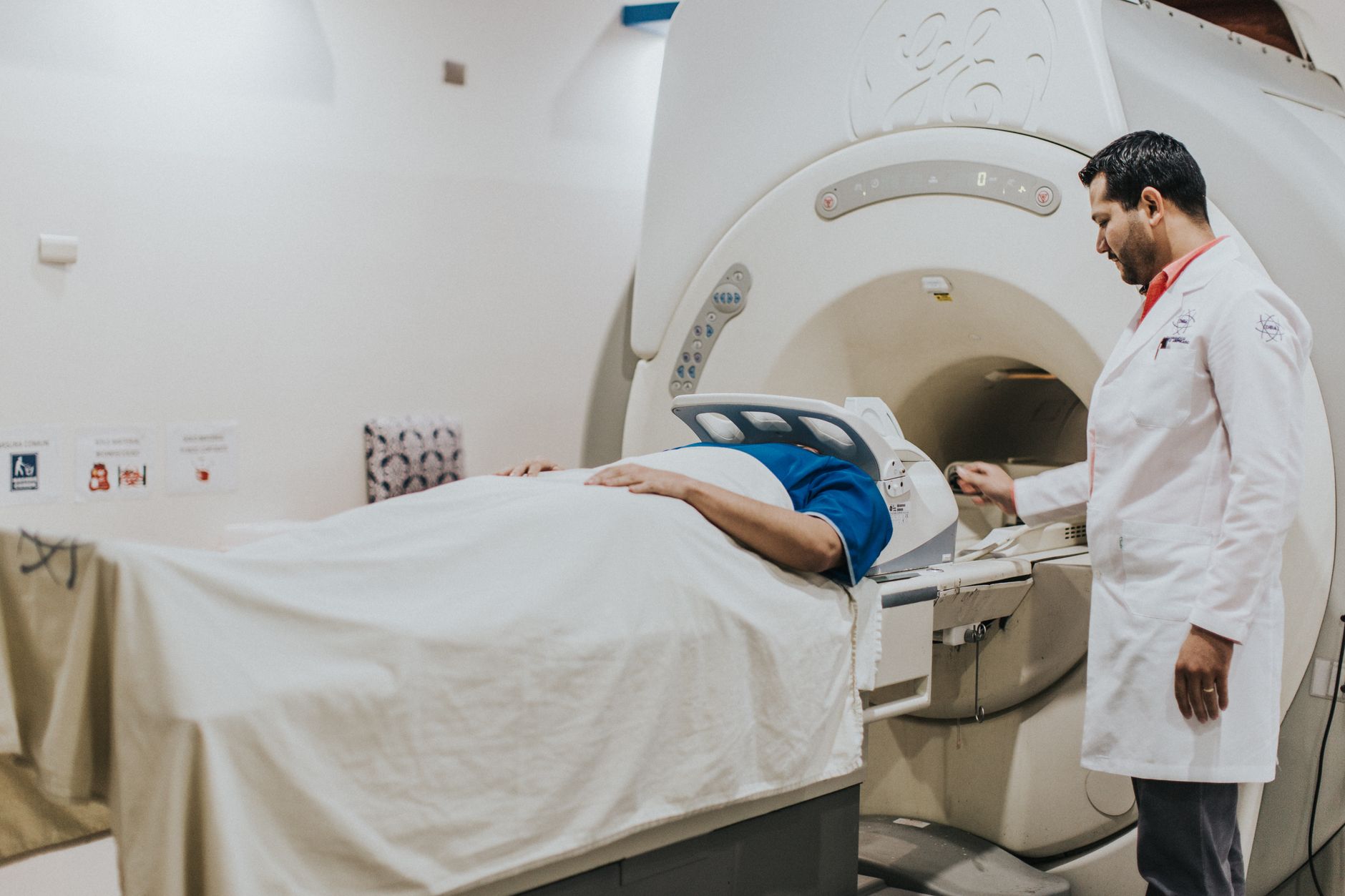
If you suspect you have kyphosis, a doctor will start by discussing your symptoms and medical history. A physical examination is crucial to assess your posture and spinal curvature. To confirm the diagnosis and determine the extent of the curvature, imaging tests are usually recommended:
- X-rays: These are the primary tool for visualizing the spine's structure and measuring the degree of curvature.
- CT scans or MRI scans: These may be used to get more detailed images of the spine, assess bone health, and check for nerve compression or other underlying issues.
Treatment Options for Kyphosis
Treatment for kyphosis depends on the underlying cause, the severity of the curvature, and the presence of symptoms. The goal is to manage pain, improve posture, prevent progression, and address any complications.
Non-Surgical Treatments
- Physical Therapy and Exercise: This is often the cornerstone of treatment, especially for postural kyphosis. Exercises focus on strengthening the back and abdominal muscles, improving flexibility, and correcting posture. A physical therapist can create a personalized exercise program.
- Posture Correction: Consciously working on maintaining good posture throughout the day is vital. This involves sitting and standing tall, engaging core muscles, and avoiding prolonged slouching.
- Medications: Pain relievers (like NSAIDs) can help manage back pain. If osteoporosis is a contributing factor, medications to improve bone density will be prescribed.
- Bracing: In some cases, particularly for adolescents with Scheuermann’s kyphosis, a back brace might be recommended to help correct the curvature as the spine grows.
Surgical Intervention
Surgery is typically considered only for severe cases of kyphosis that cause significant pain, neurological problems, or interfere with essential bodily functions. Surgical procedures aim to correct the spinal curvature and stabilize the spine.
Preventing Kyphosis: Proactive Steps
While not all types of kyphosis are preventable (e.g., congenital), many cases, especially those related to posture, can be avoided or managed effectively:
- Maintain Good Posture: Be mindful of your posture, whether sitting, standing, or walking. Ensure your workstation is ergonomically set up.
- Regular Exercise: Engage in activities that strengthen your core and back muscles. Swimming, yoga, and Pilates are excellent options.
- Bone Health: Ensure adequate intake of calcium and Vitamin D to maintain strong bones, especially as you age.
- Avoid Smoking: Smoking is linked to an increased risk of osteoporosis.
- Balanced Diet: A nutritious diet supports overall health, including bone and muscle strength.
- Manage Screen Time: Take regular breaks when using electronic devices. Hold phones at eye level to avoid neck strain.
When to Consult a Doctor
It’s advisable to see a doctor if you notice:
- A noticeable rounding or hump in your upper back.
- Persistent back pain or stiffness.
- Changes in your posture that concern you.
- Any of the severe symptoms mentioned earlier, such as breathing difficulties or numbness.
Early diagnosis and intervention can significantly improve outcomes and prevent the condition from worsening.
Frequently Asked Questions (FAQ)
Can kyphosis be completely cured?
For postural kyphosis, significant improvement and even correction are possible with dedicated posture correction and exercises. Other types, like Scheuermann’s or congenital kyphosis, may be managed rather than fully cured, with the goal of preventing progression and alleviating symptoms.
Is kyphosis painful?
Kyphosis can cause mild to severe back pain and stiffness, especially in more pronounced curves. However, not everyone with kyphosis experiences pain.
Is the term “dowager hump” acceptable?
No, the term “dowager hump” is considered outdated, offensive, and medically inaccurate. It perpetuates negative stereotypes. The appropriate medical term is kyphosis.