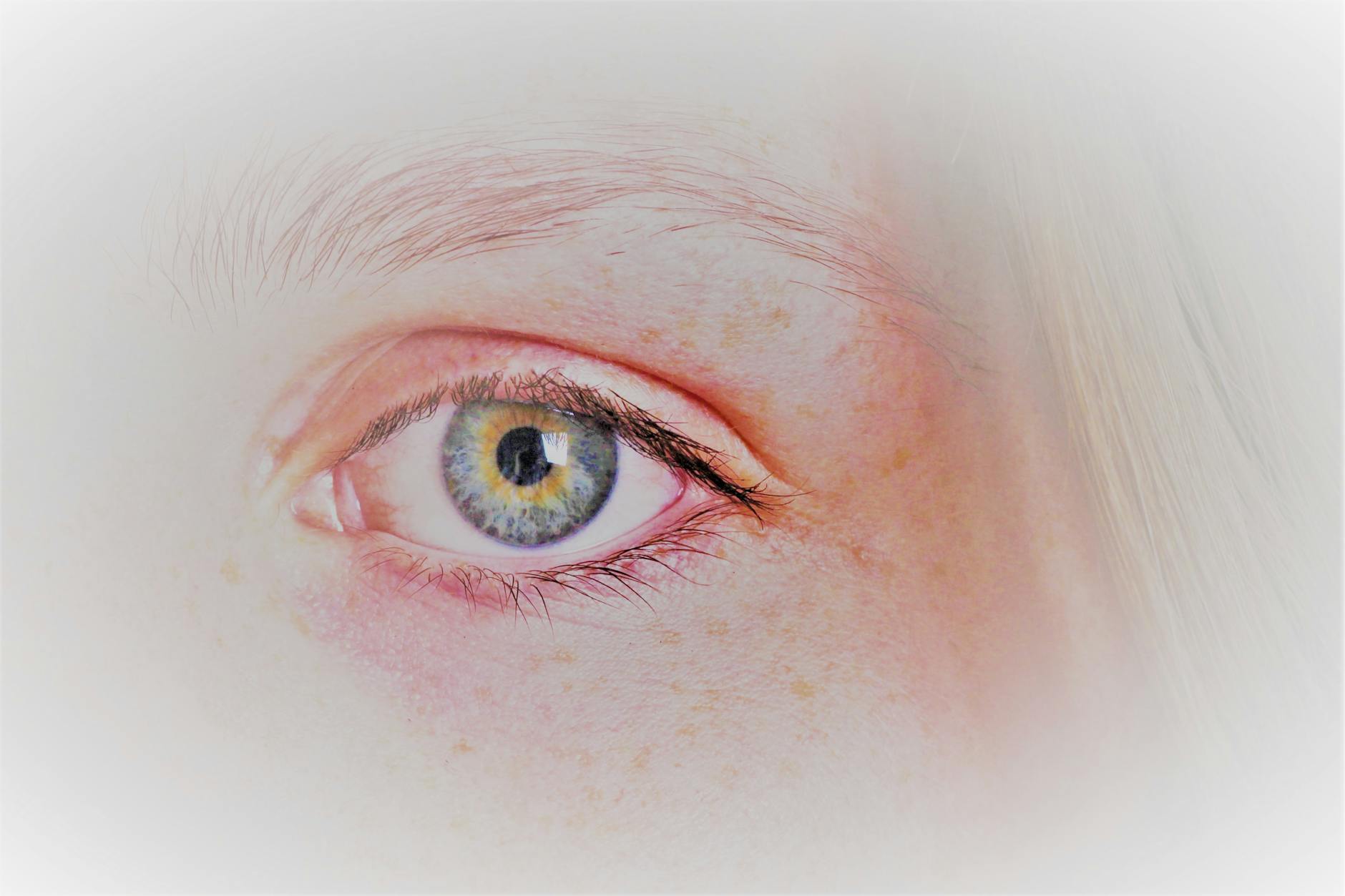
What is Macular Edema?
The macula is a crucial part of your retina, the light-sensitive tissue at the back of your eye. It's responsible for your sharp, central vision, which you use for reading, driving, and recognizing faces. Macular edema occurs when this vital macula area swells due to fluid buildup. This swelling can significantly impact your vision, leading to blurriness and, in severe cases, permanent vision loss if left untreated. Understanding the causes, recognizing the symptoms, and seeking timely medical intervention are key to managing this condition and preserving your sight.
Common Causes of Macular Edema
Macular edema can stem from various underlying conditions, some mild and temporary, while others are more serious and require prompt medical attention. Here are some of the most common culprits:
Diabetic Retinopathy
This is a leading cause of macular edema, particularly among individuals with diabetes. High blood sugar levels over time can damage the delicate blood vessels in the retina. This damage can cause these vessels to leak fluid and blood into the macula, leading to swelling. Symptoms of diabetic retinopathy can include blurry vision that fluctuates, spots or floaters in your vision, and dark spots in your visual field.
Age-Related Macular Degeneration (AMD)
AMD is a common condition affecting older adults, characterized by the breakdown of the macula over time. In some forms of AMD, abnormal blood vessels can grow under the macula and leak fluid, causing swelling. Factors like smoking, being overweight, and heart disease can increase the risk of developing AMD. Symptoms include loss of central vision, haziness, difficulty seeing in dim light, and trouble recognizing faces.
Retinal Vein Occlusion (RVO)
RVO occurs when the veins in the retina that are responsible for draining blood and fluid become blocked. This blockage prevents proper circulation, leading to a buildup of pressure and fluid that can cause macular edema. RVO can be associated with aging, diabetes, and glaucoma. Symptoms often include sudden blurry vision and vision loss.
Inflammation and Eye Surgery
Inflammation within the eye, whether due to an underlying condition or following eye surgery (such as cataract or glaucoma surgery), can also trigger macular edema. Damage to eye tissues during or after surgery can lead to swelling in the macula.
Other Causes
Less common causes include certain genetic conditions like Retinitis Pigmentosa (RP), which can damage the retina and increase the risk of macular edema. Certain medications or infections can also play a role.
Symptoms of Macular Edema
The most prominent symptom of macular edema is blurry or wavy vision that tends to worsen over time. This blurriness might not always significantly interfere with daily activities, but it can make tasks requiring fine detail, such as reading or driving, challenging. Other symptoms may include:
- Distorted vision, where straight lines appear bent or wavy.
- A decrease in the intensity or brightness of colors.
- A feeling of pressure in the eye.
- In some cases, changes in how you perceive the size of objects.
- Floaters or spots in your vision.
It's important to note that symptoms can affect one or both eyes.
Diagnosis of Macular Edema
Diagnosing macular edema typically involves a comprehensive eye examination by an ophthalmologist. This may include:
- Visual Acuity Test: To measure how well you can see at various distances.
- Slit-Lamp Examination: Using a special microscope to examine the structures of your eye, including the retina.
- Ophthalmoscopy: To view the back of your eye and check for swelling or abnormalities.
- Optical Coherence Tomography (OCT): This advanced imaging technique uses light waves to create detailed cross-sectional images of the retina, allowing doctors to precisely measure the thickness of the macula and detect fluid buildup.
- Fluorescein Angiography: A dye is injected into your arm, and then photographs are taken as it travels through the blood vessels in your retina. This helps identify leaking blood vessels.
Treatment Options for Macular Edema
The treatment for macular edema depends heavily on the underlying cause and the severity of the condition. The goal is to reduce swelling and prevent further vision loss. Common treatment approaches include:
Medications
- Eye Drops: Anti-inflammatory eye drops (corticosteroids) can help reduce swelling.
- Injections: Medications called anti-VEGF (vascular endothelial growth factor) agents are often injected directly into the eye. These drugs help block the growth of abnormal blood vessels and reduce leakage. Corticosteroid injections may also be used.
Laser Treatment
In some cases, laser photocoagulation may be used. A laser is used to seal leaking blood vessels in the retina, helping to reduce fluid buildup. This is often more effective for edema caused by conditions like RVO.
Surgery
Surgery is typically reserved for more complex cases or when other treatments haven't been effective. Procedures like vitrectomy might be performed to remove scar tissue or abnormal blood vessels from the eye.
Managing Underlying Conditions
Crucially, managing the underlying condition causing the macular edema is vital. For instance, strict control of blood sugar levels is essential for individuals with diabetes, and managing blood pressure is important for those with RVO or AMD.
Prevention Strategies
While not all cases of macular edema can be prevented, certain lifestyle choices can significantly reduce your risk, especially if you have conditions like diabetes or a family history of eye diseases:
- Maintain a Healthy Diet: Focus on a balanced diet rich in fruits, vegetables, and whole grains. Limit processed foods, excessive sugar, and unhealthy fats.
- Regular Exercise: Aim for at least 30 minutes of moderate-intensity exercise most days of the week. This helps manage weight, blood sugar, and blood pressure.
- Control Chronic Conditions: If you have diabetes, high blood pressure, or high cholesterol, work closely with your doctor to keep these conditions well-managed.
- Avoid Smoking: Smoking is a significant risk factor for many eye diseases, including AMD. Quitting smoking can greatly improve your eye health.
- Regular Eye Check-ups: Visit your ophthalmologist regularly for comprehensive eye exams, especially if you are over 40 or have risk factors for eye disease. Early detection is key.
When to Consult a Doctor
It is essential to seek immediate medical attention from an eye specialist (ophthalmologist) if you experience any of the following:
- Sudden or worsening blurry vision.
- Distorted vision, where straight lines appear wavy.
- A noticeable decrease in your ability to see colors clearly.
- The appearance of new floaters or spots in your vision.
- Any significant changes in your vision, especially if they occur rapidly.
Prompt diagnosis and treatment can significantly improve the outcome and help preserve your vision. Don't ignore changes in your eyesight; consult a doctor without delay.