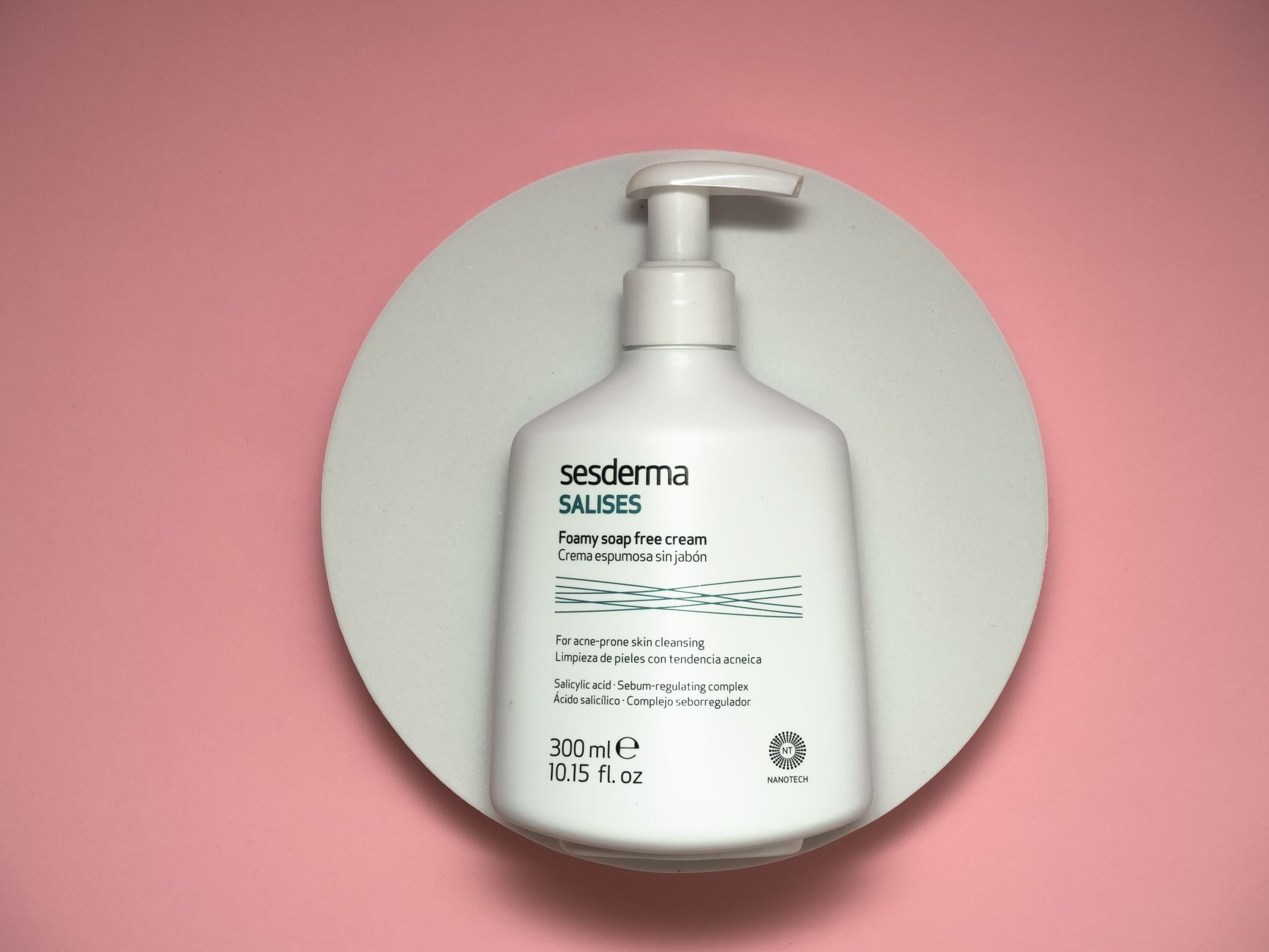
Acne is a common skin condition that affects millions of people, especially during adolescence. While it can range from mild to severe, understanding mild acne is the first step towards clear and healthy skin. Many Indians experience breakouts, and knowing the triggers and effective treatments can make a significant difference. This guide will walk you through what mild acne is, why it happens, how to manage it at home, and when it's time to consult a healthcare professional.
Mild acne is typically characterized by occasional, small breakouts. These might appear as a few whiteheads or blackheads on your face, neck, shoulders, or upper back. Unlike more severe forms, mild acne usually doesn't involve widespread redness, inflammation, or painful cysts. It also rarely leads to scarring, which is a common concern with more persistent breakouts.
If you're a teenager or a young adult, you might notice breakouts around your menstrual cycle. This is due to hormonal fluctuations, a very common cause of acne. Even adults can experience mild acne, and it can affect any skin type. The good news is that mild acne is often manageable with over-the-counter (OTC) products and simple lifestyle adjustments.
What Exactly is Mild Acne?
Mild acne is generally defined as having minor, infrequent breakouts. You might see a few whiteheads (closed pores clogged with oil and dead skin cells) or blackheads (open pores clogged with oil and dead skin cells, which appear dark due to oxidation). These are usually confined to specific areas like the forehead, nose, chin, or occasionally the chest and back. The key difference between mild and more severe acne lies in the number and type of lesions, as well as the absence of significant inflammation or the risk of scarring.
Common Triggers and Causes of Mild Acne
The exact reasons for acne are complex and can be influenced by several factors. For mild acne, these often include:
- Hormonal Changes: This is a major player, especially during puberty, menstruation, pregnancy, or due to conditions like Polycystic Ovary Syndrome (PCOS). Fluctuations in hormones, particularly androgens, can increase oil production in your skin.
- Genetics: If your parents had acne, you might be more predisposed to it.
- Stress: Emotional stress, whether from exams, work, or personal life, can trigger or worsen acne. Stress affects hormone levels, which in turn can increase sebum (skin oil) production. A common scenario is seeing a new pimple pop up right before an important event due to exam stress.
- Diet: While the link is debated, some studies suggest that high-glycemic foods (like white bread, sugary snacks) and dairy products, particularly skim milk, might exacerbate acne in some individuals.
- Certain Products: Using oily or pore-clogging cosmetics, skincare products, or even hair styling products that get onto your face can contribute to clogged pores.
- Friction or Pressure: Tight clothing, helmets, or even constantly touching your face can irritate the skin and worsen breakouts.
Symptoms of Mild Acne
Recognizing mild acne is straightforward. You'll typically notice:
- Whiteheads: Small, flesh-colored or white bumps caused by clogged pores.
- Blackheads: Small, dark or black spots caused by open, clogged pores. The dark color is due to oxidation, not dirt.
- Occasional Pimples: A few red, slightly inflamed bumps that are not usually painful or deep.
These usually appear on the face, neck, chest, back, or shoulders. You generally won't see large, painful cysts or nodules, and significant redness or swelling is uncommon.
Diagnosing Mild Acne
Most people can identify mild acne themselves. However, if you're unsure or if your breakouts are becoming more frequent or bothersome, a doctor, especially a dermatologist, can provide a diagnosis. They will examine your skin and ask about:
- The history of your breakouts: when they started, how often they occur.
- Your medical history: any medications you're taking, underlying health conditions.
- Your lifestyle: diet, stress levels, skincare routine.
In some cases, especially if hormonal imbalances are suspected, your doctor might recommend blood tests to check hormone levels.
Effective Treatments for Mild Acne
The good news is that mild acne often responds well to home care and readily available treatments. Here’s what you can try:
At-Home Treatments:
- Over-the-Counter (OTC) Topical Treatments: Look for products containing benzoyl peroxide or salicylic acid. Benzoyl peroxide kills acne-causing bacteria and helps unclog pores. Salicylic acid exfoliates the skin and helps to clear pores. Products like cleansers, spot treatments, and lotions are available.
- Retinoids: Non-prescription retinoids, such as adapalene (found in Differin gel), are very effective. They work by preventing clogged pores and reducing inflammation. Start using them a few times a week to build tolerance, as they can initially cause dryness or irritation.
- Gentle Skincare Routine:
- Wash your face twice a day and after sweating with a mild cleanser. Avoid harsh scrubbing, which can irritate the skin and worsen acne.
- Use a non-comedogenic (won't clog pores) moisturizer, even if you have oily skin.
- Avoid picking or squeezing pimples, as this can lead to infection and scarring.
Dietary Adjustments:
While not a cure-all, paying attention to your diet might help:
- Reduce your intake of high-glycemic foods.
- Consider reducing dairy consumption if you suspect it triggers your breakouts.
- Stay hydrated by drinking plenty of water.
Stress Management:
Incorporate stress-reducing activities into your routine:
- Meditation, deep breathing exercises, or yoga.
- Regular physical activity.
- Ensuring adequate sleep.
Lifestyle Changes:
Keep your hair clean and off your face. Avoid touching your face unnecessarily. Ensure your phone screen and pillowcases are clean.
When to Consult a Doctor or Dermatologist
While home treatments can be effective, it’s important to seek professional advice if:
- Your acne doesn't improve after 6-8 weeks of consistent OTC treatment.
- Your acne starts to worsen, becoming more inflamed or widespread.
- You develop deeper, painful lesions like cysts or nodules.
- You are concerned about scarring.
- Your acne is causing significant emotional distress or affecting your self-esteem.
A dermatologist can offer prescription-strength topical treatments, oral medications (like antibiotics or hormonal therapies), or other advanced treatments tailored to your specific needs.
Preventing Mild Acne Breakouts
Consistent skincare and healthy habits are key to preventing mild acne:
- Maintain a regular cleansing routine.
- Use non-comedogenic products for skincare and makeup.
- Manage stress effectively.
- Eat a balanced diet.
- Get enough sleep.
- Avoid habits that can irritate your skin, like picking at blemishes or using harsh scrubs.
Frequently Asked Questions (FAQ)
Q1: Can mild acne disappear on its own?
Mild acne can sometimes improve on its own, especially if it's related to temporary hormonal changes like puberty. However, it often persists and can worsen if not managed. Proactive treatment is usually recommended.
Q2: Is it safe to use benzoyl peroxide every day?
For most people, benzoyl peroxide can be used daily as directed on the product label. However, it can cause dryness, redness, and peeling. Start with a lower concentration or use it every other day if you have sensitive skin, and always follow up with a moisturizer.
Q3: Does stress really cause acne?
Yes, stress can significantly impact your skin. When you're stressed, your body releases hormones like cortisol, which can increase oil production and inflammation, potentially leading to breakouts.
Q4: How long does it take for OTC acne treatments to work?
OTC treatments typically take about 4 to 8 weeks of consistent use to show noticeable improvement. It's important to be patient and stick with your routine.