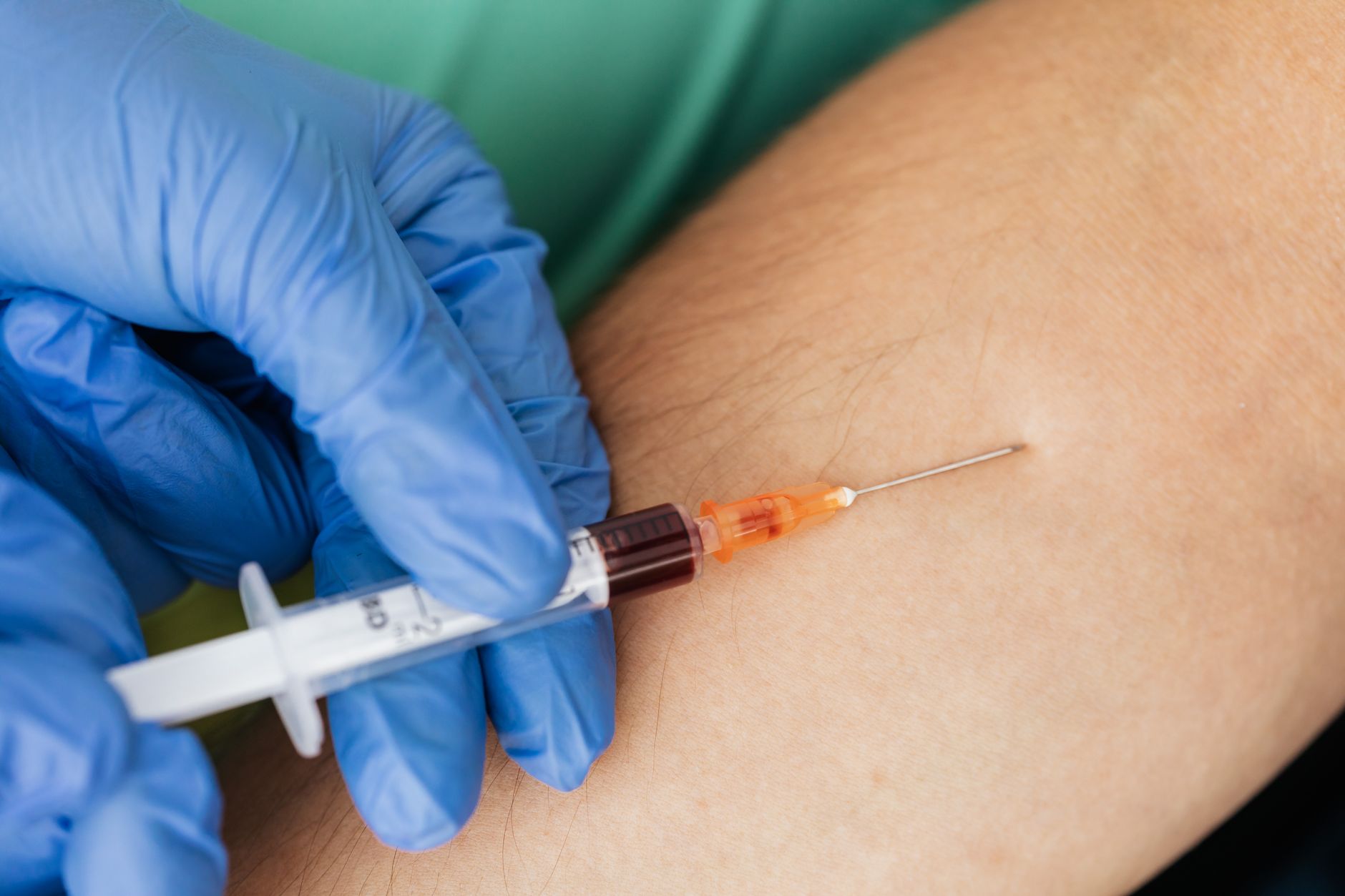
What is Mild Thrombocytopenia? Platelets, also known as thrombocytes, are vital components of our blood. They are tiny, irregular-shaped cell fragments that play a crucial role in hemostasis, the process by which bleeding is stopped. When an injury occurs, platelets rush to the site, clump together, and form a plug, initiating the formation of a blood clot. A normal platelet count in healthy adults typically ranges from 150,000 to 450,000 platelets per microliter of blood. Thrombocytopenia is a medical term used to describe a condition where an individual has a lower-than-normal number of platelets in their blood, meaning less than 150,000 platelets per microliter. Mild thrombocytopenia is specifically defined as having a platelet count between 100,000 and 150,000 platelets per microliter of blood. In many cases, individuals with mild thrombocytopenia may not experience any significant health issues or complications. The condition often resolves on its own without the need for specific medical intervention. However, it is essential to understand the potential causes, symptoms, and when to seek medical advice, even for mild cases. Symptoms of Mild Thrombocytopenia One of the key characteristics of mild thrombocytopenia is that many individuals do not exhibit any noticeable symptoms. Their low platelet count is often discovered incidentally during routine blood tests. However, when symptoms do manifest, they can include: Petechiae: These are small, pinpoint-sized spots that typically appear reddish-purple. They are essentially tiny bruises caused by bleeding under the skin and are most commonly found on the lower legs. Easy or excessive bruising: Individuals may notice that they bruise more readily than usual, even from minor bumps or impacts. Prolonged bleeding from cuts: Even small cuts may bleed for a longer duration than expected. Heavier than usual menstrual periods: Women with mild thrombocytopenia might experience unusually heavy or prolonged menstrual bleeding. Nosebleeds or bleeding gums: Spontaneous nosebleeds or bleeding from the gums, especially during brushing, can also be a sign. It is important to note that these symptoms can also be indicative of other medical conditions, so a proper diagnosis by a healthcare professional is crucial. Causes of Mild Thrombocytopenia The causes of mild thrombocytopenia are diverse and can be broadly categorized: 1. Decreased Platelet Production: The bone marrow is responsible for producing platelets. If the bone marrow is not producing enough platelets, it can lead to thrombocytopenia. This can be due to: Certain viral infections (e.g., hepatitis C, HIV). Chemotherapy or radiation therapy for cancer. Exposure to certain toxins or chemicals (e.g., arsenic). Nutritional deficiencies (e.g., vitamin B12 or folate deficiency). Certain genetic conditions. 2. Increased Platelet Destruction: In some cases, the body's immune system may mistakenly attack and destroy its own platelets. This is known as immune thrombocytopenia (ITP). Other causes of increased platelet destruction include: Autoimmune diseases like lupus or rheumatoid arthritis. Certain infections. Reactions to medications, including some antibiotics and blood thinners. 3. Platelets Trapped in the Spleen: The spleen is an organ that filters blood. In certain conditions, the spleen can become enlarged (splenomegaly), causing it to trap a larger-than-normal number of platelets, thus reducing the number circulating in the bloodstream. This can occur due to: Liver disease (cirrhosis). Certain infections. Blood cancers like leukemia or lymphoma. 4. Other Factors: Heavy alcohol consumption: Excessive alcohol intake can suppress bone marrow function and affect platelet production. Pregnancy: Gestational thrombocytopenia is a mild form that can occur during pregnancy and usually resolves after delivery. Medications: As mentioned, certain drugs can interfere with platelet production or increase their destruction. Diagnosis of Mild Thrombocytopenia Diagnosing mild thrombocytopenia typically involves a combination of medical history, physical examination, and laboratory tests: Complete Blood Count (CBC): This is the primary test used to determine the platelet count. It also provides information about other blood cells like red blood cells and white blood cells. Peripheral Blood Smear: A microscopic examination of the blood can help assess the size and appearance of platelets and rule out other blood disorders. Medical History and Physical Examination: The doctor will inquire about symptoms, medications, alcohol consumption, family history of bleeding disorders, and perform a physical exam to check for signs of bruising or bleeding. Further Tests: Depending on the suspected cause, additional tests may be ordered, such as tests for viral infections (hepatitis C, HIV), autoimmune markers (lupus, rheumatoid arthritis), liver function tests, or a bone marrow biopsy to evaluate platelet production. Treatment for Mild Thrombocytopenia The treatment approach for mild thrombocytopenia depends heavily on the underlying cause, the severity of the platelet reduction, and the presence of symptoms. In many instances, especially when the platelet count is only slightly reduced and there are no symptoms, no specific treatment may be necessary. The condition might resolve on its own. When Treatment is Necessary: Addressing the Underlying Cause: If a specific condition is causing the low platelet count, treating that condition is the priority. For example, if hepatitis C is the cause, antiviral treatment can help normalize platelet levels. If a medication is responsible, the doctor may stop the medication or switch to an alternative. Medications: In cases of immune thrombocytopenia (ITP), where the immune system attacks platelets, medications like corticosteroids (e.g., prednisone) may be prescribed to suppress the immune response. Other immunosuppressants might be used if corticosteroids are not effective. Platelet Transfusions: These are rarely needed for mild thrombocytopenia but may be considered in cases of severe bleeding or very low platelet counts to temporarily boost the platelet level. Lifestyle Modifications:
In summary, timely diagnosis, evidence-based treatment, and prevention-focused care improve long-term health outcomes.