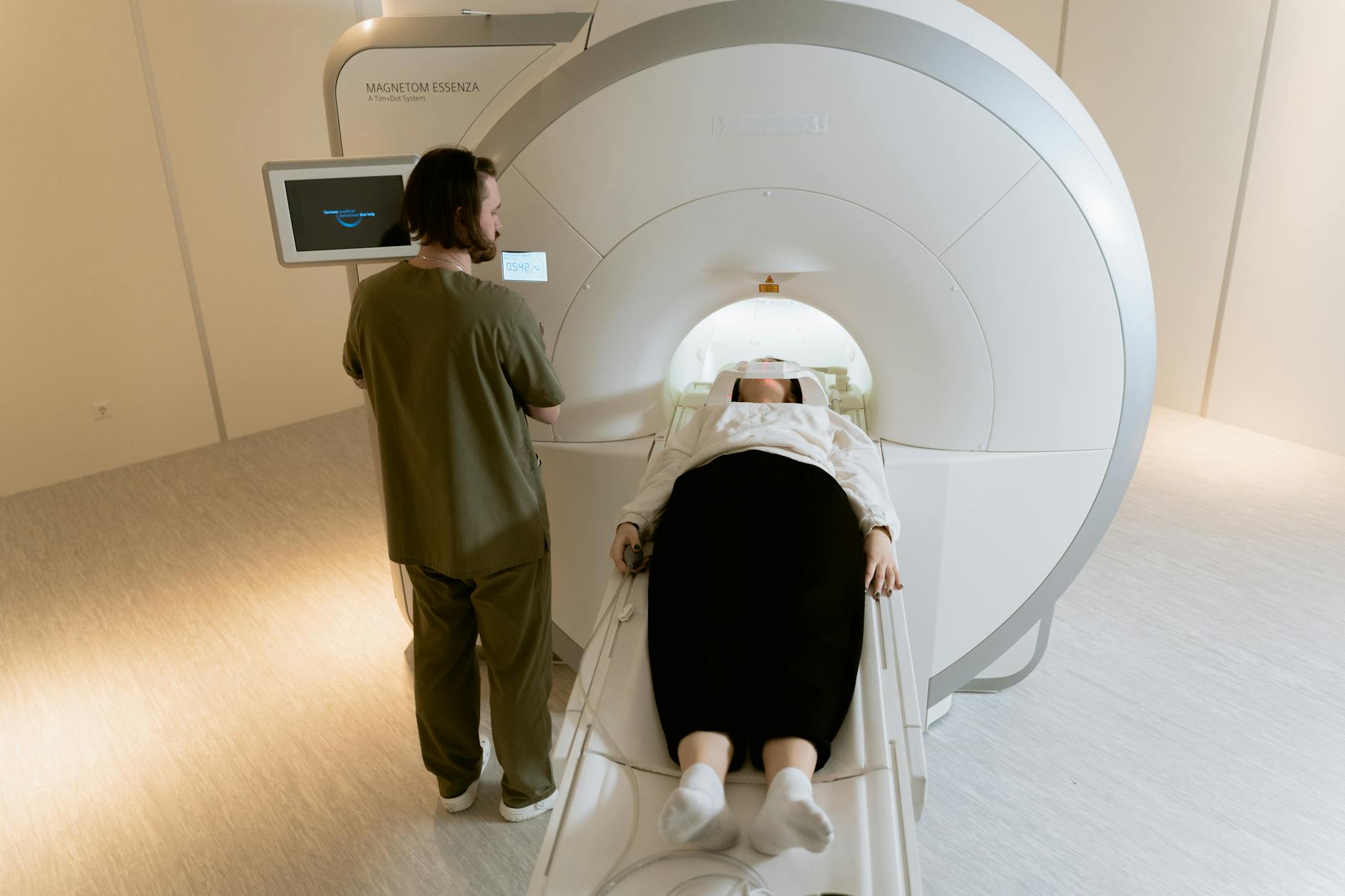
What is Parkinson's Disease? Parkinson's disease (PD) is a progressive neurodegenerative disorder that primarily affects the motor system. It is characterized by the gradual loss of dopamine-producing neurons in a specific area of the brain called the substantia nigra. Dopamine is a crucial neurotransmitter that plays a vital role in regulating movement, mood, and other functions. As dopamine levels decrease, individuals with Parkinson's experience a range of motor symptoms, including tremors, rigidity, slowness of movement, and postural instability. While PD is most commonly associated with older adults, it can affect people of all ages, though it is rare in children and young adults. In India, like in many other parts of the world, Parkinson's disease is a significant health concern, particularly among the aging population. The exact prevalence in India is still being studied, but global estimates suggest that a substantial number of people are affected. Understanding the disease's commonality, its potential causes, and effective management strategies is crucial for patients, caregivers, and healthcare professionals across the country. How Common is Parkinson's Disease? Parkinson's disease is considered a relatively common neurodegenerative condition, especially as people age. While precise figures for India are still being gathered, global statistics provide a good indication of its prevalence. Global Prevalence: Globally, it is estimated that about 1% of people over the age of 60 have Parkinson's disease. Some recent studies suggest that the actual prevalence might be even higher than previously thought, potentially up to 50% more common than earlier estimates. United States Statistics: In the United States, nearly 90,000 new cases are diagnosed annually, and approximately 1 million people are currently living with the condition. Age as a Factor: The risk of developing Parkinson's disease significantly increases with age. Only about 4% of individuals diagnosed with PD receive their diagnosis before the age of 50. Gender Differences: Men are more likely to develop Parkinson's disease than women, with men being about 1.5 times more susceptible. Geographical Variations: Some research indicates that Parkinson's disease might be more prevalent in certain regions, possibly due to environmental factors. For instance, certain areas in the United States, like the Rust Belt, have shown higher rates. Further research is needed to understand if similar regional patterns exist in India. It's important to note that Parkinson's disease is the second most common age-related degenerative brain disease, following Alzheimer's disease. It is also the most common movement-related brain disorder. What Causes Parkinson's Disease? The exact cause of Parkinson's disease remains unknown in the majority of cases, a condition referred to as "idiopathic" Parkinson's disease. However, researchers have identified several contributing factors and potential mechanisms: Loss of Dopamine Neurons: The hallmark of Parkinson's disease is the progressive degeneration and death of dopamine-producing neurons in the substantia nigra. This leads to a deficiency in dopamine, which is essential for smooth, coordinated muscle movement. Alpha-Synuclein Protein: Experts believe that problems with the folding and aggregation of a protein called alpha-synuclein may play a role. These misfolded proteins can clump together to form structures called Lewy bodies within brain cells. While Lewy bodies are found in the brains of people with idiopathic Parkinson's, the precise reason for their formation and their exact contribution to cell death are still under investigation. Genetic Factors: In about 10% to 15% of cases, Parkinson's disease has a genetic component and can be inherited. Certain gene mutations have been identified that increase the risk of developing PD. However, for most people, genetics alone do not explain the cause. Environmental Factors: Exposure to certain environmental toxins, such as herbicides and pesticides, has been linked to an increased risk of developing Parkinson's disease. However, the specific toxins and the exact mechanisms of exposure are still being researched. Age: As mentioned earlier, age is the most significant risk factor. The aging process itself may make brain cells more vulnerable to damage and dysfunction. It's crucial to understand that having a risk factor does not guarantee that a person will develop Parkinson's disease. Many factors likely interact to contribute to the development of the condition. Symptoms of Parkinson's Disease The symptoms of Parkinson's disease typically develop gradually and worsen over time. They can vary from person to person, but the most common motor symptoms include: Tremor: Often starting in one limb, typically the hand, a resting tremor (shaking that occurs when the limb is at rest) is a hallmark symptom. It may resemble a "pill-rolling" motion. Bradykinesia (Slowness of Movement): Movements become slower and more difficult to initiate. This can affect everyday tasks like walking, buttoning clothes, or eating. Rigidity (Stiffness): Muscles become stiff and resistant to movement, which can cause pain and limit range of motion. Postural Instability: Impaired balance and coordination can lead to falls. Other non-motor symptoms can also occur and may even precede motor symptoms by years. These can include: Loss of sense of smell (anosmia) Sleep disorders (e.g., REM sleep behavior disorder) Constipation Depression and anxiety Fatigue Changes in handwriting (micrographia) Soft or slurred speech Diagnosis of Parkinson's Disease There is no single definitive test to diagnose Parkinson's disease. Diagnosis is primarily based on a combination of factors: Medical History and Neurological Examination: A doctor will ask about your symptoms, medical history, and family history. They will then perform a thorough neurological examination to assess your motor skills, balance, gait, and reflexes. Response to Medication: Sometimes, a doctor may prescribe a medication that increases dopamine levels (like levodopa). If your symptoms significantly improve with this medication, it strongly supports a diagnosis of Parkinson's disease. Imaging Tests: While not used to diagnose PD itself, imaging tests like MRI or CT scans may be used to rule out other conditions that could be causing similar symptoms, such as stroke or brain tumors. A DaTscan (dopamine transporter scan) can help differentiate Parkinson's from other conditions by visualizing dopamine transporters in the brain. Treatment and Management Currently, there is no cure for Parkinson's disease, but various treatments can help manage symptoms and improve quality of life. Treatment plans are individualized based on the patient's symptoms, age, and overall health. Medications: Levodopa: This is the most effective drug for controlling the motor symptoms of Parkinson's. It is converted to dopamine in the brain. Dopamine Agonists: These drugs mimic the effects of dopamine in the brain. MAO-B Inhibitors and COMT Inhibitors: These medications help prevent the breakdown of dopamine or levodopa, respectively, extending their effects. Amantadine: This drug can help with tremors and involuntary movements. Therapies: Physical Therapy: Helps improve balance, flexibility, and mobility. Occupational Therapy: Assists with adapting daily tasks and maintaining independence. Speech Therapy: Addresses difficulties with speech and swallowing. Deep Brain Stimulation (DBS): For some individuals with advanced Parkinson's whose symptoms are not adequately controlled by medication, DBS may be an option. It involves surgically implanting electrodes in specific areas of the brain to regulate abnormal brain activity. Lifestyle Modifications: Diet: A balanced diet rich in fiber and fluids can help manage constipation. Some people find that protein intake can interfere with levodopa absorption, so timing of meals may be adjusted. Exercise: Regular physical activity is crucial. Activities like walking, swimming, cycling, and tai chi can help maintain mobility and improve mood. Can Parkinson's Disease Be Prevented? Unfortunately, there is no known way to prevent Parkinson's disease. Since the exact cause is unknown for most people, and many risk factors (like age and genetics) cannot be controlled, prevention strategies are limited. While reducing exposure to pesticides might be a prudent measure for some, its direct impact on preventing PD is not definitively established. Research is ongoing to better understand the disease's origins, which may lead to future preventive measures. When to Consult a Doctor If you experience any of the characteristic symptoms of Parkinson's disease, such as persistent tremors, slowness of movement, stiffness, or balance problems, it is essential to consult a doctor, preferably a neurologist. Early diagnosis and intervention can significantly help in managing the condition and maintaining a good quality of life. Do not ignore persistent changes in your movement or other potential symptoms. Frequently Asked Questions (FAQ) Q1: Is Parkinson's disease curable? A: Currently, there is no cure for Parkinson's disease. However, treatments are available to manage symptoms effectively and improve the quality of life for individuals living with the condition. Q2: Can Parkinson's disease affect young people? A: While Parkinson's disease is most common in individuals over 60, it can affect younger people. This is known as early-onset Parkinson's disease, and it accounts for a smaller percentage of cases. Q3: Are there any lifestyle changes that can help manage Parkinson's? A: Yes, regular exercise, a balanced diet, and therapies like physical and occupational therapy can play a significant role in managing Parkinson's symptoms and maintaining independence. Q4: Is Parkinson's disease contagious? A: No, Parkinson's disease is not contagious. It is a neurodegenerative disorder that affects the brain and is not transmitted from person to person. Q5: How does Parkinson's disease impact daily life? A: Parkinson's disease can affect daily life by causing difficulties with movement, speech, and
In summary, timely diagnosis, evidence-based treatment, and prevention-focused care improve long-term health outcomes.