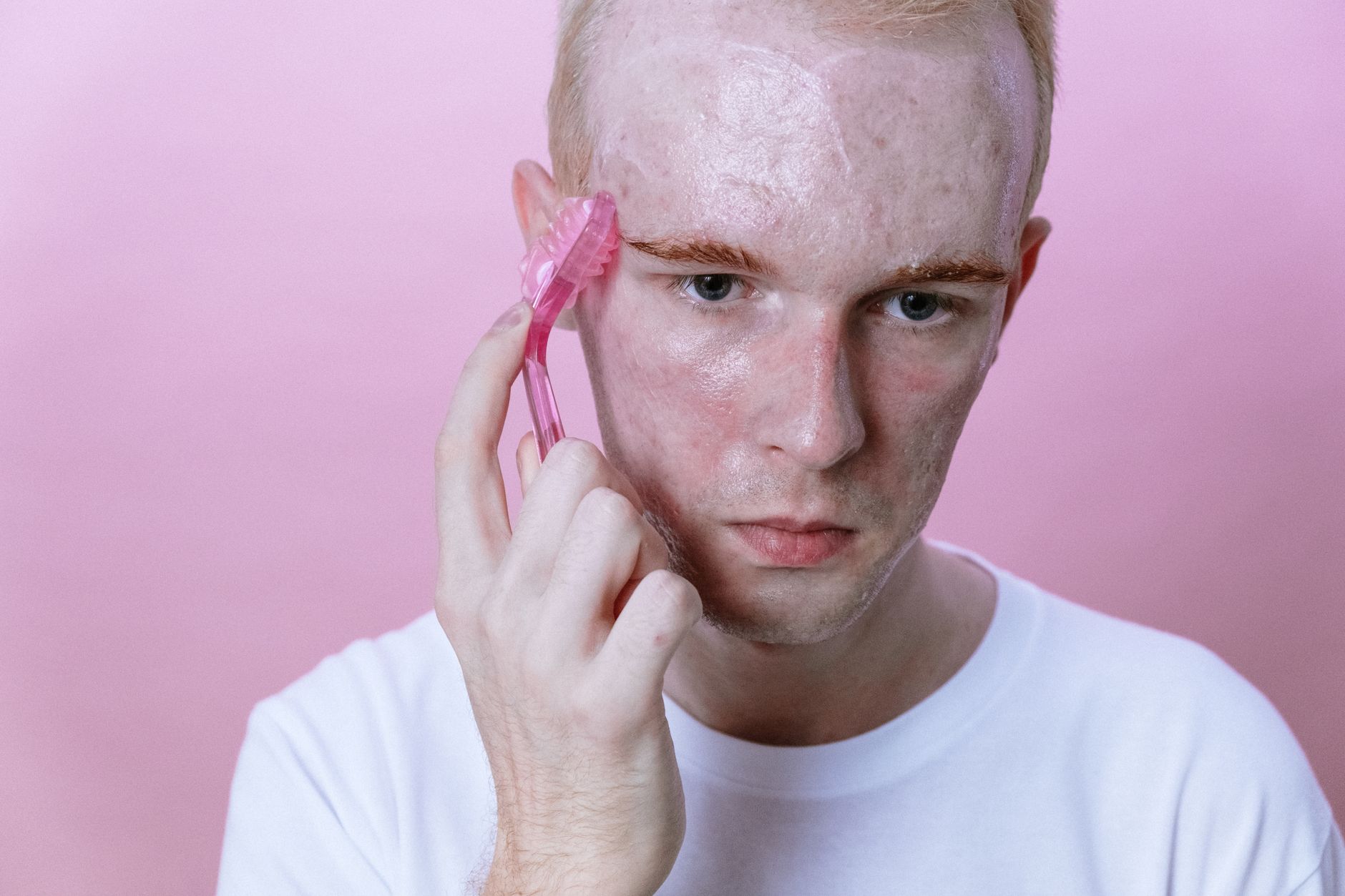
Dealing with acne can be a challenging journey, and for many in India, the aftermath of breakouts can be even more distressing. We're talking about those stubborn pitted acne scars – the indentations left behind that can significantly affect your confidence. While acne itself can be a source of discomfort and self-consciousness, the scars it leaves can feel like a permanent reminder. Let's explore what causes these pesky pits, the different types you might encounter, and most importantly, how you can effectively treat them, keeping in mind the unique needs of Indian skin. What Exactly Are Pitted Acne Scars? Pitted acne scars, also known medically as atrophic scars, are depressions or indentations in the skin that form after a severe acne breakout. Unlike raised scars (hypertrophic or keloid scars), these scars create a sunken appearance. They occur when the skin doesn't produce enough collagen during the healing process. Collagen is the protein that gives your skin structure and elasticity. When the tissue beneath the breakout is damaged and healing is insufficient, the skin collapses inward, forming a scar that looks like a pit or a hole. It's estimated that a significant percentage of people who experience acne, potentially up to 95 percent, can develop some form of scarring. This means you are certainly not alone in this struggle. While pink spots left after acne usually fade within a couple of months once the active acne is under control, the indented scars are a different story. They can be persistent and often require targeted treatments to improve their appearance. Why Do Pitted Acne Scars Form? The Science Behind the Scars The formation of acne scars, especially pitted ones, is a complex process primarily driven by inflammation. Dr. Sharon Wong, a consultant dermatologist, explains that the likelihood of acne leading to scars depends on several factors: Type of Acne: Deeper, inflamed lesions like cysts and nodules are much more prone to scarring than superficial blemishes like whiteheads or blackheads. Picking or Squeezing: This is a major culprit! When you pick, squeeze, or pop pimples, you introduce more bacteria, increase inflammation, and damage the underlying skin tissue. This disruption significantly hinders the natural healing process, making scarring much more probable. Individual Healing Tendencies: Some people are genetically predisposed to scarring. Their skin's wound healing mechanism might overproduce or underproduce collagen. Dr. Yoram Harth, a board-certified dermatologist, elaborates on the collagen aspect. In individuals prone to scarring, the skin might produce an excess of collagen fibers that pull the skin downwards, creating those characteristic depressed atrophic scars. Conversely, in some cases, excessive collagen production can lead to raised scars (keloids or hypertrophics), but for pitted scars, it's often about insufficient or improperly structured collagen. The inflammation itself damages the skin, triggering the body's wound-healing response. This response can affect the production of melanin (which causes dark spots) and collagen. When collagen production is disrupted – either too little is made, or it's made in a way that doesn't support the skin's structure – scarring occurs. Types of Pitted Acne Scars Not all pitted scars look the same. Dermatologists categorize them further based on their shape and depth. Understanding the type of scar you have can help in choosing the most effective treatment. The main categories of pitted scars include: 1. Ice Pick Scars These are perhaps the most challenging to treat. They are narrow, deep, and resemble small puncture marks, as if an ice pick has been used to create them. They can extend deep into the dermis, giving the skin a pitted, 'dented' appearance. 2. Boxcar Scars These scars have wider, sharply defined edges. They look like small, circular or oval depressions with steep, vertical sides. Their width can make them quite noticeable, and they often appear on the cheeks and temples. 3. Rolling Scars These scars give the skin an uneven, undulating, or wave-like contour. They are relatively shallow with soft, subtle edges, creating a rolling appearance across the skin's surface. They are generally less severe than ice pick or boxcar scars. Can Home Remedies Treat Pitted Acne Scars? The allure of natural solutions is strong, especially when dealing with persistent skin concerns. However, when it comes to pitted acne scars, home remedies and natural products often fall short. Dr. Harth points out that these methods generally have minimal effectiveness for treating indented scars and dark spots. In some instances, they might even worsen the condition by causing irritation or allergic reactions. While some ingredients like Vitamin C or certain acids might offer mild brightening for post-acne marks, they are unlikely to rebuild collagen or significantly improve the texture of deep, pitted scars. Effective Treatments for Pitted Acne Scars in India Treating pitted acne scars often requires professional intervention. It's crucial to ensure your active acne is under control before starting scar treatment. Continuing breakouts can create new scars, and some treatments might even aggravate active acne. Consulting a dermatologist is the first and most important step. 1. Topical Treatments (for dark marks and mild texture) While not a primary treatment for deep pits, certain topical agents can help improve the overall appearance of post-acne marks and mild textural irregularities: Retinoids: These Vitamin A derivatives can help boost collagen production over time and improve cell turnover. Alpha Hydroxy Acids (AHAs): Glycolic acid and lactic acid can help exfoliate the skin's surface, improving texture and fading hyperpigmentation. Beta Hydroxy Acids (BHAs): Salicylic acid is effective in unclogging pores and has anti-inflammatory properties, helping with both active acne and post-acne marks. Hydroquinone and Arbutin: These ingredients are primarily used for lightening dark spots (hyperpigmentation) left behind by acne. Important Note: Always use these products as directed and preferably under the guidance of a dermatologist. Sun protection is non-negotiable when using these treatments. 2. Professional Procedures These treatments work by stimulating collagen production, resurfacing the skin, or filling in the indentations: Laser Resurfacing: Various types of lasers (ablative and non-ablative) can be used to remove outer layers of skin or heat the underlying dermis, stimulating collagen production and improving scar texture. Microneedling: This procedure involves using fine needles to create controlled micro-injuries in the skin, triggering the body's natural healing response and boosting collagen and elastin production. It's particularly effective for rolling and shallow boxcar scars. Chemical Peels: Medium to deep chemical peels can remove damaged outer layers of skin, promoting regeneration and improving the appearance of scars. Dermal Fillers: Injectable fillers (like hyaluronic acid) can be used to temporarily lift and fill in depressed scars, creating a smoother skin surface. This is often a good option for boxcar and some rolling scars. Subcision: This technique is used for tethered or rolling scars. A needle is inserted under the scar to break up the fibrous bands that pull the skin down, allowing the skin to lift. Punch Excision/Grafting: For deep ice pick scars, a dermatologist might surgically remove the scar and close the wound with stitches or a small skin graft. Prevention is Key: Minimizing Scarring Risk The best approach to pitted acne scars is prevention. Here’s how you can minimize your risk: Treat Acne Promptly and Effectively: Don't ignore breakouts. Seek treatment from a dermatologist early on to manage acne and reduce inflammation. Avoid Picking and Squeezing: This cannot be stressed enough. Resist the urge to touch your pimples. Let them heal naturally or use appropriate spot treatments. Maintain a Consistent Skincare Routine: Cleanse your face gently twice a day. Use non-comedogenic products. Use Sun Protection Daily: Sun exposure can darken scars and make them more noticeable. Always apply a broad-spectrum sunscreen with at least SPF 30, even on cloudy days. This is vital for all skin types, including Indian skin tones, which can be prone to hyperpigmentation. When to Consult a Doctor It's time to see a dermatologist if: You are experiencing persistent or severe acne that isn't responding to over-the-counter treatments. You notice scarring developing after your acne clears up. You are unsure about the type of scars you have or the best treatment options for your skin. You want to discuss preventative measures to minimize future scarring. Remember, managing acne and its scars is a marathon, not a sprint. With the right approach and professional guidance, you can significantly improve the appearance of pitted acne scars and regain smoother, clearer skin. Frequently Asked Questions (FAQ) Q1: Can pitted acne scars disappear completely? While some very superficial scars might improve significantly over time with consistent treatment, deep pitted scars may not disappear entirely. The goal of treatment is to make them much less noticeable and improve the overall skin texture. Q2: How long does it take to see results from scar treatments? Treatment results vary depending on the method used, the severity of the scars, and individual healing. It can take several weeks to months to see noticeable improvements, and multiple treatment sessions are often required. Q3: Are treatments for pitted acne scars painful? Most procedures involve some level of discomfort, but dermatologists use topical numbing creams and other techniques to minimize
In summary, timely diagnosis, evidence-based treatment, and prevention-focused care improve long-term health outcomes.