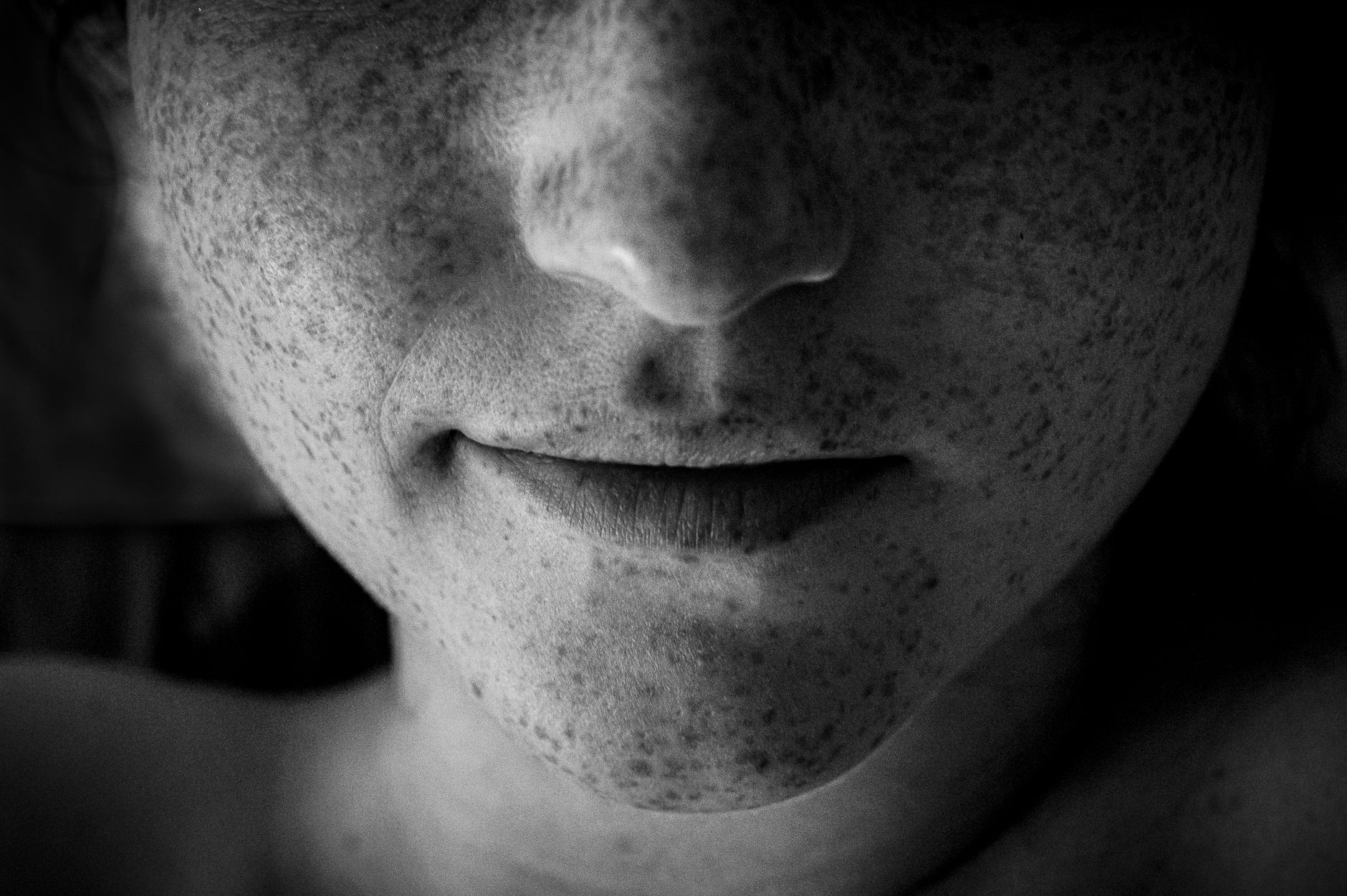
Rosacea: More Than Just Redness Rosacea is a common, chronic skin condition that primarily affects the face, often leading to redness, visible blood vessels, and sometimes bumps that resemble acne. While it's frequently associated with fair skin, rosacea can affect individuals of all skin tones, including Black and Brown individuals. However, it is often underdiagnosed in people of color because its presentation can differ significantly from how it appears on lighter skin. This article aims to shed light on how rosacea manifests in darker skin tones, its potential causes and triggers, and the available treatment options, emphasizing the importance of accurate diagnosis and management. What is Rosacea? Rosacea is a persistent inflammatory condition of the facial skin. It typically affects the central areas of the face, such as the nose, cheeks, chin, and forehead. The hallmark symptom is facial redness or flushing, but rosacea can present with various other symptoms depending on its subtype. These can include persistent redness, visible blood vessels (telangiectasias), papules and pustules (acne-like breakouts), and in some cases, thickening of the skin (phymatous changes), particularly on the nose. Eye involvement, known as ocular rosacea, can also occur, leading to irritation, dryness, and redness of the eyes. Rosacea in Black and Brown Skin: A Different Presentation The traditional understanding and description of rosacea symptoms often focus on the appearance of pink or red skin, which is more easily discernible on lighter complexions. In individuals with darker skin tones, rosacea can present differently, leading to misdiagnosis or delayed diagnosis. Instead of a clear pink or red flush, rosacea on Black and Brown skin may appear as: Dusky or Dark Patches: The redness may not be a bright flush but rather a more subtle, dusky, or dark discoloration of the skin in the affected areas. Purplish Hues: Flare-ups can sometimes manifest as purplish or violaceous discoloration. Acne-like Breakouts: Papules and pustules, which are small, red, inflamed bumps and pus-filled pimples, are a common symptom and can be mistaken for acne. This is particularly true in people of color, where these breakouts might be more prominent than the redness. Post-Inflammatory Hyperpigmentation (PIH): After a rosacea flare-up or inflammation subsides, darker patches of skin can develop. PIH is more common in individuals with darker skin tones and can make it even more challenging to identify the underlying rosacea, as the darkened areas can mask other symptoms. Mouth, Nose, and Eye Lesions: Some studies suggest that people of color with rosacea are more likely to experience lesions or inflammation around the mouth and nose, as well as eye symptoms (ocular rosacea), compared to facial redness. It's crucial to understand that these variations do not mean rosacea is less common in people of color; rather, it highlights the need for healthcare professionals to be aware of these different presentations. Potential Causes and Triggers of Rosacea The exact cause of rosacea remains unknown, but it is believed to be a complex interplay of genetic predisposition and environmental factors. Several factors are thought to contribute to its development: Genetics: A family history of rosacea increases the likelihood of developing the condition. Abnormalities in the Immune System: An overactive immune response may play a role. Microscopic Skin Mites: The presence of Demodex mites, which live on the skin, has been linked to rosacea in some individuals. Gut Bacteria: Some research suggests a connection between rosacea and certain gut bacteria. While the underlying causes are not fully understood, certain factors can trigger or worsen rosacea symptoms. These triggers can vary significantly from person to person, and skin color does not appear to influence the types of triggers. Common triggers include: Sun Exposure: Ultraviolet (UV) radiation from the sun is a major trigger for many. Heat: Exposure to high temperatures, hot weather, or hot baths. Certain Foods and Drinks: Spicy foods, hot beverages, alcohol (especially red wine), and dairy products can trigger flares. Stress: Emotional stress and anxiety can exacerbate symptoms. Certain Medications: Some drugs that dilate blood vessels can worsen rosacea. Skincare Products: Harsh soaps, abrasive scrubs, and certain topical treatments can irritate the skin. Exercise: Intense physical activity that raises body temperature. Identifying and avoiding personal triggers is a key part of managing rosacea effectively. Diagnosis of Rosacea Diagnosing rosacea typically relies on a thorough medical history and a physical examination of the skin by a dermatologist. Because rosacea can mimic other skin conditions like acne, eczema, or seborrheic dermatitis, especially in darker skin tones, a careful evaluation is essential. The dermatologist will look for characteristic signs such as persistent facial redness, visible blood vessels, papules, and pustules. They will also inquire about flushing episodes, eye symptoms, and potential triggers. In cases where the diagnosis is uncertain, or to rule out other conditions, a skin biopsy might be considered, although this is not usually necessary for a typical rosacea diagnosis. Treatment Options for Rosacea The goal of rosacea treatment is to manage symptoms, reduce flare-ups, and improve the skin's appearance. Treatment approaches are generally similar for all skin tones, but dermatologists may tailor specific therapies to minimize the risk of side effects like hyperpigmentation in darker skin. Treatment options include: 1. Medications Topical Treatments: Creams and gels containing ingredients like metronidazole, azelaic acid, ivermectin, or brimonidine can help reduce inflammation, redness, and bumps. Azelaic acid is often well-tolerated and effective in darker skin tones. Oral Antibiotics: Medications like doxycycline or minocycline may be prescribed for moderate
In summary, timely diagnosis, evidence-based treatment, and prevention-focused care improve long-term health outcomes.