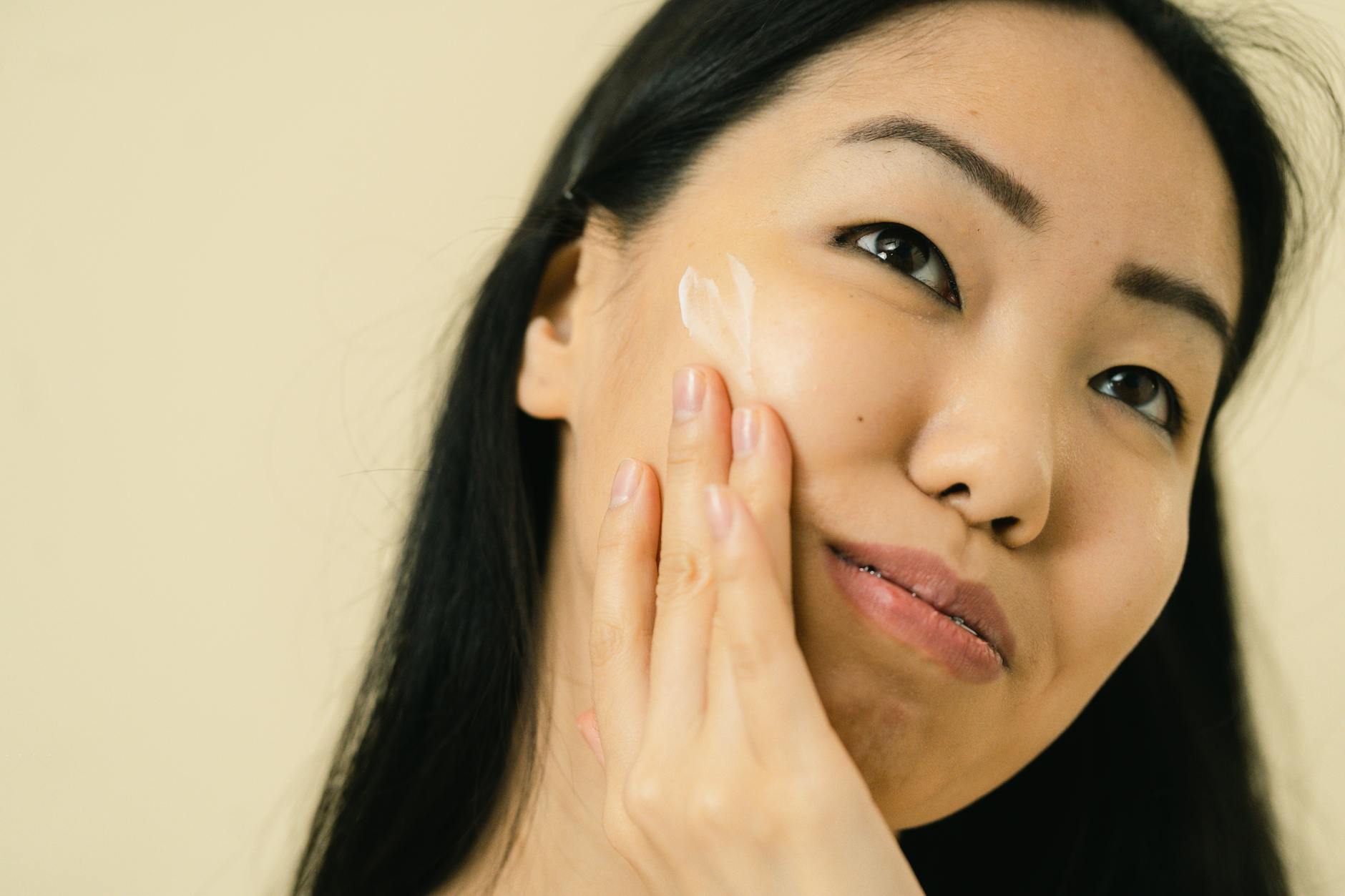
What Causes Your Skin to Look Shiny? Let's Find Out!
Does your face often look a little too glossy by midday, no matter what you do? You're not alone! Many people in India struggle with shiny skin, which can sometimes feel like a never-ending battle. While a healthy glow is desirable, an excessive shine can feel bothersome and even impact your confidence. It's easy to think that shiny skin simply means you have oily skin, but the reality is often more complex. Sometimes, even dry skin can present as shiny!
In this guide, we'll explore the various reasons behind that unwanted shine, from your genetics to your daily habits. We'll also offer practical, easy-to-follow solutions tailored for our readers in India, helping you achieve balanced, healthy-looking skin.
Is Shiny Skin Always a Sign of Oily Skin?
When dermatologists talk about "shiny" skin, they usually mean skin that appears oily or wet. This oil, called sebum, is produced by tiny glands in your skin called sebaceous glands. These glands are often found near hair follicles and their job is to secrete sebum, a substance rich in ceramides. Ceramides are essential fatty acids that form a protective barrier on your skin. This barrier is your skin's defense against environmental aggressors like pollution and harsh sunlight. It also plays a vital role in keeping your skin hydrated.
Because the skin's surface is relatively thin, sebum can create a visible film, giving your skin that characteristic shine. However, having shiny skin doesn't automatically mean your skin is unhealthy. In fact, a complete lack of shine or glow might signal issues like poor diet, lack of sleep, or dehydration. But, if your face becomes excessively oily and shiny by lunchtime every day, it's a good indicator that your sebum production might be a bit out of balance.
Common Culprits Behind Excessive Skin Shine
Several factors can contribute to that shiny appearance:
- Genetics: Some people are naturally born with more sebaceous glands than others. If you have more of these oil-producing glands, you'll likely have oilier skin. The number of sebaceous glands is determined by your genes, and it's often observed that individuals with fairer skin may have a higher concentration.
- The T-Zone: Your forehead, nose, and chin – collectively known as the T-zone – are typically packed with sebaceous glands. This is why these areas tend to be the oiliest parts of your face.
- Hormonal Fluctuations: Changes in hormone levels can significantly impact sebum production. This is particularly common during adolescence, pregnancy, or even due to certain medical conditions.
- Environmental Factors: High humidity, pollution, and even prolonged exposure to heat can make your skin appear shinier.
- Skincare Products: Using the wrong skincare products can either stimulate more oil production or strip your skin of its natural oils, leading to a compensatory overproduction. Heavy, occlusive creams might also contribute to a shiny look.
- Diet: While the link is complex, some studies suggest that diets high in refined carbohydrates and certain dairy products might influence sebum production in some individuals.
The Surprising Link: Can Dry Skin Cause Shine?
This might sound counterintuitive, but yes, dry skin can sometimes lead to a shiny appearance! Here's how it happens:
When your skin becomes dry and dehydrated, its natural protective barrier can be compromised. To compensate for the lack of moisture, your sebaceous glands might go into overdrive, producing more sebum than usual. This excess oil can then sit on the surface of your skin, creating that unwanted shine. You might notice your skin feels tight and perhaps even a little itchy, yet it looks shiny.
Real-life scenario: Meena, a homemaker in her late 30s, noticed her forehead and nose getting very oily by 10 AM every day. She started washing her face multiple times a day and using harsh astringents, hoping to control the shine. Instead, her skin became tighter, and the shine seemed to return even faster, sometimes accompanied by small, dry patches.
Meena's experience highlights a common mistake: treating dry, yet shiny, skin as if it were purely oily. Over-cleansing and stripping the skin of its natural oils can worsen the problem.
Achieving Balanced Skin: Practical Solutions for Shiny Skin
Managing shiny skin involves a consistent and gentle approach. Here are some effective strategies:
1. Gentle Cleansing is Key
Even if your skin is oily, avoid harsh soaps or scrubbing vigorously. Use a mild, foaming cleanser twice a day to remove excess oil and impurities without stripping your skin.
- Look for cleansers with ingredients like salicylic acid (in low concentrations) or tea tree oil, which can help manage oiliness.
- Avoid washing your face more than twice a day, as this can trigger overproduction of oil.
2. The Power of Moisturizing
This is non-negotiable, even for oily or shiny skin! Skipping moisturizer can lead to dehydration and, ironically, more oil. Choose lightweight, oil-free, and non-comedogenic moisturizers.
- Look for gel-based or water-based formulas.
- Ingredients like hyaluronic acid can hydrate your skin without adding oiliness.
3. Smart Exfoliation
Regular exfoliation helps remove dead skin cells that can contribute to dullness and clogged pores. However, over-exfoliation can damage your skin barrier. Aim for 1-3 times a week, depending on your skin's tolerance.
- Chemical exfoliants like salicylic acid (BHA) or glycolic acid (AHA) are often effective for oily and shiny skin.
- Start slowly and observe how your skin reacts.
4. Blotting Papers and Mattifying Products
For quick touch-ups throughout the day, blotting papers are a lifesaver. They absorb excess oil without disturbing your makeup.
- Consider using a mattifying primer before applying makeup to create a smoother, less shiny base.
- A light dusting of translucent powder can also help control shine.
5. Sun Protection is Crucial
Sunscreen is vital for everyone, regardless of skin type. Opt for oil-free, non-comedogenic sunscreens with at least SPF 30.
- Look for formulations labelled as "matte finish" or "oil-control."
6. Lifestyle Adjustments
What you eat and how you live impacts your skin:
- Hydration: Drink plenty of water throughout the day.
- Diet: Focus on a balanced diet rich in fruits, vegetables, and whole grains. Limit processed foods and sugary drinks.
- Stress Management: Chronic stress can affect hormones. Practice relaxation techniques like deep breathing or meditation.
- Sleep: Aim for 7-9 hours of quality sleep each night.
What is
Overall, early action and medically verified advice remain the safest approach.