What is Sporadic Hemiplegic Migraine (SHM)?
Sporadic Hemiplegic Migraine (SHM) is a rare and complex neurological disorder characterized by severe headaches accompanied by temporary neurological deficits, such as weakness or paralysis on one side of the body (hemiplegia). Unlike familial hemiplegic migraine, SHM is not inherited and can affect anyone, regardless of family history. The condition is often mistaken for a stroke due to the sudden onset of stroke-like symptoms, making prompt medical attention crucial.
Symptoms of SHM
The symptoms of SHM can be alarming and often mimic those of a stroke. They typically occur during a migraine attack and can include:
- Severe headache: Often throbbing and unilateral, but can be bilateral.
- Hemiplegia: Weakness or paralysis on one side of the body (face, arm, or leg). This is the hallmark symptom.
- Visual disturbances: Such as blurred vision, blind spots, or flashing lights (aura).
- Nausea and vomiting: Common accompanying symptoms of severe migraines.
- Speech difficulties: Trouble speaking or understanding speech.
- Sensory changes: Numbness or tingling on one side of the body.
- Fever: Sometimes present during an attack.
- Seizures: In some severe cases.
It's important to note that the neurological symptoms, including hemiplegia, usually resolve completely after the migraine attack subsides. However, repeated attacks can be debilitating.
Causes of SHM
The exact cause of SHM is not fully understood, but it is believed to involve genetic mutations that affect calcium channels in the brain. These mutations can lead to abnormal electrical activity in the brain, triggering migraine attacks with neurological symptoms. Unlike familial hemiplegic migraine, SHM occurs sporadically, meaning there is no known family history of the condition. Environmental factors and triggers may also play a role in precipitating an attack in individuals who are predisposed.
Diagnosis of SHM
Diagnosing SHM can be challenging due to its rarity and the similarity of its symptoms to other serious neurological conditions like stroke or epilepsy. A thorough medical evaluation is essential and typically includes:
- Medical History: Detailed questioning about the onset, duration, and nature of symptoms, as well as any personal or family history of migraines.
- Neurological Examination: To assess motor function, sensation, coordination, and reflexes.
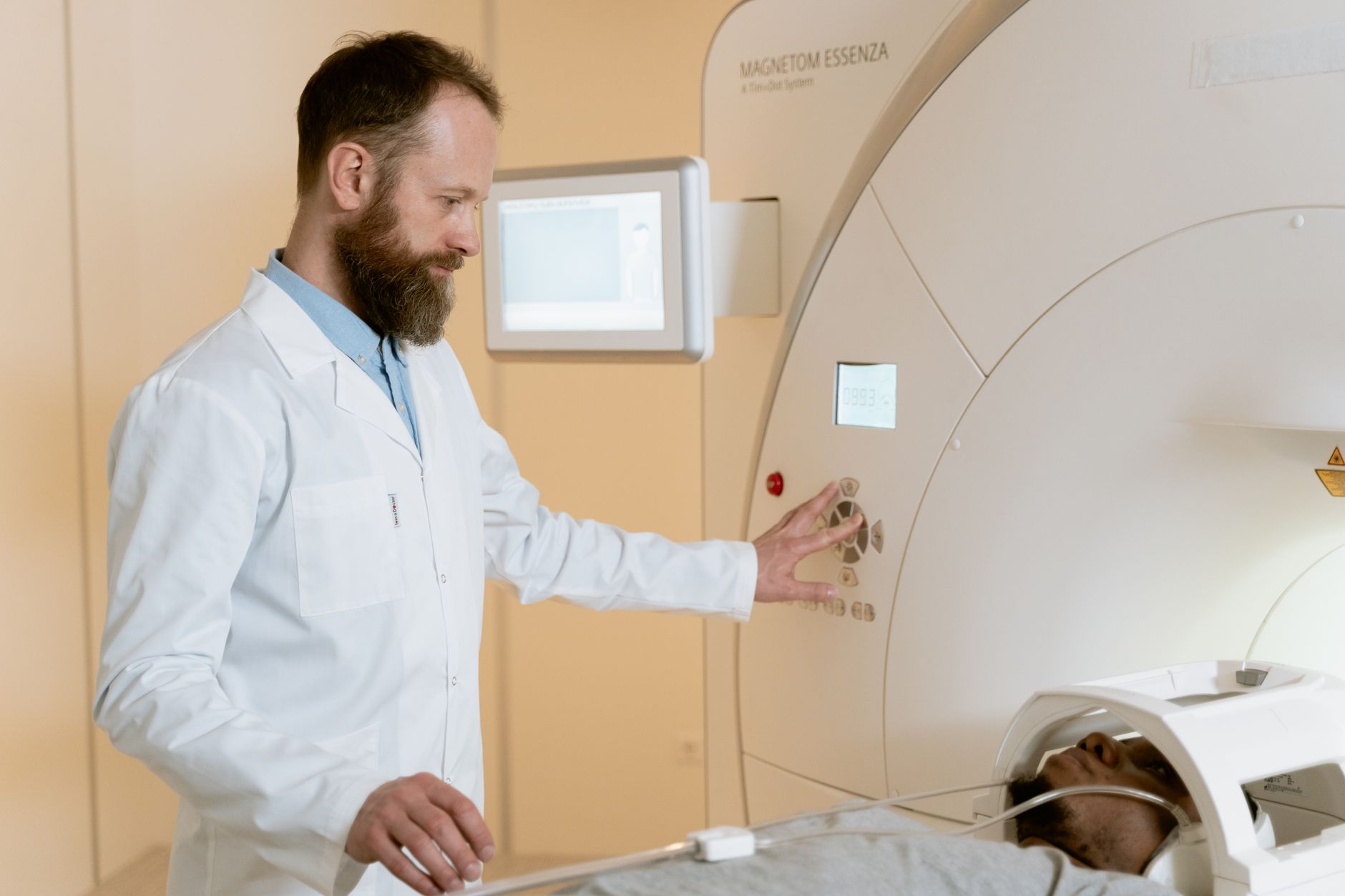
- Brain Imaging: MRI or CT scans are crucial to rule out other causes like stroke, bleeding, or tumors. Specific MRI sequences may show changes related to hemiplegic migraine during an attack.
- Electroencephalogram (EEG): To rule out seizures.
- Genetic Testing: While not always necessary for SHM (as it's sporadic), it can be considered in some cases to identify specific gene mutations associated with hemiplegic migraines.
A diagnosis of SHM is often made after other potential causes have been excluded and when the pattern of symptoms is consistent with hemiplegic migraine.
Treatment for SHM
The treatment for SHM focuses on two main goals: managing acute attacks and preventing future episodes. Due to the rarity of the condition and limited research, treatment options are often based on managing symptoms and extrapolating from knowledge of other migraine types. Many severe attacks require hospitalization and intravenous (IV) treatments.
Treating Acute Attacks:
During a severe SHM attack, prompt medical intervention is vital. Treatment may include:
- Intravenous (IV) Fluids: To prevent dehydration, especially if vomiting is present.
- IV Medications: Such as anti-nausea drugs, pain relievers, and sometimes specific medications like verapamil or flunarizine, which have shown some benefit in case reports, particularly when administered intravenously.
- Corticosteroids: In severe cases, IV corticosteroids may be administered to reduce inflammation.
- Monitoring: Close monitoring in a hospital setting is essential to manage neurological symptoms and prevent complications.
Preventive Medications:
Preventive strategies aim to reduce the frequency and severity of SHM attacks. These may include:
- Oral Medications: While there are no medications specifically approved for SHM, doctors may prescribe certain oral medications based on their understanding of migraine pathophysiology and limited research. These can include calcium channel blockers (like verapamil, though evidence is limited) or other migraine-preventive drugs.
- Lamotrigine: Some small studies suggest it might help reduce aura symptoms, but more research is needed, and it's not specific to hemiplegic migraine.
- Naloxone: Limited data suggests it might help lower symptoms for some individuals with SHM.
It is crucial to work closely with a neurologist or headache specialist to determine the most appropriate preventive treatment plan.
Medications to Avoid:
Certain medications commonly used for standard migraines may be contraindicated in SHM. For instance:
- Triptans: These are generally not recommended for SHM as they can potentially worsen neurological symptoms.
- Vasodilators: Medications that widen blood vessels might increase the risk of stroke-like symptoms.
Lifestyle Modifications and Complementary Therapies
In addition to medication, lifestyle changes can play a significant role in managing SHM:
- Trigger Avoidance: Identifying and avoiding personal migraine triggers is essential. Common triggers include stress, lack of sleep, certain foods, bright lights, and physical exertion.
- Regular Sleep Schedule: Maintaining consistent sleep patterns, avoiding both too little and too much sleep.
- Balanced Diet: Eating a nutritious, well-balanced diet.
- Stress Management: Employing relaxation techniques like deep breathing, meditation, or yoga.
Emerging therapies like:
- Electrostimulation Devices: Non-invasive devices that deliver electrical currents to nerves may offer some relief for certain individuals with migraine.
- Transcranial Magnetic Stimulation (TMS): This non-invasive technique may help modulate brain activity and potentially reduce migraine aura.
These complementary approaches should be discussed with a healthcare provider.
SHM vs. Familial Hemiplegic Migraine (FHM)
While both SHM and FHM cause similar symptoms, the key difference lies in their inheritance pattern. FHM is an inherited condition caused by specific genetic mutations passed down through families. SHM, on the other hand, occurs sporadically and is not directly inherited, although genetic predispositions might still be involved.
When to Consult a Doctor
If you experience a severe headache accompanied by sudden neurological symptoms like weakness, paralysis, vision changes, or speech difficulties, seek immediate medical attention. Do not delay, as these symptoms can indicate a serious condition like a stroke or SHM. Early diagnosis and treatment are critical for managing SHM effectively and preventing potential complications. If you have a history of migraines and experience unusual or severe symptoms, consult your doctor promptly.
Living with SHM can be challenging, but with a comprehensive treatment plan, lifestyle adjustments, and ongoing medical support, individuals can work towards managing their condition and improving their quality of life.