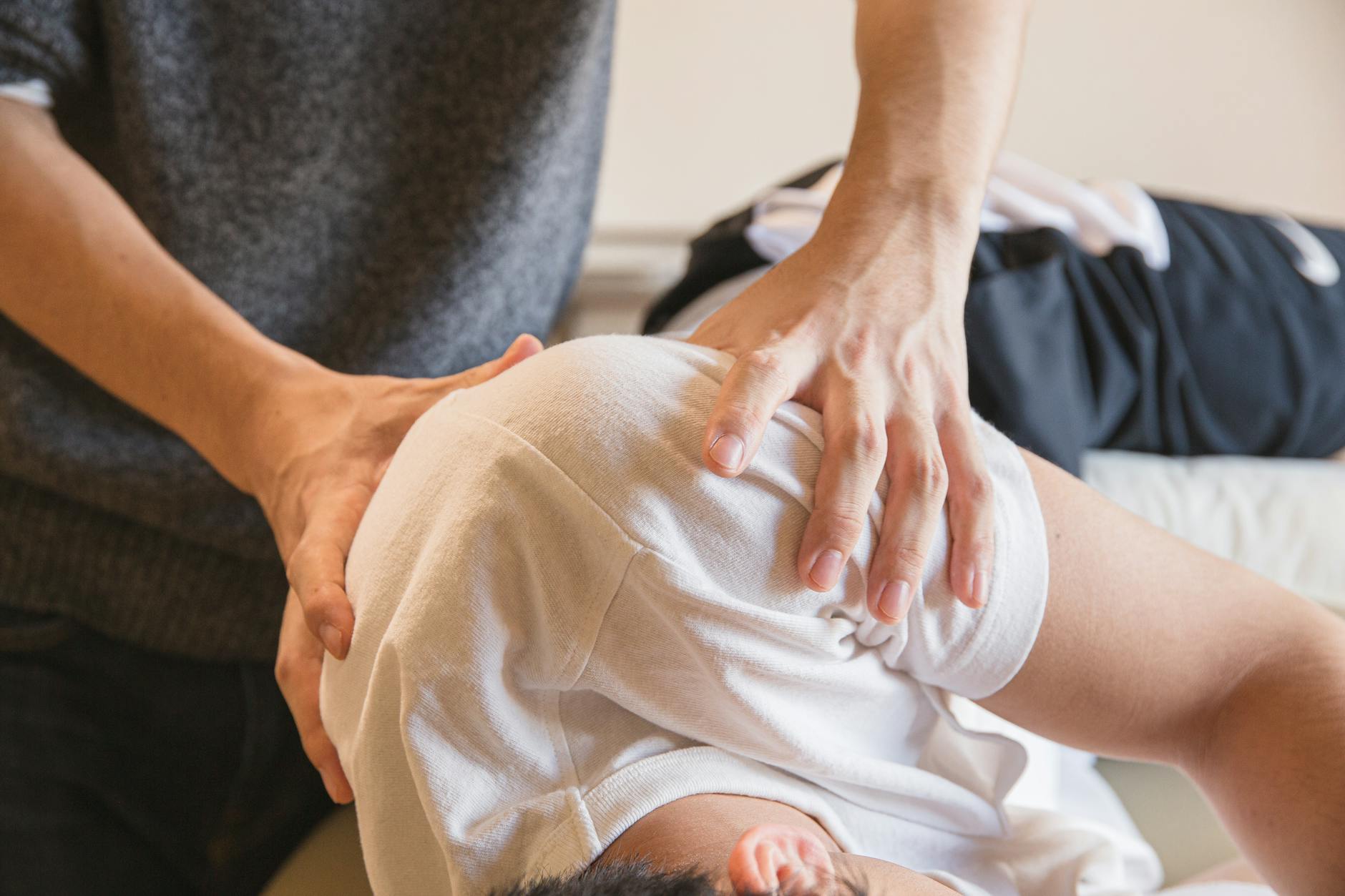
Understanding Stroke Prognosis: Life Expectancy and Recovery After a Stroke A stroke is a serious medical emergency that occurs when the blood supply to a part of the brain is interrupted or reduced, preventing brain tissue from getting oxygen and nutrients. Brain cells begin to die in minutes. While strokes can be life-threatening, many people survive them. However, a stroke can significantly impact your life expectancy and quality of life. It's natural to wonder about the future after experiencing a stroke. This article delves into stroke prognosis, exploring life expectancy, recovery timelines, and the factors that influence your outlook. What is Stroke Prognosis? Stroke prognosis refers to the likely course and outcome of a stroke. It involves predicting how well a person will recover, their chances of survival, and their potential for long-term disability. This outlook is not a definitive prediction but rather an estimation based on various factors. Life Expectancy After a Stroke A stroke can indeed reduce your life expectancy. However, the extent of this reduction varies greatly among individuals. Several large-scale studies have shed light on this aspect: General Reduction: A 2022 study involving over 300,000 individuals in Australia and New Zealand found that experiencing any type of stroke was associated with an average reduction of 5.5 years in life expectancy. Hemorrhagic Stroke: People who suffer a hemorrhagic stroke (bleeding in the brain) tend to have a more significant reduction, losing an average of 7.4 years of life expectancy. Ischemic Stroke Survival Rates: For ischemic strokes (caused by a blockage in a blood vessel), survival rates can be more favorable. A 2019 Swedish study indicated that among those who survived at least 30 days after their first ischemic stroke, the 5-year survival rate was approximately 49.4%. Intracerebral Hemorrhage Survival Rates: For those who experienced an intracerebral hemorrhage (a type of hemorrhagic stroke), the 5-year survival rate in the same study was around 37.8%. Short-Term Mortality: A 2019 German study revealed that about 1 in 11 people die within 90 days of an initial stroke, and approximately 1 in 6 die within a year. It's crucial to remember that these figures represent averages. Individual outcomes can differ significantly. Factors such as age, the severity of the stroke, and the promptness of treatment play vital roles. Factors Influencing Stroke Prognosis Several factors contribute to a person's outlook after a stroke. Understanding these can help in managing expectations and focusing on recovery: Age: Younger individuals generally have a better prognosis and a higher chance of regaining lost functions compared to older adults. Type of Stroke: As mentioned, hemorrhagic strokes often carry a poorer prognosis than ischemic strokes. Severity of Stroke: The extent of brain damage caused by the stroke is a primary determinant of recovery. More severe strokes typically lead to longer recovery periods and potentially more permanent disabilities. Time to Treatment: Prompt medical intervention is critical. Receiving treatment within the first few hours of symptom onset (especially for ischemic strokes with clot-busting medications) can significantly improve outcomes and reduce long-term damage. The 'golden hour' is crucial. Location of Brain Damage: The specific area of the brain affected by the stroke influences the type and severity of symptoms and the potential for recovery. Overall Health: Pre-existing health conditions, such as diabetes, high blood pressure, or heart disease, can affect recovery. A healthier individual may recover more effectively. Lifestyle Factors: Smoking, excessive alcohol consumption, and poor diet can hinder recovery and increase the risk of future strokes. Rehabilitation and Support: Access to comprehensive rehabilitation services and strong social support networks are vital for maximizing recovery and improving quality of life. Stroke Recovery Timeline Recovering from a stroke is a marathon, not a sprint. The timeline for recovery is highly individual and can range from months to years. Some individuals may experience a remarkable recovery, regaining most or all of their lost abilities, while others may face long-term challenges. Key aspects of stroke recovery include: Early Rehabilitation: Rehabilitation usually begins in the hospital as soon as the patient's condition stabilizes. This may include physical therapy, occupational therapy, and speech therapy. Long-Term Recovery: Even if full recovery isn't achieved, stroke rehabilitation aims to help individuals maximize their independence and improve their quality of life. This process can continue long after the initial hospital stay. Non-Linear Process: Recovery is often not a linear path. There may be periods of rapid progress followed by plateaus, and sometimes even setbacks. Patience and persistence are key. Common Complications After a Stroke Strokes can lead to a variety of complications, depending on the type, location, and severity of the stroke. Some common complications include: Physical Disabilities: Weakness or paralysis on one side of the body (hemiparesis or hemiplegia), difficulty with balance and coordination, and problems with swallowing (dysphagia). Speech and Language Problems: Difficulty speaking (dysarthria) or understanding language (aphasia). Cognitive Impairments: Problems with memory, attention, problem-solving, and decision-making. Emotional Changes: Depression, anxiety, irritability, and mood swings are common. Pain: Central post-stroke pain can develop in the affected parts of the body. Fatigue: Persistent tiredness is a common complaint. Increased Risk of Future Strokes It's important to be aware that having a stroke significantly increases your risk of experiencing another stroke. Studies show: A 2019 German study indicated that individuals who have had a stroke face a higher risk of a second stroke compared to the general population. Specific risk percentages vary based on stroke type and individual factors.
In summary, timely diagnosis, evidence-based treatment, and prevention-focused care improve long-term health outcomes.