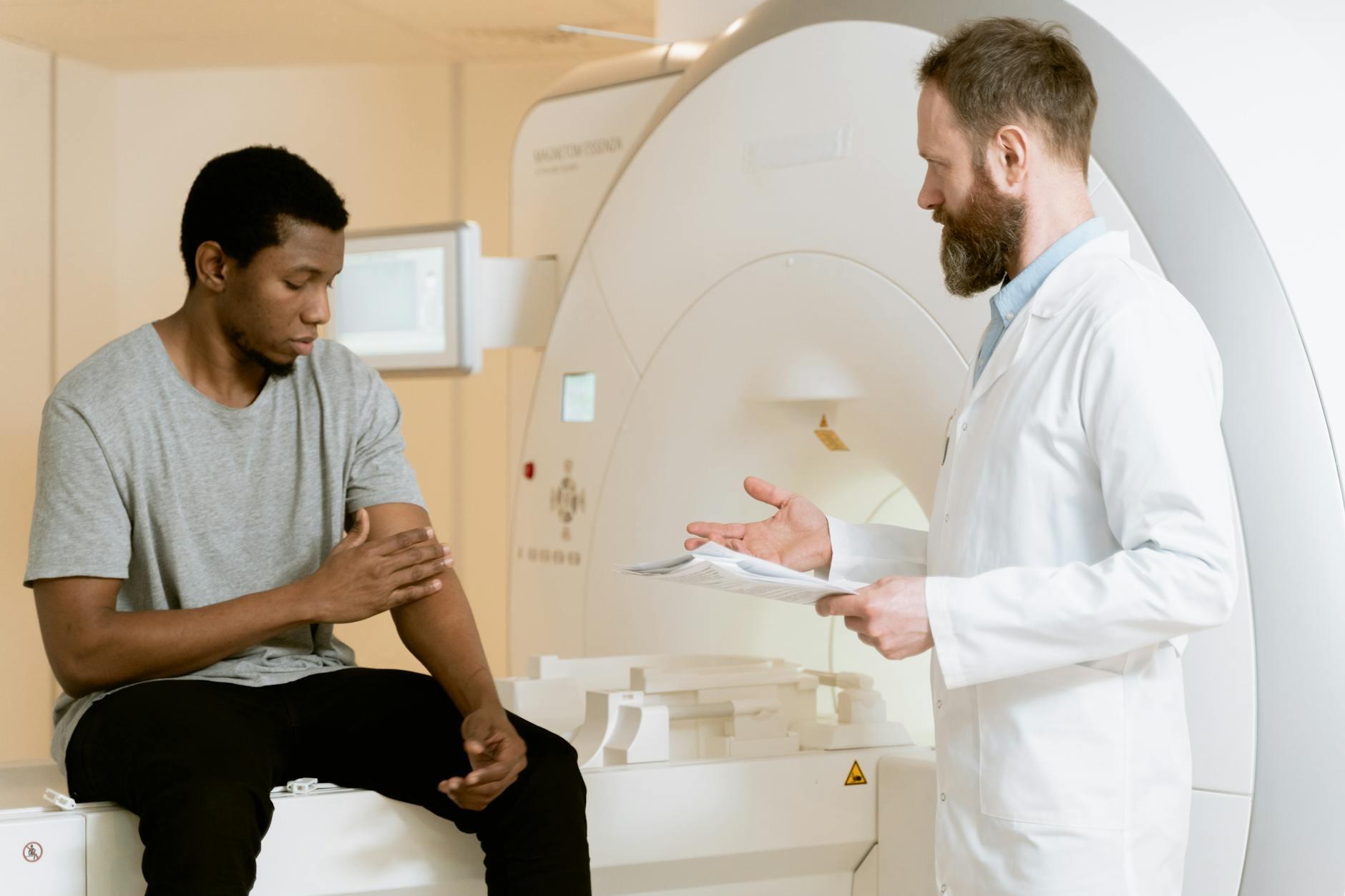
Amyotrophic Lateral Sclerosis (ALS) Diagnosis: A Comprehensive Guide for Indian Patients Amyotrophic Lateral Sclerosis, commonly known as ALS or Lou Gehrig's disease, is a progressive neurodegenerative condition that affects nerve cells in the brain and spinal cord. This leads to muscle weakness, paralysis, and eventually, respiratory failure. While ALS can affect anyone, it is more commonly diagnosed in individuals between the ages of 40 and 70, with the average age of diagnosis being around 55 years. In India, as in the rest of the world, diagnosing ALS can be a complex and often lengthy process. This guide aims to provide a clear and practical understanding of how ALS is diagnosed, focusing on the Indian healthcare context. The Challenge of Diagnosing ALS One of the primary challenges in diagnosing ALS is the absence of a single, definitive test. The symptoms of early ALS can be subtle and often mimic those of other neurological conditions. This means that a thorough evaluation and a process of elimination are crucial. Neurologists, specialists in disorders of the nervous system, typically lead the diagnostic journey. They employ a combination of detailed medical history, comprehensive physical and neurological examinations, and a battery of diagnostic tests to arrive at an accurate diagnosis and, importantly, to rule out other conditions that might present with similar symptoms. Key Steps in the ALS Diagnosis Process The diagnostic process for ALS generally involves the following key components: 1. Medical History Review The process begins with a detailed discussion about your symptoms, their onset, progression, and any family history of neurological disorders. Your doctor will inquire about your overall health, lifestyle, and any medications you are currently taking. This information helps build a foundational understanding of your condition and potential contributing factors. 2. Physical and Neurological Examination A thorough physical examination will be conducted, followed by a detailed neurological assessment. This involves testing your reflexes, muscle strength, coordination, balance, and sensory perception. The neurologist will look for specific patterns of muscle weakness, stiffness, fasciculations (muscle twitches), and changes in reflexes. These examinations are often repeated over time to track any changes or progression of symptoms, which is vital in the diagnosis of a progressive disease like ALS. 3. Diagnostic Tests to Confirm ALS and Rule Out Other Conditions Since there is no single test for ALS, a series of tests are performed to gather evidence and exclude other diseases. These may include: Nerve Conduction Study (NCS): This test measures the speed and strength of electrical signals traveling along your nerves. It helps assess nerve function and identify any damage or abnormalities. Electromyography (EMG): An EMG measures the electrical activity produced by your muscles. It helps detect abnormalities in muscle function and can indicate nerve damage affecting the muscles. Lumbar Puncture (Spinal Tap): A small sample of cerebrospinal fluid (CSF) is collected from your lower back. This fluid is analyzed in a laboratory to check for signs of infection, inflammation, or other abnormalities that could be causing your symptoms. While not always definitive for ALS, it helps rule out conditions like meningitis or certain types of neuropathy. Magnetic Resonance Imaging (MRI) Scan: MRI scans provide detailed images of your brain and spinal cord. They are crucial for identifying structural abnormalities, such as tumors, lesions, or evidence of stroke, which could mimic ALS symptoms. For ALS diagnosis, MRI is primarily used to rule out other conditions. Muscle Biopsy: In some cases, a small sample of muscle tissue may be taken and examined under a microscope. This test helps rule out primary muscle diseases (myopathies) that can cause weakness similar to ALS. Blood and Urine Tests: Routine blood and urine tests are essential. They help assess your overall health, check for infections, evaluate organ function, and detect specific markers that might indicate other diseases, such as thyroid problems or certain autoimmune disorders. When to Consult a Doctor for Suspected ALS Symptoms It is crucial to seek medical attention promptly if you experience any of the following symptoms, which can be early indicators of ALS: Muscle Weakness: Often starts in the limbs (legs or arms) and can affect one side of the body first. Muscle Stiffness and Cramping: Increased muscle tone and involuntary muscle spasms. Slurred Speech (Dysarthria): Difficulty articulating words clearly. Difficulty Swallowing (Dysphagia): Problems chewing or swallowing food and liquids. Tripping and Falling: Due to weakness in the legs. Fatigue: Unusual tiredness and lack of energy. Muscle Twitches (Fasciculations): Small, involuntary muscle contractions visible under the skin. Remember, these symptoms can also be caused by many other less serious conditions. However, early evaluation by a healthcare professional is key to getting a timely diagnosis and appropriate management. The Role of Specialists in ALS Diagnosis While your primary care physician can be the first point of contact, a neurologist is the specialist who will typically manage the diagnostic process for ALS. In larger hospitals or specialized neurological centers in India, you might also be evaluated by a team of healthcare professionals, including: Physical Therapists: To assess muscle strength, mobility, and recommend exercises. Occupational Therapists: To help with daily living activities and adaptive equipment. Speech-Language Pathologists: To evaluate and manage swallowing and communication difficulties. Respiratory Therapists: To monitor breathing function. Dietitians: To address nutritional needs, especially if swallowing is affected. What to Expect During the Diagnostic Journey The process of diagnosing ALS can sometimes be emotionally taxing and may take several weeks or even months. It requires
In summary, timely diagnosis, evidence-based treatment, and prevention-focused care improve long-term health outcomes.