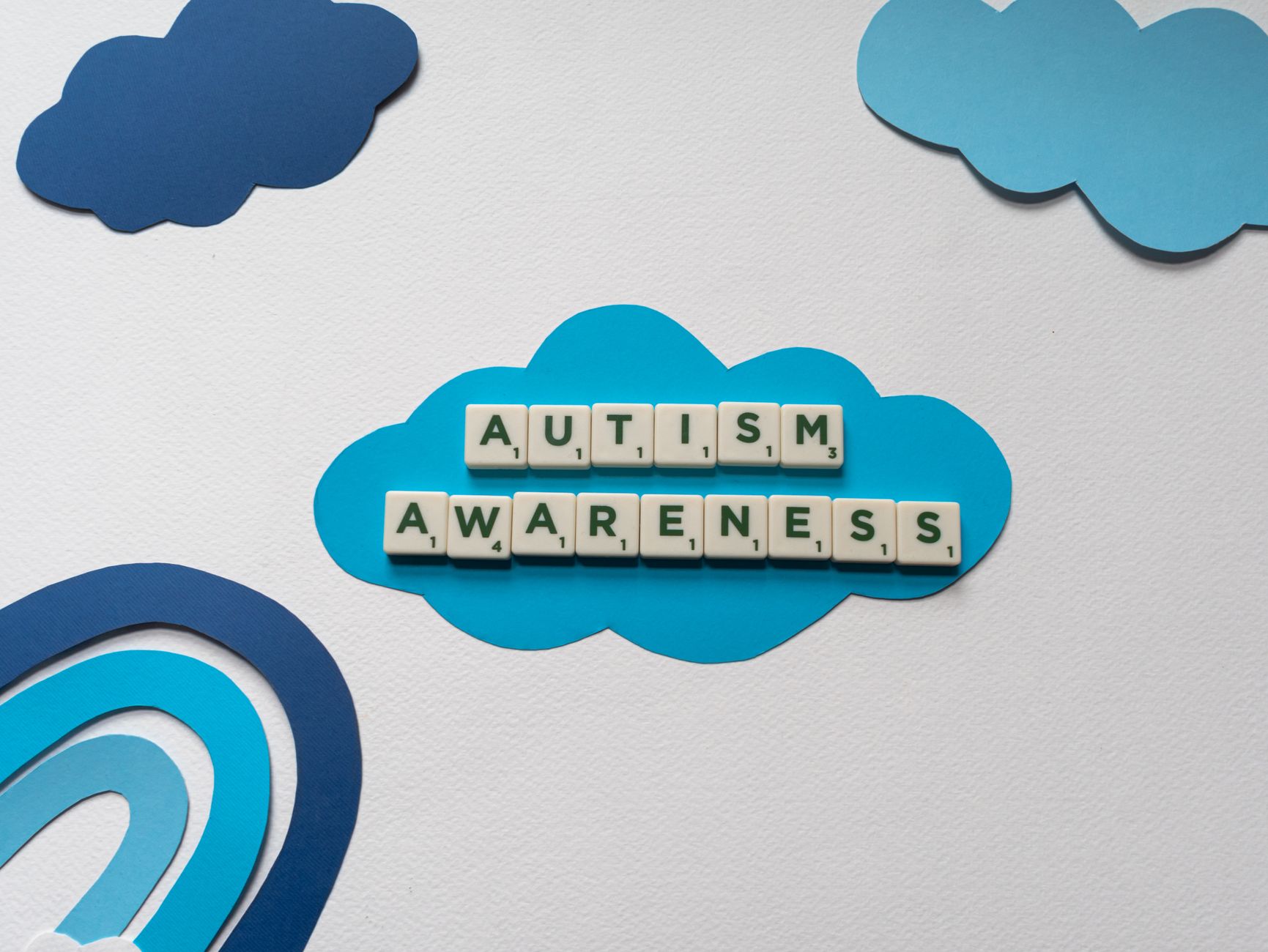
The Connection Between Joint Hypermobility and Autism In recent years, there has been growing interest in the relationship between joint hypermobility and neurodivergent conditions, particularly Autism Spectrum Disorder (ASD). While not all individuals with hypermobile joints are neurodivergent, and not all autistic individuals have hypermobile joints, research indicates a significant link between the two. Understanding this connection can help in better diagnosis, management, and support for affected individuals. What is Joint Hypermobility? Joint hypermobility, often referred to as being "double-jointed" or having "loose joints," occurs when the ligaments that support your joints are more flexible than usual. This allows your joints to move beyond their normal range of motion. While it can be a harmless trait for many, it can sometimes lead to discomfort, pain, and other issues, especially when it affects multiple joints or causes symptoms. This is known as symptomatic generalized joint hypermobility (GJH). What is Autism Spectrum Disorder (ASD)? Autism Spectrum Disorder (ASD) is a complex neurological and developmental condition that affects how a person communicates, interacts with others, learns, and behaves. It is typically diagnosed in childhood, and its presentation can vary widely from person to person, hence the term "spectrum." Early signs can include challenges with social interaction, communication delays, and repetitive behaviors or intense interests. The Link: Hypermobility and Neurodivergence Several studies have highlighted a higher prevalence of joint hypermobility among neurodivergent individuals, including those with ASD. A 2021 study revealed that neurodivergent individuals were more than twice as likely to experience symptomatic GJH compared to the general population, with females showing a greater predisposition to hypermobility than males. The exact reasons for this connection are not yet fully understood, but it is believed to involve the body's connective tissues. Connective tissues are the biological "glue" that holds the body's cells together, providing structure and support to muscles, bones, blood vessels, and internal organs. Both ASD and hypermobility conditions may share underlying factors related to the development and function of these crucial tissues. Physical Manifestations in Autism Beyond the core social and communication differences, individuals with ASD may also exhibit certain physical characteristics. These can include: Clumsiness or difficulties with motor control (gross and fine motor skills). Sensory hypersensitivity (being over- or under-sensitive to sights, sounds, smells, tastes, or touch). Repetitive movements or stimming. And, as discussed, hypermobile joints. Hypermobile joints in autistic individuals can contribute to motor challenges and an increased risk of joint injuries. While hypermobility itself may not always be painful, when combined with other factors, it can exacerbate physical discomfort and functional difficulties. Types of Hypermobility Conditions There are various forms of joint hypermobility, with some being more closely associated with ASD. These include: Hypermobility Spectrum Disorders (HSDs): These are a group of genetic connective tissue disorders that primarily affect the joints and ligaments. Ehlers-Danlos Syndromes (EDS): This is a group of inherited disorders that affect the body's connective tissues. Symptoms can vary widely but often include joint hypermobility, skin hyperextensibility, and tissue fragility. It's important to note that not all hypermobility is symptomatic or indicative of a specific disorder. Many people are hypermobile without experiencing pain or significant functional limitations. Overlapping Characteristics Hypermobility conditions and ASD can share several overlapping characteristics, which may contribute to the observed association: Motor Difficulties: Both conditions can involve challenges with coordination, balance, and fine or gross motor skills. Sensory Processing Differences: Individuals with hypermobility may also experience sensory sensitivities, similar to those seen in ASD. Chronic Pain: Symptomatic hypermobility can lead to chronic joint pain, which can impact overall well-being and daily functioning. Anxiety and Mental Health: Living with chronic pain or managing the challenges associated with either condition can contribute to increased anxiety and other mental health concerns. Research and Understanding While the link is established, the precise mechanisms are still under investigation. Researchers are exploring how genetic factors, connective tissue development, and neurological pathways might intersect to influence both hypermobility and neurodivergence. Studies suggest that symptomatic GJH plays a more significant role in this connection than asymptomatic hypermobility. Contributing to Research For individuals who are autistic or neurodivergent and experiencing symptoms related to joint mobility or other physical manifestations, contributing to scientific understanding is crucial. Participating in clinical trials or surveys can help researchers gather valuable data. If you are interested, you can explore opportunities on platforms like ClinicalTrials.gov. However, it is essential to discuss participation in any clinical trial with your primary healthcare professional, especially if it might affect your current treatment plans. When to Consult a Doctor If you or your child experiences any of the following, it is advisable to consult a healthcare professional: Frequent joint pain or stiffness. Joints that frequently dislocate or feel "loose." Noticeable difficulties with motor skills, coordination, or balance. Concerns about developmental milestones, social interaction, or communication. If you suspect you or your child might have hypermobility or ASD. A doctor can perform a physical examination, assess joint flexibility, and recommend further evaluations or specialist consultations if needed. Early diagnosis and intervention can significantly improve outcomes and quality of life. Prevention and Management While hypermobility itself is often a genetic trait and cannot be "prevented," managing its symptoms and associated risks is possible. For individuals with ASD and hypermobility: Physical Therapy: A physiotherapist can provide tailored exercises to strengthen muscles around the joints, improve stability, and reduce the risk of injury. Occupational Therapy: This can help with motor skill development, sensory integration, and
In summary, timely diagnosis, evidence-based treatment, and prevention-focused care improve long-term health outcomes.