Living with Multiple Sclerosis (MS) can present unique challenges, and for many, stress is a significant factor that can impact their daily lives and overall well-being. It's natural to wonder if there's a connection between the stress we experience and the progression or severity of MS symptoms. This article aims to explore the current understanding of how stress might affect individuals with MS, offering practical insights and coping strategies for managing this complex relationship.
What is Multiple Sclerosis (MS)?
Before diving into the stress connection, let's briefly recap what MS is. MS is an autoimmune disease. In this condition, your immune system, which is normally designed to fight off harmful invaders like viruses and bacteria, mistakenly attacks the myelin. Myelin is the protective coating that surrounds your nerve fibers. This damage to the myelin can disrupt the communication between your brain and the rest of your body, leading to a wide range of symptoms.
The Potential Link Between Stress and Autoimmune Diseases
The idea that stress might play a role in autoimmune diseases, including MS, is an area of ongoing research. Some studies suggest a possible connection. For example, a study from 2018 indicated that individuals who experienced stress-related conditions were more likely to develop an autoimmune disease. While this hints at a relationship, it's important to remember that more research is needed to fully understand the mechanisms involved. Scientists are looking closely at how chronic stress might influence the immune system's behavior.
How Stress Can Worsen MS Symptoms
Research has begun to shed light on how stress might directly impact individuals with MS. A small study conducted in 2020 found that experiencing stress could contribute to a worsening of disease progression in people with MS. This means that periods of high stress might make existing MS symptoms more severe or lead to the development of new ones.
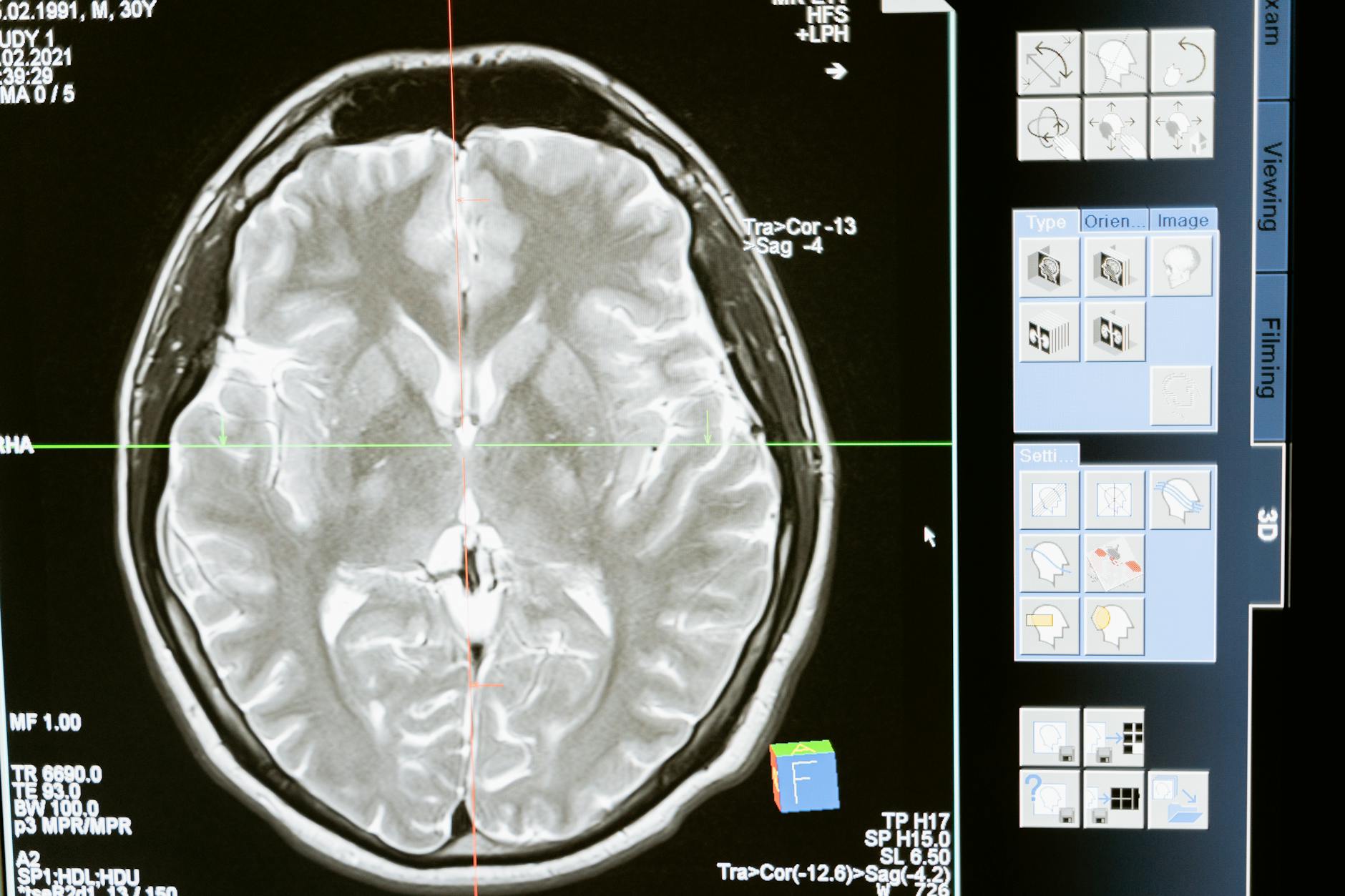
Further investigation in 2013 explored the effects of different types of stressful events. Researchers distinguished between negative stress, which they defined as a threat to a person or their family, and positive stress, such as major life changes like a new job or moving. The findings were significant: periods of negative stress were associated with more brain lesions, which are areas of damage in the nervous system visible on an MRI. Interestingly, positive stress events did not show the same association with increased lesions.
Understanding MS Flares and Stress Triggers
An MS flare, also known as an exacerbation or relapse, is a period when MS symptoms worsen or new symptoms appear and last for at least 24 to 48 hours. While the exact triggers for MS flares can vary from person to person, stress is frequently identified as a potential contributing factor. When you're already managing the daily challenges of MS, the added burden of stress can feel overwhelming and may increase the likelihood of experiencing a flare.
What is Stress, Anyway?
Everyone experiences stress from time to time. It's a natural human response to situations where we perceive a threat to our safety or our way of life. Our bodies react with a
What This Means In Daily Life
Most people do not notice early warning signs right away. That is common. A simple symptom diary, basic routine checks, and timely follow-up visits can prevent small problems from becoming serious.
If you are already on treatment, stay consistent with medicines and lifestyle advice. If your symptoms change, do not guess. Check with a qualified doctor and update your plan early.
Simple Action Plan
Write down symptoms, triggers, and timing for a few days.
Carry old prescriptions and test reports to your consultation.
Ask clearly about side effects, red-flag signs, and follow-up dates.
Seek urgent care for severe pain, breathing trouble, bleeding, fainting, or sudden worsening.