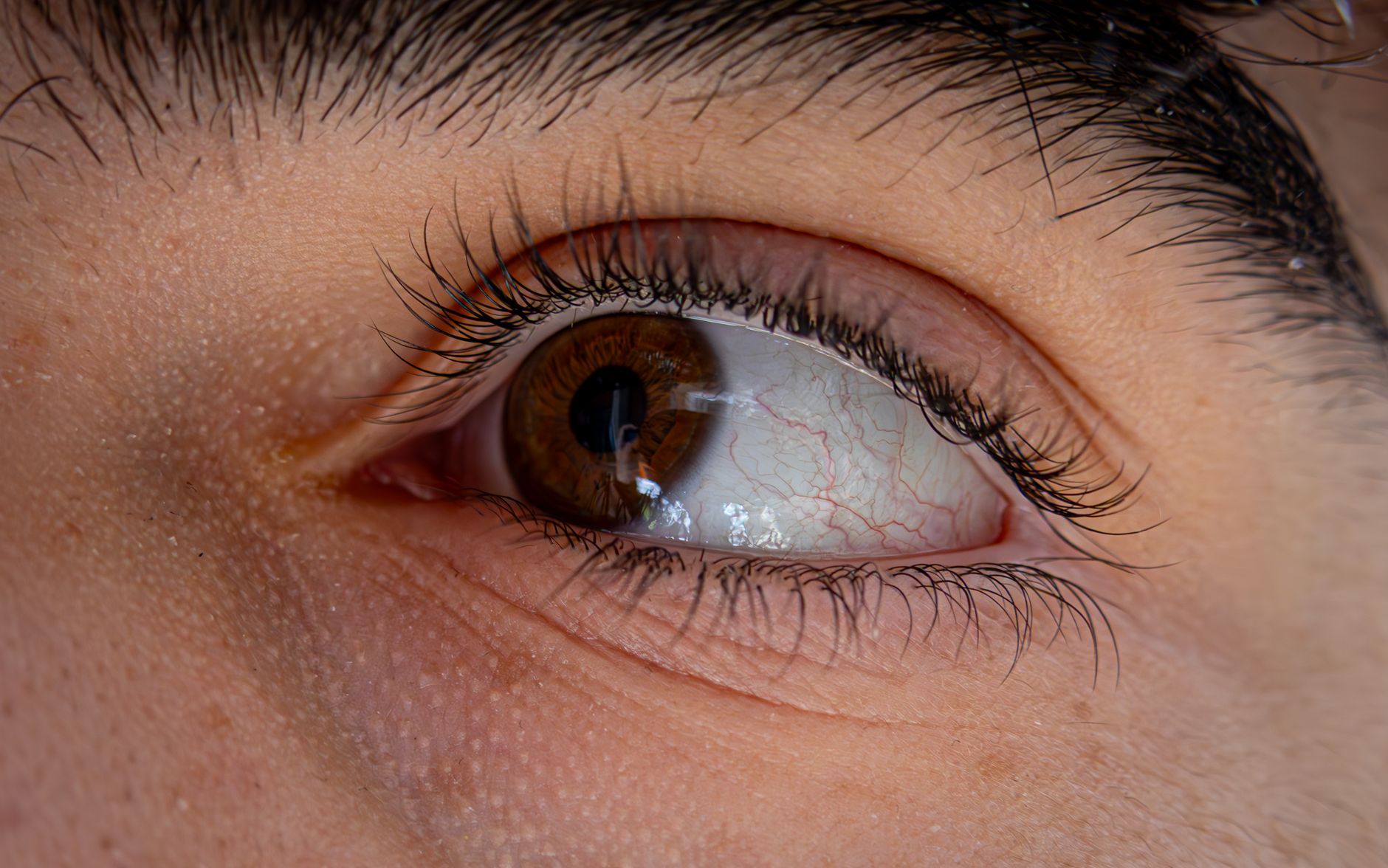
Have you noticed prominent, blueish veins on your eyelids and wondered what's causing them? It's a common concern, and the good news is that veiny eyelids are usually harmless. They typically don't affect your vision or overall health, but they can be a cosmetic worry for some. In this guide, we'll explore the various reasons why these veins might appear, discuss effective treatment options, and share tips on prevention. We aim to provide clear, practical information for our readers in India, helping you understand this condition better.
What Exactly Are Veiny Eyelids?
Veiny eyelids occur when the veins beneath the delicate skin of your eyelids become more visible, appearing to protrude or stand out. While they might catch your attention, it's important to remember they are generally a cosmetic issue, not a sign of a serious health problem.
Common Culprits Behind Prominent Eyelid Veins
Several factors can contribute to the appearance of veiny eyelids. Understanding these causes is the first step towards managing them.
Aging Skin: Loss of Collagen and Elasticity
As we get older, especially after our 30s, our skin naturally undergoes changes. It starts to lose collagen and elasticity, the building blocks that keep our skin firm and plump. This natural aging process makes the skin thinner. Since the skin around the eyes is already one of the thinnest areas on our body, this further thinning can make the underlying veins much more noticeable.
Sun Exposure: The Unseen Damage
Excessive exposure to the sun's harmful ultraviolet (UV) rays is a major contributor to skin damage, and the eye area is particularly vulnerable. Often, we protect our face but forget to shield our eyelids. Prolonged sun exposure can damage the skin and the blood vessels, leading to veins becoming more prominent. You might also notice other signs of sun damage like fine lines, wrinkles, and uneven skin tone around your eyes.
Genetics: It Runs in the Family
Sometimes, the tendency to have more visible veins is simply inherited. If your parents or close relatives have prominent veins on their eyelids, you might be more likely to develop them too. This is due to genetic factors that influence the structure and visibility of your veins.
Lifestyle Factors: Habits That Matter
Your daily habits can also play a role:
- Excessive Screen Time and Poor Lighting: Spending long hours in front of screens, especially in dimly lit environments, can strain your eyes. This strain might indirectly affect the blood vessels around your eyes.
- Rubbing Your Eyes: We often rub our eyes when they feel tired or itchy. Doing this too often or too vigorously can damage the tiny blood vessels (capillaries) in your eyelids, making them break and appear more noticeable.
- Smoking: Smoking damages blood vessels throughout the body, including those in the delicate eyelid area, potentially making them more prominent.
Venous Insufficiency: When Veins Struggle
Venous insufficiency is a condition where the valves within your veins, which normally ensure blood flows in one direction (towards the heart), become weakened or damaged. This can cause blood to pool and put pressure on the vein walls, leading them to stretch and enlarge. While more common in leg veins, it can affect veins elsewhere, including the eyelids.
High Blood Pressure (Hypertension): An Underlying Concern
Uncontrolled high blood pressure can lead to increased inflammation in the body, which can also affect the blood vessels in your eyelids. Over time, this can contribute to their increased visibility.
Treating Veiny Eyelids: Options Available
While veiny eyelids are usually not a health risk, if they cause you cosmetic distress, several treatment options are available. It's important to consult with a qualified medical professional, such as a dermatologist or an ophthalmologist, to determine the best approach for you. Medical insurance typically does not cover these cosmetic procedures, but many clinics offer payment plans.
Endovenous Laser Ablation (EVLA)
EVLA is a minimally invasive procedure that uses laser energy to close off and shrink unwanted veins. A thin electrode is inserted into the vein, and laser energy heats and seals it. This is a clinically proven method for leg varicose veins and can be adapted for eyelid veins.
- Procedure: Performed under local anesthesia.
- Recovery: Minimal downtime. You might need bandages over your eyes.
- Effectiveness: Multiple sessions may be needed.
- Potential Side Effects: Slight pain, swelling. Scarring is rare.
Intense Pulsed Light (IPL) Therapy
IPL uses broad-spectrum light pulses to target and damage the veins beneath the skin's surface without harming the outer layer (epidermis). It's a type of laser therapy that can be effective for smaller veins.
- Procedure: Non-invasive, may require multiple sessions spaced weeks apart.
- Effectiveness: Good for superficial veins.
- Potential Side Effects: Bruising, redness, temporary pain. May not be ideal for very sensitive skin or those prone to sunburn. Scarring or hyperpigmentation can occur.
Sclerotherapy
Sclerotherapy involves injecting a special solution directly into the vein. This solution irritates the vein lining, causing it to collapse, seal off, and eventually fade away. It's a common treatment for spider veins and smaller varicose veins.
- Procedure: Injection-based.
- Effectiveness: Works well for smaller, isolated veins.
- Potential Side Effects: Temporary bruising, swelling, or discomfort at the injection site.
Note on Costs: The cost of these procedures can vary significantly based on your location, the clinic, and the number of sessions required. For instance, EVLA might average around $1,525 nationally, but eyelid treatments could be less. IPL sessions typically range from $300 to $600, and sclerotherapy sessions might average around $343.
Preventing Veiny Eyelids: Proactive Steps
While you can't change your genetics or stop the aging process, you can take steps to minimize the appearance of veiny eyelids and prevent them from worsening:
- Consistent Sun Protection: Always wear sunglasses that offer UV protection when outdoors. Consider wearing a wide-brimmed hat for extra shade. Using a broad-spectrum sunscreen around the eye area (if tolerated and suitable for your skin type) can also help.
- Healthy Lifestyle Choices: Maintain a balanced diet, stay hydrated, avoid smoking, and limit alcohol consumption. These habits support overall vascular health.
- Manage Screen Time: Take regular breaks when using digital devices. Follow the 20-20-20 rule: every 20 minutes, look at something 20 feet away for at least 20 seconds. Ensure your workspace is adequately lit.
- Avoid Eye Rubbing: If your eyes feel itchy or irritated, try using lubricating eye drops or a cool compress instead of rubbing.
- Monitor Blood Pressure: If you have high blood pressure, work closely with your doctor to keep it well-managed.
When to Consult a Doctor
While veiny eyelids are usually benign, it's wise to consult a doctor if:
- The veins appear suddenly and are very prominent.
- You experience pain, swelling, redness, or changes in your vision along with the veiny appearance.
- You are concerned about the cosmetic appearance and want to explore treatment options.
A healthcare professional can rule out any underlying medical conditions and discuss the most appropriate treatment plan for your specific needs.
Frequently Asked Questions (FAQ)
Are veiny eyelids a sign of a serious health problem?
In most cases, no. Veiny eyelids are typically a cosmetic concern related to skin thinning, aging, sun exposure, or vein structure. However, if accompanied by pain, swelling, or vision changes, it's important to see a doctor.
Can I get rid of veiny eyelids permanently?
Treatments like EVLA, IPL, and sclerotherapy can significantly reduce the appearance of veiny eyelids. However, since aging and sun exposure are ongoing factors, new veins might appear over time, and maintenance treatments might be necessary for long-term results.
Are home remedies effective for veiny eyelids?
There are no scientifically proven home remedies that can effectively eliminate prominent veins on the eyelids. While cold compresses might temporarily reduce swelling, they won't address the underlying veins. It's best to rely on medical treatments for visible vein reduction.
How long does it take to see results after treatment?
Results vary depending on the treatment method and the individual. Some improvements may be noticeable after the first session, but multiple sessions are often required. It can take several weeks to months to see the full results as the veins fade and the skin heals.