Understanding Vision Loss: A Comprehensive Guide for Indian Readers
Vision loss, whether partial or complete, can significantly impact an individual's life. In India, where a large population faces various health challenges, understanding vision loss is crucial. This guide aims to provide clear, practical information about the causes, symptoms, diagnosis, treatment options, and available support systems for vision loss, tailored for an Indian audience.
What is Vision Loss?
Vision loss refers to a decreased ability to see that cannot be corrected with glasses or contact lenses. It can range from mild blurring to complete blindness. According to global estimates, millions of people worldwide experience vision loss, and a significant portion of these cases are preventable or treatable. In India, factors like diabetes, age-related macular degeneration, cataracts, and uncorrected refractive errors contribute to a substantial burden of visual impairment.
Common Causes of Vision Loss in India
Several conditions can lead to vision loss. Understanding these causes is the first step towards prevention and timely intervention:
- Cataracts: The clouding of the eye's natural lens, leading to blurred or hazy vision. It is one of the leading causes of reversible blindness globally and in India.
- Refractive Errors: Conditions like myopia (nearsightedness), hyperopia (farsightedness), and astigmatism, if uncorrected, can cause significant vision impairment.
- Diabetic Retinopathy: A complication of diabetes that affects the blood vessels in the retina. Poorly managed diabetes is a major concern in India.
- Glaucoma: A group of eye conditions that damage the optic nerve, often due to high intraocular pressure. It can lead to irreversible vision loss if not treated early.
- Age-Related Macular Degeneration (AMD): A condition that affects the central part of the retina, causing loss of central vision. It is more common in older adults.
- Infections and Inflammations: Various eye infections and inflammatory conditions can damage eye structures and impair vision.
- Injuries: Trauma to the eye, whether accidental or intentional, can result in vision loss.
Symptoms of Vision Loss
Recognizing the symptoms is vital for early detection. Some common signs include:
- Blurred or cloudy vision
- Difficulty seeing in low light
- Seeing flashes of light or floaters
- Double vision
- Loss of peripheral (side) vision
- Sudden or gradual loss of vision in one or both eyes
- Eye pain or redness
Diagnosis of Vision Loss
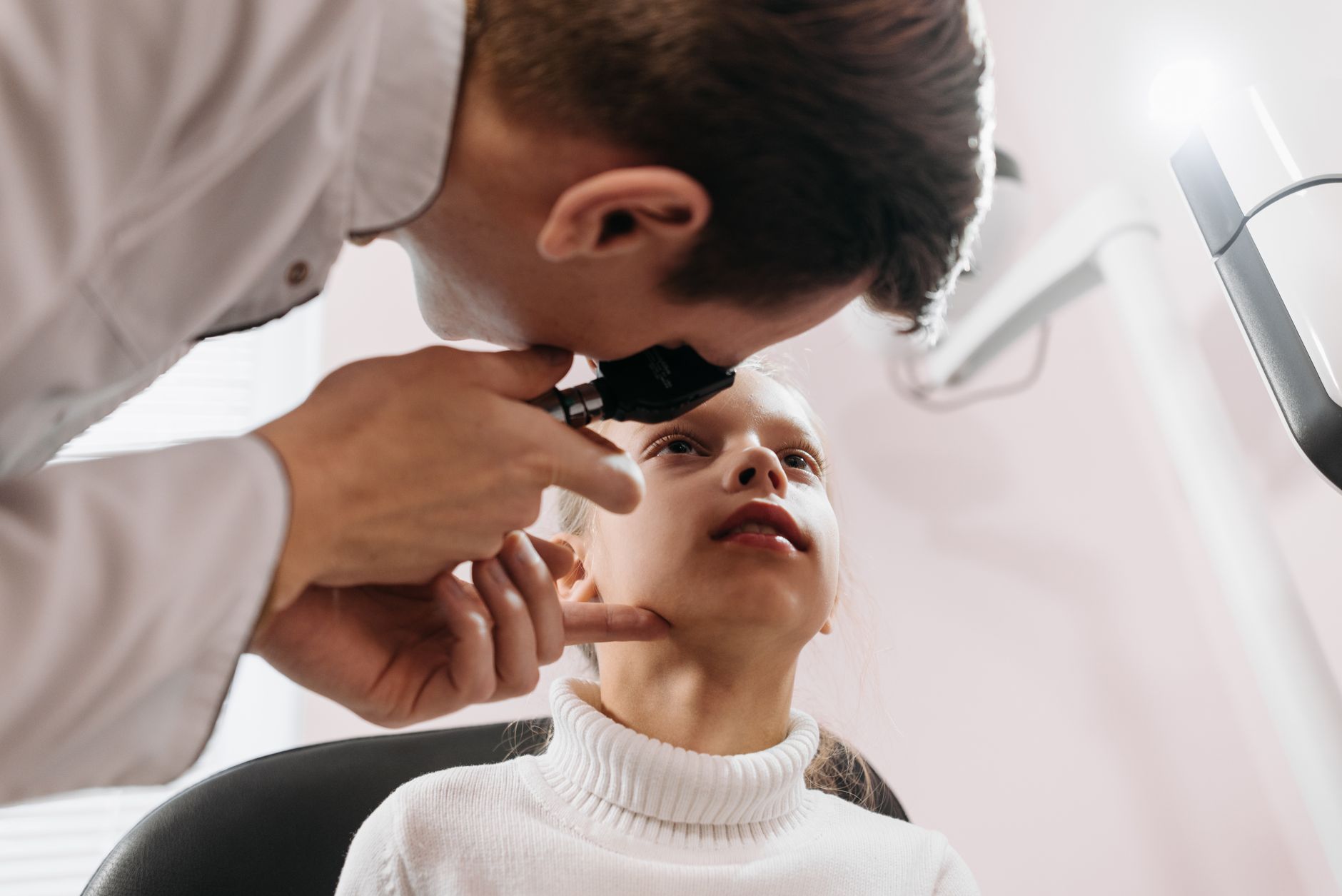
A comprehensive eye examination by an ophthalmologist is essential for diagnosing the cause of vision loss. This may include:
- Visual Acuity Test: To measure how clearly you can see at various distances.
- Eye Muscle Movement Test: To check for proper eye coordination.
- Visual Field Test: To assess peripheral vision.
- Slit-Lamp Examination: To view the eye's structures under magnification.
- Retinal Examination: To check the health of the retina and optic nerve.
- Tonometry: To measure eye pressure, crucial for diagnosing glaucoma.
Based on the initial findings, further tests like optical coherence tomography (OCT) or fluorescein angiography might be recommended.
Treatment Options for Vision Loss
Treatment for vision loss depends heavily on the underlying cause. Early diagnosis and intervention can often prevent further deterioration or even restore some vision.
- Cataract Surgery: A highly effective procedure to replace the clouded lens with an artificial one.
- Medications: Eyedrops or oral medications can manage conditions like glaucoma and inflammation.
- Laser Procedures: Used to treat diabetic retinopathy, retinal tears, and certain types of glaucoma.
- Injections: Intravitreal injections can help manage conditions like wet AMD and diabetic macular edema.
- Surgery: Besides cataract surgery, other surgical interventions may be necessary for specific conditions.
- Corrective Lenses: Glasses and contact lenses can correct refractive errors.
Vision Rehabilitation and Aids
For individuals with irreversible vision loss, vision rehabilitation plays a crucial role in maintaining independence and quality of life. This involves:
- Low Vision Specialists: Professionals who help adapt to vision loss and provide strategies for daily living.
- Assistive Devices:
- Magnifiers: Handheld or electronic magnifiers to enlarge text and objects.
- Telescopes: Small telescopes for distance viewing.
- Specialized Software: Screen readers and magnification software for computers and mobile devices.
- Tactile Markers: To differentiate objects like pill bottles.
- Large Print and High-Contrast Items: For reading and writing.
- Occupational Therapy (OT): OTs can teach visual exercises to improve focus, adapt to lost visual fields, and optimize home environments for safety and ease of use. They can also provide mobility training for safe navigation outside the home.
Preventing Vision Loss
Prevention is key, especially for conditions like diabetic retinopathy and glaucoma. Key preventive measures include:
- Regular Eye Check-ups: Especially important for individuals with diabetes, a family history of eye diseases, or those over 40.
- Managing Chronic Conditions: Strict control of blood sugar levels for diabetics and blood pressure for hypertensive individuals.
- Eye Protection: Wearing protective eyewear during sports or hazardous activities.
- Healthy Lifestyle: A balanced diet rich in antioxidants, regular exercise, and avoiding smoking.
- Awareness: Educating yourself and your family about eye health.
Support Systems in India
Living with vision loss can be challenging, but numerous organizations and resources in India offer support:
- Non-Governmental Organizations (NGOs): Many NGOs work towards providing eye care, rehabilitation services, and support to visually impaired individuals across India.
- Government Programs: Various government initiatives aim to provide accessible eye care and assistive devices.
- Support Groups: Connecting with others who have similar experiences can provide emotional support and practical advice.
When to Consult a Doctor
It is crucial to consult an eye specialist (ophthalmologist) immediately if you experience any of the following:
- Sudden changes in vision
- Severe eye pain
- Persistent redness or discharge from the eye
- Seeing flashes of light or a sudden increase in floaters
- Any other concerning changes in your eyesight
Disclaimer: This article provides general information and should not be considered medical advice. Always consult with a qualified healthcare professional for any health concerns or before making any decisions related to your health or treatment.
Additional Medical Guidance
This section adds practical context and preventive advice to help readers make informed healthcare decisions. It is important to verify symptoms early, consult qualified doctors, and avoid self-medication for persistent health issues.
Maintaining healthy routines, following prescribed treatment plans, and attending regular checkups can improve outcomes. If symptoms worsen or red-flag signs appear, immediate medical evaluation is recommended.
Quick Checklist
Track symptoms and duration.
Follow diagnosis and treatment from a licensed practitioner.
Review medication side effects with your doctor.
Seek urgent care for severe warning signs.