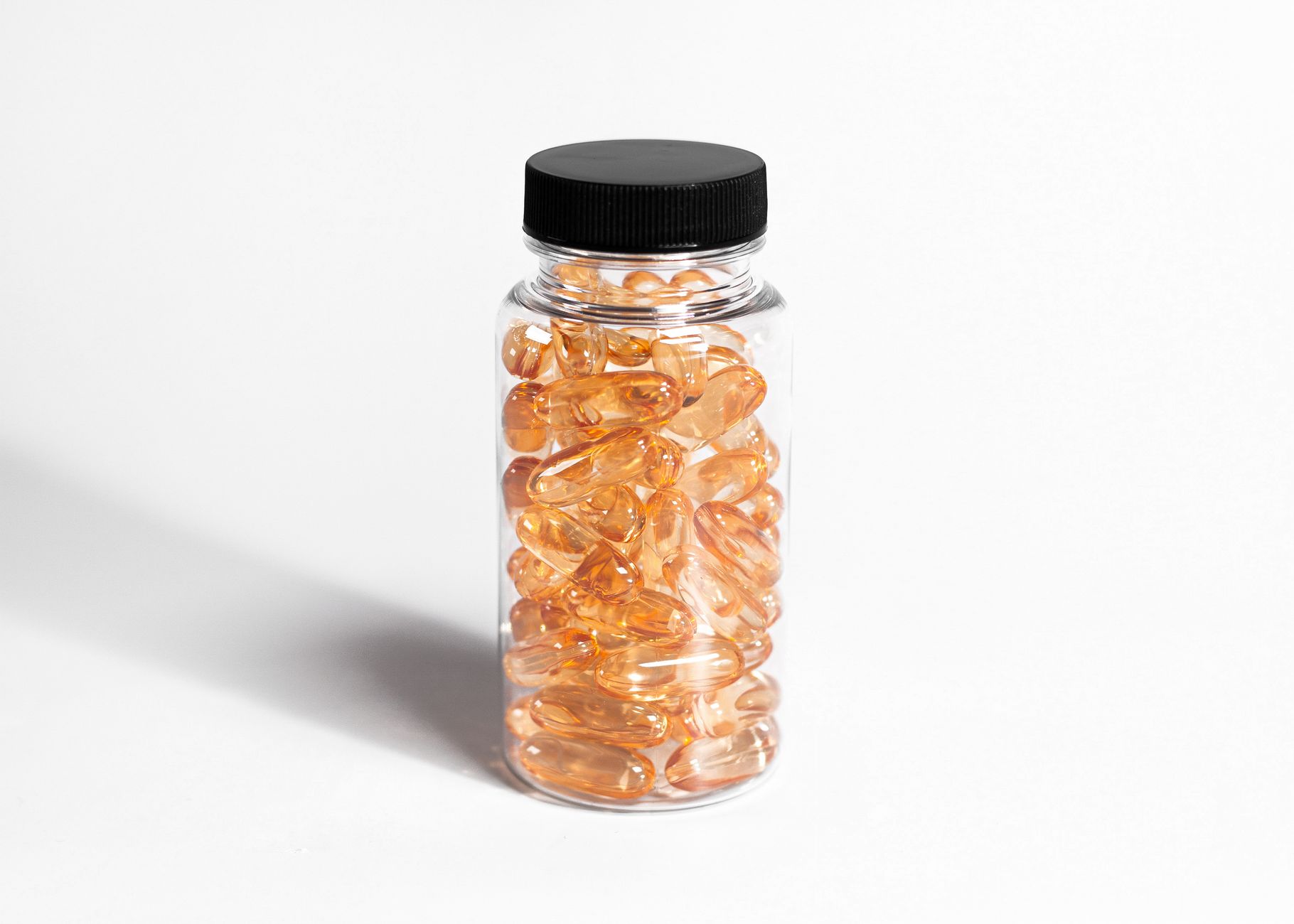
Can Vitamin E Really Help Clear Up Acne? Let's Find Out!
Acne is a common skin concern that affects millions in India and around the world. While many treatments exist, people are always on the lookout for natural or readily available solutions. One such ingredient that often comes up in discussions about skin health is Vitamin E. You might have heard that it can help with acne, or perhaps you've seen it in skincare products. But what's the real story? Is Vitamin E a miracle cure for pimples, or could it actually make things worse? In this article, we’ll explore what the science says about Vitamin E and its role in treating acne, focusing on practical advice for Indian readers.
Understanding Vitamin E's Role in Skin Health
Vitamin E is a powerful antioxidant. Think of antioxidants as your body's defence team, fighting off harmful molecules called free radicals. These free radicals can damage your cells, and this damage can contribute to aging and inflammation. Vitamin E, particularly its form known as alpha-tocopherol, is known for its anti-inflammatory properties. This means it can help calm down redness and swelling, which are key features of inflammatory acne – the kind that looks like red, painful bumps and pustules.
Because of its anti-inflammatory and cell-regenerating abilities, it's theorised that Vitamin E could potentially help with acne. It might aid in repairing damaged skin and reducing the inflammation associated with breakouts. However, the research specifically on Vitamin E as a standalone acne treatment is still quite limited.
What Does the Research Say About Vitamin E and Acne?
The scientific evidence linking Vitamin E directly to acne treatment is mixed and often comes with caveats. Let’s look at some findings:
- Studies Combining Ingredients: Some studies have shown positive results when Vitamin E was used as part of a multi-ingredient treatment. For example, one study found that a topical treatment containing Vitamin E, zinc, and lactoferrin helped improve severe acne in adults over three months. Another study combined Vitamins A and E, also showing benefits for acne. The challenge here is that it’s hard to pinpoint whether Vitamin E alone was responsible for the improvements or if it was the combination of ingredients working together.
- Topical vs. Oral Vitamin E: When it comes to acne, applying Vitamin E directly to the skin (topically) seems to hold more promise than taking Vitamin E supplements orally. While getting enough Vitamin E from your diet is essential for overall skin health, studies haven't shown that supplements directly clear up acne in the same way topical treatments might.
- Need for More Research: Most experts agree that more robust, large-scale studies are needed to definitively prove how effective Vitamin E is for treating acne, and whether it’s better than or comparable to established acne treatments.
How to Use Vitamin E for Acne (Safely)
If you're considering trying Vitamin E for your acne, it's crucial to do so cautiously. Here’s how:
Topical Application:
Vitamin E is commonly found in skincare products as oils, serums, or creams. When looking for products:
- Look for Formulations with Other Acne-Fighting Ingredients: Many topical Vitamin E products also contain other beneficial ingredients like Vitamin A (retinoids) or Vitamin C, which are known for their acne-fighting and skin-brightening properties. These can help with both active breakouts and post-acne marks.
- Spot Treatments: For active pimples, a spot treatment containing Vitamin E might be an option.
- Dilute Pure Vitamin E Oil: If you opt for pure Vitamin E oil, never apply it undiluted to your skin. Mix a couple of drops of pure Vitamin E oil with a tablespoon of a lightweight carrier oil, such as jojoba oil or rosehip oil. This helps prevent potential irritation and ensures better absorption.
Dietary Sources of Vitamin E:
Ensuring you get enough Vitamin E through your diet is excellent for your overall health and skin. Good sources include:
- Almonds
- Sunflower seeds
- Hazelnuts
- Spinach and other leafy green vegetables
- Avocado
- Olive oil
Potential Downsides and Risks of Using Vitamin E for Acne
While Vitamin E has potential benefits, it’s not without risks, especially when used improperly:
- Clogged Pores: Oil-based Vitamin E products, especially pure oils or heavy creams, can potentially clog pores, particularly if you have oily or acne-prone skin. This can lead to more breakouts.
- Irritation: Applying undiluted pure Vitamin E oil can sometimes cause skin irritation or allergic reactions in some individuals.
- Not a Standalone Solution: Relying solely on Vitamin E might delay seeking more effective treatments for moderate to severe acne.
When to Consult a Doctor or Dermatologist
It’s always wise to speak with a healthcare professional, especially a dermatologist, about your acne concerns. Consider seeing a dermatologist if:
- Your acne is severe or painful.
- Your acne is leaving scars or dark spots.
- You have tried several over-the-counter treatments without success.
- You are considering using Vitamin E supplements or high-concentration topical treatments.
A dermatologist can properly diagnose your acne type and recommend the most effective treatment plan tailored to your skin. They can also advise on whether Vitamin E, in any form, is appropriate for you. Remember, it's generally recommended to give any new skincare treatment at least 4 weeks to show results, as this allows for a full skin cell regeneration cycle.
Vitamin E and Your Diet: The Recommended Intake
For adults, the recommended daily intake of Vitamin E is around 15 milligrams (mg). Breastfeeding women may need slightly more, about 19 mg per day. It’s best to meet these needs through a balanced diet. Your doctor might suggest supplements only if a blood test confirms a deficiency or if your dietary intake is consistently insufficient.
Common Myths vs. Facts About Vitamin E for Acne
Myth: Vitamin E oil is a guaranteed cure for all types of acne.
Fact: The evidence is not conclusive. While it may help some inflammatory acne, it's not a universal cure and can potentially worsen acne for some, especially if the product is too oily.
Myth: Taking Vitamin E supplements will clear up your acne.
Fact: Oral Vitamin E supplements are primarily for addressing deficiencies and overall health. Topical application is more directly linked to potential skin benefits for acne, though more research is needed.
A Real-Life Scenario
Rina, a 22-year-old student in Mumbai, struggled with persistent red, inflamed pimples on her cheeks. She read online that Vitamin E oil could help. She bought a pure Vitamin E oil and started applying it directly to her pimples every night. After a week, her skin felt greasier, and she noticed a few new pimples appearing. This is a common situation where a product, though well-intentioned, might not suit an individual’s skin type or is being used incorrectly.
The Bottom Line: A Cautious Approach
Vitamin E possesses anti-inflammatory properties that theoretically could benefit acne. However, the scientific proof for its effectiveness as a primary acne treatment is still developing. If you choose to try it, opt for well-formulated topical products that may include other acne-fighting ingredients, or dilute pure Vitamin E oil with a carrier oil. Always patch-test new products and listen to your skin. For stubborn or severe acne, consulting a dermatologist remains the most reliable path to clear skin.
Frequently Asked Questions (FAQs)
Q1: Can I apply pure Vitamin E oil directly to my acne?
It’s generally not recommended to apply pure Vitamin E oil directly. It can be too concentrated and may clog pores or cause irritation. Always dilute it with a carrier oil like jojoba or almond oil.
Q2: Will Vitamin E help with acne scars?
Some people find that topical Vitamin E helps improve the appearance of acne scars and hyperpigmentation over time due to its antioxidant and potential wound-healing properties. However, results vary, and it works best when combined with other treatments for scars.
Q3: How long should I use Vitamin E before I see results for acne?
If you’re using it as part of a skincare routine, give it at least 4-6 weeks, as this is the typical timeframe for skin cell turnover and for seeing visible changes with new treatments.
Q4: Are there any alternatives to Vitamin E for acne treatment?
Yes, many effective treatments are available, including salicylic acid, benzoyl peroxide, retinoids (like adapalene or tretinoin), and prescription medications. A dermatologist can guide you to the best option for your specific needs.