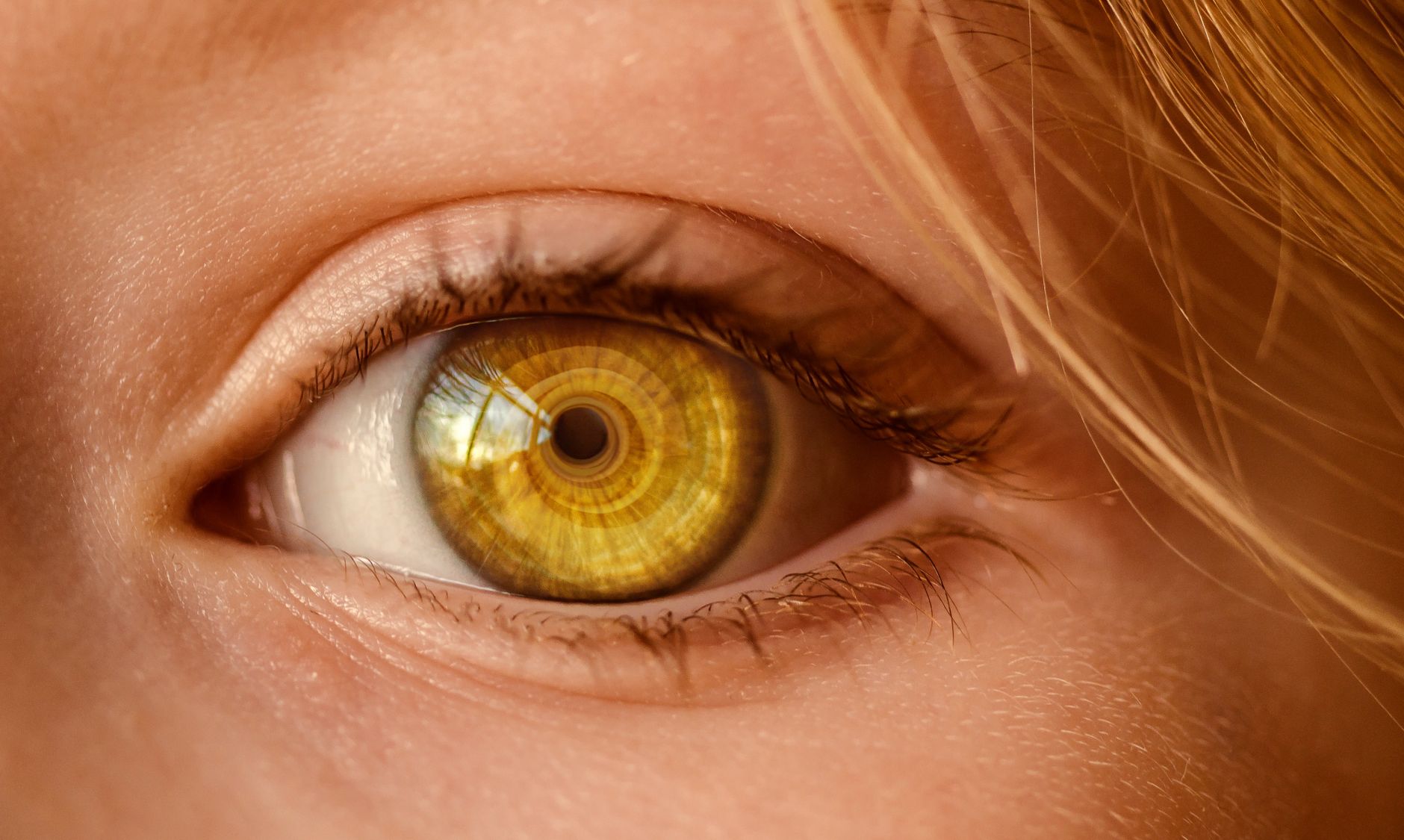
Wet age-related macular degeneration (AMD) is a serious eye condition that can significantly impact your vision. While it's primarily known for causing progressive vision loss, it can also lead to a peculiar symptom: visual hallucinations. These aren't the kind of hallucinations associated with mental health conditions; instead, they arise from the physical changes occurring in the eye due to wet AMD. This blog post will delve into the connection between wet AMD and visual hallucinations, explaining what they are, why they occur, and what you can do if you experience them. What is Age-Related Macular Degeneration (AMD)? Age-related macular degeneration (AMD) is a leading cause of vision loss, particularly in older adults. It affects the macula, a small part of the retina responsible for sharp, central vision, which is crucial for activities like reading, driving, and recognizing faces. There are two main types of AMD: Dry AMD: This is the more common form, affecting about 90% of people with AMD. It develops gradually as yellow deposits, called drusen, accumulate beneath the retina. Over time, these deposits can cause the macula to thin and break down. Wet AMD: Also known as neovascular AMD or exudative AMD, this form is less common but often more severe. It occurs when abnormal blood vessels grow under the retina and leak blood and fluid into the macula. This leakage can cause rapid and significant damage to the macula, leading to more severe vision loss than dry AMD. Wet AMD is often considered a late-stage condition and can sometimes develop from dry AMD. What are Visual Hallucinations? Visual hallucinations are experiences where you see things that are not actually present. These can range from simple shapes and patterns to complex images of people, animals, or scenes. It's important to distinguish these from hallucinations associated with psychological conditions like psychosis. In the context of eye conditions, visual hallucinations are a result of the brain trying to interpret faulty or missing visual information from the eyes. When your eyes are not functioning correctly, the signals sent to your brain can be misinterpreted. The brain then attempts to 'fill in the gaps' or make sense of the distorted input, leading to the perception of images that aren't real. This specific type of visual hallucination, occurring due to vision impairment without any psychological cause, is known as Charles Bonnet syndrome . Charles Bonnet Syndrome and AMD Charles Bonnet syndrome was named after a Swiss philosopher who described the condition in 1760 after observing it in his grandfather. It's a recognized phenomenon in individuals experiencing significant vision loss, and it's particularly noted in chronic eye conditions like AMD. Studies suggest that the prevalence of Charles Bonnet syndrome among people with AMD is around 15.8%. For those specifically diagnosed with wet AMD, the prevalence is reported to be about 7.2%. It's important to note that Charles Bonnet syndrome hallucinations typically occur at least a year after vision loss becomes severe. This suggests that the brain needs time to adapt to the reduced visual input before these hallucinations begin to manifest. How are Visual Hallucinations and Wet AMD Connected? The connection between wet AMD and visual hallucinations lies in the way the brain processes visual information. In wet AMD, the leakage of blood and fluid under the macula distorts the retinal tissue and disrupts the signals sent to the brain. This disruption can be so significant that the brain struggles to interpret the incoming data accurately. The Brain's Role: Your brain is constantly working to create a coherent picture of the world based on the information it receives from your eyes. When this information is incomplete or distorted, as is the case with wet AMD, the brain may try to compensate by generating its own visual input. This is how hallucinations can arise. Unlike hallucinations in psychosis, where there might be a disconnect from reality, individuals experiencing Charles Bonnet syndrome are often aware that the visions are not real, even if they appear very vivid. Neural Connectivity: While the exact mechanisms are still being researched, some studies, like a 2018 investigation, suggest that differences in neural connectivity within the brain might play a role in why some individuals with wet AMD develop hallucinations while others do not. The brain's ability to adapt and compensate for vision loss can vary from person to person. What Do Visual Hallucinations in Wet AMD Look Like? The appearance of visual hallucinations in wet AMD can vary greatly from person to person. There isn't a single, definitive look. However, some common characteristics and examples include: Distorted Lines: Straight lines may appear wavy or bent. Patterns and Shapes: You might see geometric patterns, grids, or abstract shapes. Colors: Vivid colors or flashes of light can occur. People and Faces: Sometimes, people may see faces or entire figures, which can be surprisingly detailed. Movement: The hallucinations might be stationary or appear to be in motion, like watching a parade or a flowing stream. These images can be incredibly realistic, making it difficult to distinguish them from actual sights. They can be simple or complex, and while they are often not disturbing, they can be unsettling for some individuals. The key differentiator from psychotic hallucinations is the awareness that these visions are not real. Diagnosis of Wet AMD and Visual Hallucinations Diagnosing wet AMD typically involves a comprehensive eye examination by an ophthalmologist. This may include: Visual Acuity Test: To measure how well you can see at various distances. Dilated Eye Exam: Drops are used to widen the pupils, allowing the doctor to get a better view of the retina and macula. Optical Coherence Tomography (OCT): This imaging test provides detailed cross-sectional views of the retina, helping to detect fluid or blood leakage characteristic of wet AMD. Fluorescein Angiography: A dye is injected into a vein in your arm, and a special camera photographs the blood vessels in your retina as the dye circulates, highlighting any abnormal leakage. If visual hallucinations are present, the doctor will assess your vision loss and medical history to determine if they are likely due to Charles Bonnet syndrome associated with AMD, rather than a psychological condition. The absence of other psychiatric symptoms and the clear correlation with vision impairment are key diagnostic indicators. Treatment and Management The primary goal of treatment for wet AMD is to stop or slow the leakage from abnormal blood vessels and preserve vision. Treatments often include: Anti-VEGF Injections: These medications are injected directly into the eye to block a protein called vascular endothelial growth factor (VEGF), which promotes the growth of abnormal blood vessels. This is the most common and effective treatment for wet AMD. Photodynamic Therapy (PDT): A light-sensitive drug is injected into the bloodstream, and then a laser is used to activate the drug in the abnormal blood vessels, sealing them off. Laser Surgery: In some cases, a laser can be used to destroy the abnormal blood vessels. Managing Visual Hallucinations: There is no specific medication to stop Charles Bonnet syndrome hallucinations. However, management strategies can help: Reassurance: Understanding that the hallucinations are a result of vision loss and not a sign of mental illness can be very comforting. Focusing Techniques: Shifting your gaze, closing your eyes briefly, or engaging in a distracting activity can sometimes make the hallucinations fade. Improving Lighting: Ensuring good lighting in your environment can sometimes reduce the intensity of hallucinations. Regular Eye Check-ups: Consistent monitoring and treatment of the underlying wet AMD are crucial. Prevention and When to Consult a Doctor While dry AMD is more common and progresses slowly, wet AMD can develop rapidly. There's no guaranteed way to prevent AMD, but certain lifestyle choices may help reduce the risk or slow its progression: Healthy Diet: A diet rich in fruits, vegetables, and omega-3 fatty acids may be beneficial. Not Smoking: Smoking is a significant risk factor for AMD. Protecting Eyes from UV Light: Wearing sunglasses that block UV rays can help. Managing Other Health Conditions: Controlling blood pressure and cholesterol levels is important for overall eye health. When to Consult a Doctor: Sudden Changes in Vision: If you experience any sudden blurring, distortion, or loss of central vision, seek immediate medical attention. New or Worsening Visual Hallucinations: If you start experiencing visual hallucinations or if they become more frequent or intense, discuss this with your eye doctor. Regular Eye Exams: Especially if you are over 65 or have a family history of AMD, regular comprehensive eye exams are essential for early detection and management. For older adults in need of eye care, resources like EyeCare America offer free comprehensive eye exams and follow-up care for eligible individuals over 65. Frequently Asked Questions (FAQ) 1. Are visual hallucinations from wet AMD dangerous? The hallucinations themselves are not typically dangerous, as they are a symptom of vision loss and not a sign of psychosis. However, the underlying wet AMD is a serious condition that can lead to significant vision loss if not treated. It's important to address both the hallucinations and the AMD.
In summary, timely diagnosis, evidence-based treatment, and prevention-focused care improve long-term health outcomes.