The thought of getting a dental filling can bring on a wave of anxiety for many people. The drill, the sounds, the sensation – it’s enough to make anyone a little nervous. But what if you’re wondering, "Will dental fillings hurt?" It’s a common question, and the honest answer is: sometimes, but usually not much, and often not at all. Let’s break down what influences discomfort during a filling procedure and how you can make the experience as smooth as possible.
Your dentist recommends a filling for a very good reason: to stop tooth decay and prevent more serious problems down the line. Left untreated, a cavity can progress, causing significant pain and potentially leading to infections or the need for more complex treatments like root canals or even tooth extraction. A filling essentially repairs the damage, restoring your tooth’s health and comfort.
A typical filling procedure involves removing the decayed part of your tooth and then filling the space with a special material. It sounds straightforward, but several factors can influence how comfortable you feel throughout the process.
What Makes a Dental Filling Feel Painful?
Several elements play a role in how much you might feel during a filling. Understanding these can help ease your worries:
- The Depth and Location of the Cavity: Small cavities on the surface of your tooth enamel are usually a breeze. They require minimal drilling and are far from your tooth’s sensitive inner pulp. However, if a cavity is deep and close to the pulp, where the nerves are located, you’re more likely to experience discomfort. Cavities on the root surfaces, especially if your gums have receded, can also be more sensitive because the root isn’t as protected as enamel.
- The Type of Filling Material: While the material itself doesn’t typically cause pain during placement, some materials might have different thermal conductivity, meaning they could transmit temperature changes to the tooth more readily, leading to temporary sensitivity after the procedure.
- Individual Pain Tolerance: We all experience pain differently. Some people have a naturally higher pain threshold, while others are more sensitive. What feels like a minor twinge to one person might be more noticeable to another.
- Anesthesia Effectiveness: Dental anesthetics are highly effective at blocking pain signals. However, sometimes, the anesthetic might not fully “take,” or its effects might wear off quicker in certain individuals or in areas with significant infection.
- Fear and Anxiety: It’s a fact: feeling anxious can actually heighten your perception of pain. The anticipation of pain can make you more tense, and tension can make you feel discomfort more acutely.
The Role of Numbing: Gels and Injections
Dentists have two main tools to manage pain during fillings: topical numbing gels and local anesthetic injections.
- Topical Numbing Gels: These gels are applied to your gums before any injection. Their primary job is to numb the surface of the gums, making the needle insertion much more comfortable. They don’t numb the tooth itself but prepare the way for the injection. Some very small, superficial cavities might even be managed with just a numbing gel and careful drilling, but this is less common for typical fillings.
- Local Anesthetic Injections: This is the standard for most fillings, especially if the cavity is deep. The anesthetic is injected near the tooth’s nerve, effectively blocking pain signals to your brain for that specific area. Most people find that once the anesthetic has kicked in, they feel little to no pain during the drilling and filling process.
You might feel a slight pinch when the needle goes in, and sometimes a bit of pressure during the injection. The numbing sensation afterward, where your cheek, lip, or tongue feels thick and unresponsive, can also be a strange sensation for some. It usually wears off within a few hours.
What to Expect During a Filling Procedure
Let’s walk through what typically happens. Your dentist will first examine the cavity, often using X-rays to determine its size and depth. They’ll discuss the best filling material for your situation and go over the procedure with you. Then:
- Numbing: The dental assistant or dentist will apply a topical numbing gel to your gums.
- Injection: A local anesthetic will be injected to numb the tooth and surrounding area. You might feel a brief pinch.
- Drilling: Once you’re comfortably numb, the dentist will use a dental drill to carefully remove the decayed part of the tooth. You shouldn’t feel pain, but you might feel vibrations or hear the drill. If you feel any discomfort, let your dentist know immediately – they can administer more anesthetic.
- Cleaning: The dentist cleans the prepared cavity to remove any debris.
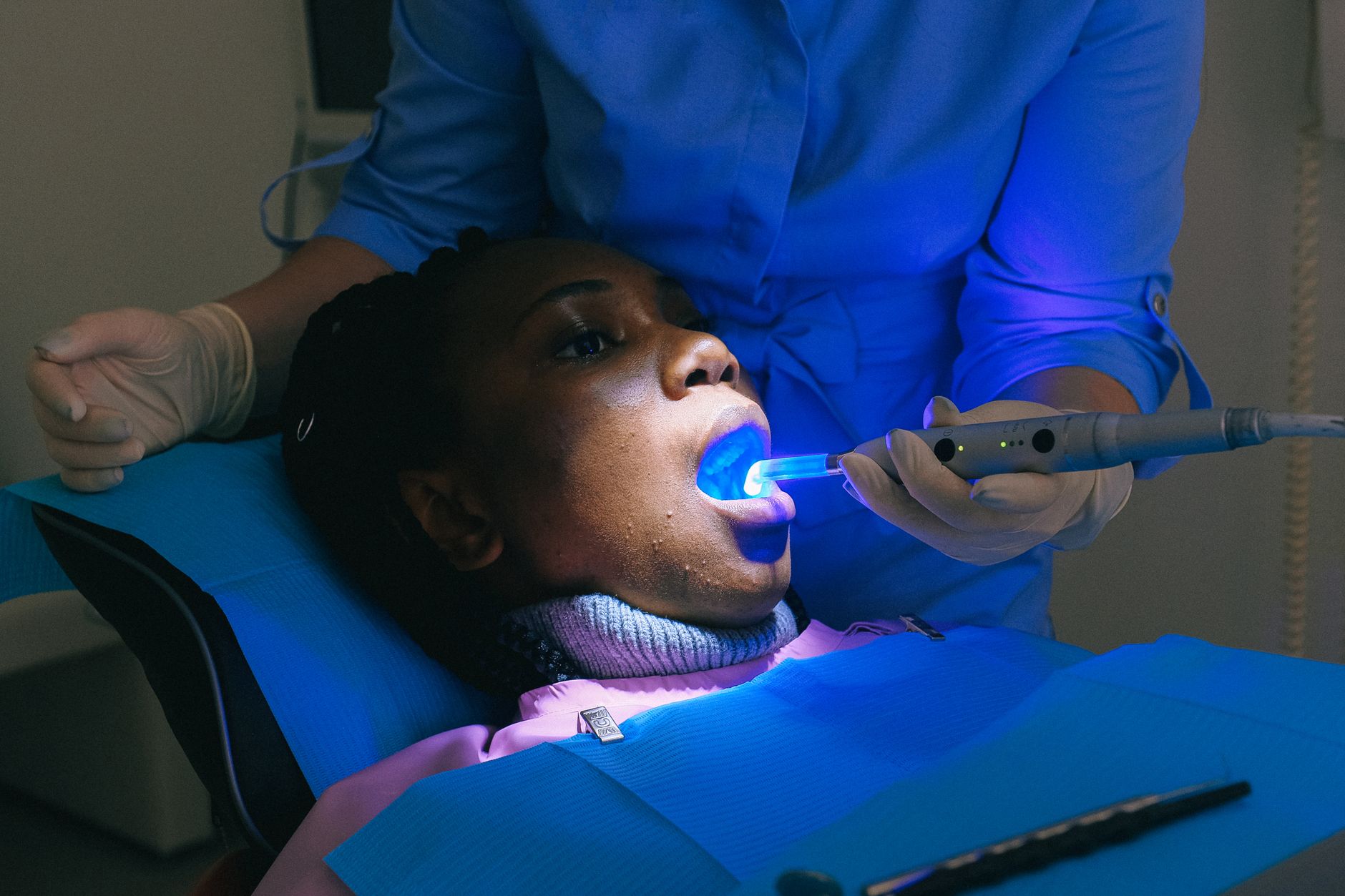
- Filling: The chosen filling material is placed into the cleaned cavity and shaped to match your tooth’s natural contour. Different materials have different application methods; some are hardened with a special light.
- Polishing: Once the filling is in place, the dentist will check your bite and polish the filling to ensure it feels smooth and comfortable.
The entire process for a small filling usually takes between 20 to 30 minutes. Deeper or multiple fillings will naturally take longer.
Common Scenarios and What They Mean
Imagine you’ve been putting off your dental check-up because you’re worried about that dull ache you’ve been feeling. You finally go in, and the dentist tells you it’s a cavity that needs a filling. It’s completely normal to feel a bit apprehensive about the procedure itself, especially if you’ve had a less-than-pleasant experience in the past. Remember, the filling is designed to *relieve* that ache and prevent it from getting worse. Your dentist will explain the process, likely use a numbing injection, and aim to make you as comfortable as possible.
Another situation: you have a filling done, and afterward, you notice some sensitivity to cold or hot foods. This is quite common, especially with deeper fillings. It usually subsides within a week or two as the tooth settles. If the sensitivity persists or is severe, it’s worth a call to your dentist.
Preventing Cavities: Your Best Defense
The best way to avoid the discomfort and hassle of fillings is to prevent cavities in the first place. Here’s how:
- Brush Twice Daily: Use fluoride toothpaste and brush for at least two minutes each time, ensuring you reach all surfaces of your teeth.
- Floss Daily: Flossing removes plaque and food particles from between your teeth and under the gum line, areas your toothbrush can’t reach.
- Use Mouthwash: An antimicrobial or fluoride mouthwash can provide an extra layer of protection.
- Watch Your Diet: Limit sugary drinks and snacks. Bacteria in your mouth feed on sugar, producing acids that erode enamel.
- Regular Dental Check-ups: Visit your dentist for check-ups and cleanings at least twice a year. They can spot early signs of decay when it’s easiest to treat and often before you even feel any pain.
- Consider Fluoride Treatments: Your dentist might recommend professional fluoride treatments, especially if you are at higher risk for cavities.
When to Consult Your Dentist About Pain
While most fillings are done with minimal discomfort, there are times when you should reach out to your dentist:
- During the Procedure: If you feel significant pain while the dentist is drilling, don’t hesitate to signal them. They can stop and administer more anesthetic.
- After the Filling: If you experience persistent or severe toothache, heightened sensitivity to hot or cold that doesn’t fade, or if the filling feels “high” or interferes with your bite, contact your dentist. These could indicate a problem that needs attention, such as nerve irritation or an issue with the filling itself.
- Numbness Lingers Too Long: If the numb sensation in your cheek, lips, or tongue lasts for more than 4-6 hours after the procedure, let your dentist know.
Facing a dental filling doesn't have to be a source of dread. With modern dentistry, the procedure is designed for your comfort. Understanding what to expect, the role of anesthesia, and effective prevention strategies can empower you to take control of your oral health. Remember, addressing cavities early is key to maintaining a healthy, pain-free smile.