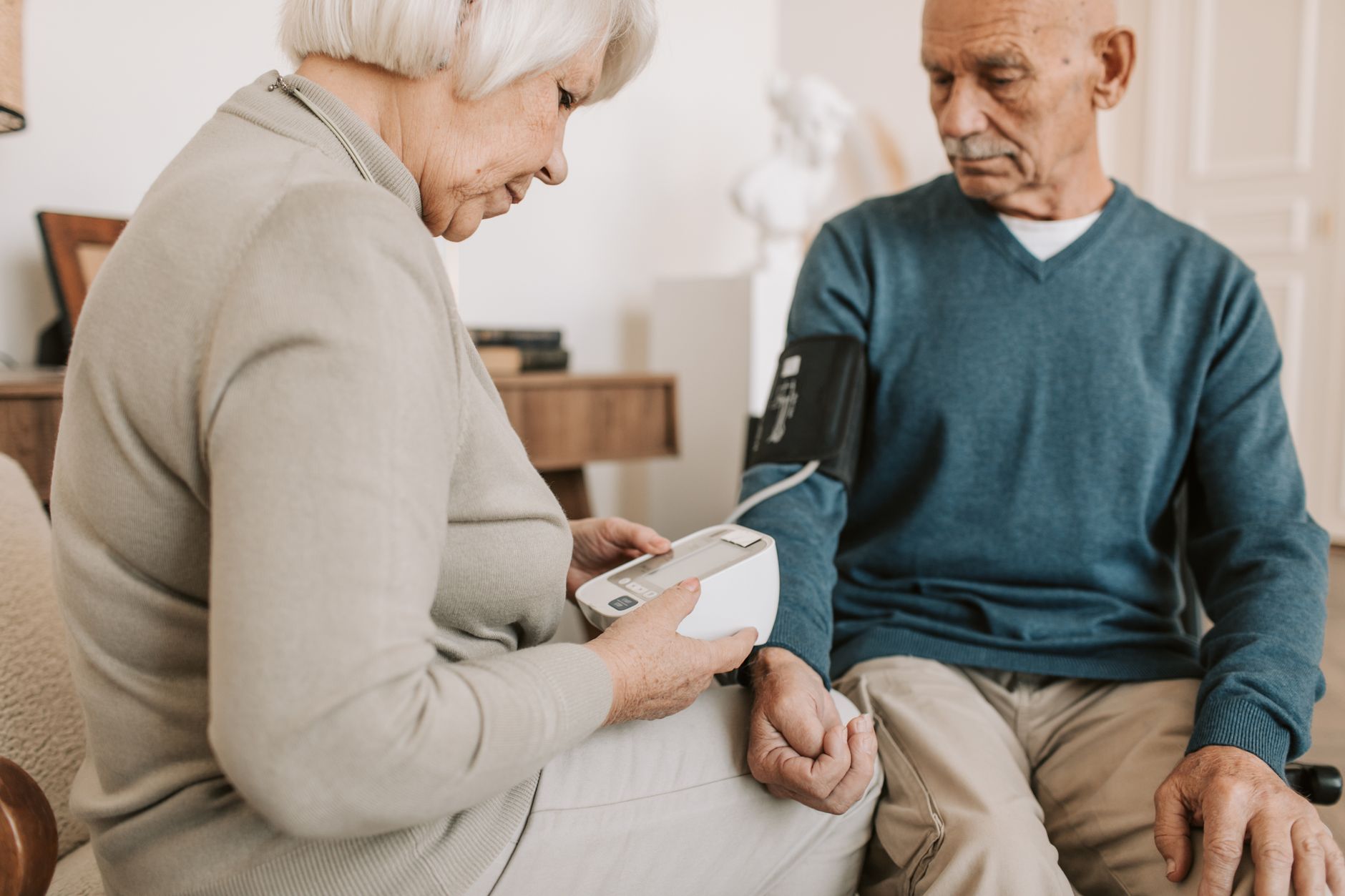
Understanding Blood Pressure Monitoring at Home
Keeping an eye on your blood pressure from the comfort of your home has become increasingly common. It’s a proactive step towards managing your health. You might have seen or even own a wrist blood pressure monitor. They’re small, portable, and often feature easy-to-read digital displays. Many even store your readings, allowing you to track your progress over weeks or months. This can be incredibly useful for identifying trends and discussing them with your doctor. However, a critical question arises: are these convenient little devices truly accurate enough to rely on for important health decisions?
The Convenience vs. Accuracy Debate
Wrist blood pressure monitors certainly win points for portability and ease of initial use. Slip it on, press a button, and voilà – a reading appears. Many models even keep a log of your past measurements, which can be a boon for tracking your health journey. This convenience factor is a big draw, especially for individuals who need to monitor their blood pressure regularly.
But here's where we need to pause and consider the bigger picture. The American Heart Association (AHA) offers a word of caution. They generally advise against relying solely on wrist monitors for home blood pressure monitoring. Why? Because studies and expert opinions suggest that upper arm monitors tend to provide more accurate readings. This difference in accuracy isn't just a minor detail; it can have significant implications for managing conditions like hypertension.
Why the Discrepancy? The Science Behind It
There are a couple of key reasons why wrist monitors often fall short in the accuracy department compared to their upper arm counterparts.
1. Arm and Wrist Position Matters – A Lot!
This is perhaps the biggest culprit. For a wrist monitor to give a reading close to your true blood pressure, the monitor and your wrist must be positioned precisely at heart level. Think about it: your heart is the engine pumping blood throughout your body. If your wrist is lower than your heart, gravity can affect the pressure reading, often making it appear higher than it actually is. Conversely, if your wrist is too high, the reading might appear lower.
Achieving this perfect heart-level positioning consistently can be surprisingly difficult. It requires conscious effort and careful placement during each measurement. Many users, assuming simplicity, might not realize the critical importance of this step, leading to skewed results.
2. User Error and Technique
Beyond just positioning, there's a general susceptibility to user error with wrist monitors. While they seem straightforward, getting the cuff snugness right, ensuring the device is on the correct part of the wrist (often just below the wrist bone), and maintaining stillness during the reading all play a role. The instructions provided with these devices are vital, and deviating from them, even slightly, can impact accuracy.
3. Potential for Higher Readings
Research indicates that readings taken from the wrist can naturally tend to be higher than those taken from the upper arm. This doesn't necessarily mean your blood pressure is actually higher; it's more likely an artifact of the measurement method and positioning challenges.
Upper Arm Monitors: The Gold Standard?
Digital upper arm blood pressure monitors are widely considered more reliable for home use. Here’s why:
- Positioning is Easier: While still important, achieving the correct position with an upper arm cuff is generally less finicky than with a wrist device. The cuff typically sits around the brachial artery, and the arm is usually resting at a more natural heart level.
- Less Susceptible to Movement Artifacts: The larger cuff and more stable placement can make them less prone to errors caused by slight movements.
- Clinically Validated: Many upper arm monitors have undergone rigorous clinical validation, meaning they've been tested against standard medical equipment to ensure their accuracy.
While upper arm monitors might be slightly bulkier and perhaps a bit more expensive than some wrist models, their enhanced accuracy often makes them the preferred choice for serious health monitoring.
What About Manual/Analog Monitors?
You might also encounter analog or manual blood pressure monitors, which require a stethoscope and a bit more skill to use. These involve listening for Korotkoff sounds (the sounds of blood flow) as the cuff deflates. While they can be very accurate when used by a trained professional, they are generally not recommended for routine home monitoring by the average person due to the learning curve and the potential for significant user error.
Getting the Most Accurate Reading (Even with a Wrist Monitor)
If you do have a wrist monitor and need to use it, or if it's your only option, here are tips to maximize its accuracy:
- Follow Instructions Meticulously: Read your device's manual thoroughly. Every monitor is slightly different.
- Sit Still and Relax: Before taking a reading, sit quietly for at least 5 minutes. Avoid caffeine, alcohol, smoking, and strenuous exercise for at least 30 minutes prior.
- Position is Key: Ensure your wrist is elevated to heart level. You might need to rest your elbow on a table and support your wrist with your other hand.
- Correct Placement: Place the cuff on your wrist according to the manufacturer's instructions, usually just above the wrist bone on the palm side.
- Don't Talk: Keep quiet during the measurement.
- Take Multiple Readings: Consider taking 2-3 readings a few minutes apart and averaging them, especially if you're seeing concerning numbers.
When Are Readings a Cause for Concern?
Home blood pressure readings are valuable tools for discussing your health with your doctor. Generally:
- Consistently High Readings: If your readings are consistently above 130/80 mmHg, it’s time to schedule a chat with your doctor. This could indicate hypertension, which requires management.
- Extremely High Readings (Hypertensive Crisis): A reading of 180/120 mmHg or higher is a medical emergency. If you get this reading, wait 5 minutes and take it again. If it remains dangerously high, call for emergency medical help immediately (like 108 or 112 in India).
Seek immediate medical attention if you experience an extremely high blood pressure reading (180/120 mmHg or higher) accompanied by any of these symptoms:
- Chest pain
- Shortness of breath
- Back pain
- Numbness or weakness
- Vision changes
- Difficulty speaking
Ignoring such a reading, especially with these symptoms, can lead to severe complications like organ damage or failure. Don't delay – get help right away.
Making the Right Choice for Your Health
When choosing a home blood pressure monitor, prioritize accuracy. While wrist monitors offer convenience, upper arm digital monitors are generally the more reliable choice for consistent and accurate monitoring. Always discuss your blood pressure readings and any concerns with your healthcare provider. They can guide you on the best monitoring practices and treatment plans tailored to your individual health needs.
Frequently Asked Questions (FAQs)
- Q1: Can I trust my wrist blood pressure monitor?
- Wrist monitors can provide a general idea of your blood pressure, but they are generally less accurate than upper arm monitors due to positioning challenges. For critical monitoring, an upper arm device is usually recommended.
- Q2: What is considered a normal blood pressure reading?
- Normal blood pressure is typically below 120/80 mmHg. Readings between 120-129/80 mmHg are considered elevated, and readings of 130/80 mmHg or higher may indicate hypertension.
- Q3: How often should I check my blood pressure at home?
- This depends on your health status. If you have hypertension or are at risk, your doctor might recommend daily checks. For general wellness, occasional checks might suffice. Always follow your doctor's advice.
- Q4: What should I do if my blood pressure is high?
- If readings are consistently above 130/80 mmHg, consult your doctor. If you get a reading of 180/120 mmHg or higher, seek emergency medical care immediately.