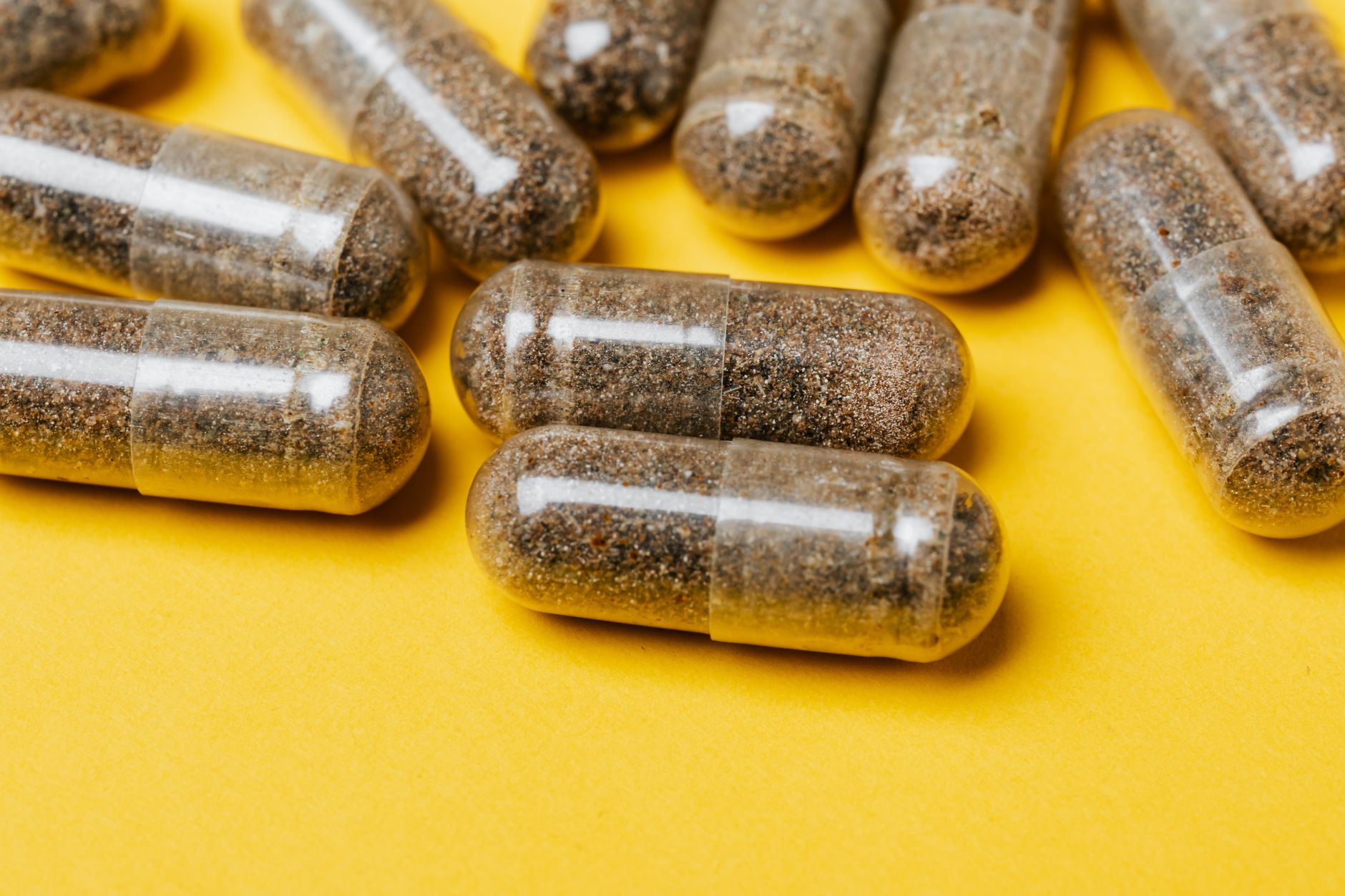
Understanding GERD and the Role of Zinc Carnosine Gastroesophageal reflux disease, commonly known as GERD, is a chronic digestive disorder that affects millions worldwide. It is characterized by the frequent and sustained backflow of stomach acid into the esophagus, leading to uncomfortable symptoms like heartburn, regurgitation, chest pain, and difficulty swallowing. While lifestyle modifications and conventional medications form the cornerstone of GERD management, emerging research is exploring the potential benefits of supplements like zinc carnosine. Zinc carnosine, a compound formed by combining zinc and l-carnosine in equal parts, has garnered attention for its potential gastrointestinal benefits. Developed in Japan nearly 30 years ago, it was initially used to treat stomach ulcers. Its unique composition allows it to exert a synergistic effect on the gastrointestinal system, offering protection to the mucus membrane, aiding in the repair of damaged cells, reducing inflammation, and exhibiting antioxidant properties. This article delves into the current understanding of zinc carnosine, its potential role in managing GERD, and what the existing research suggests. We will explore how it might complement traditional GERD treatments and discuss the importance of consulting a healthcare professional before incorporating any new supplement into your regimen. What is GERD? GERD is more than just occasional heartburn. It's a persistent condition where stomach acid frequently flows back into the esophagus, the tube connecting your throat and stomach. This acid reflux can irritate the lining of the esophagus, causing a range of symptoms. Common Symptoms of GERD: Heartburn: A burning sensation in the chest, often after eating, which may be worse at night. Regurgitation: The sensation of stomach acid or food backing up into the throat or mouth. Chest Pain: This can sometimes be mistaken for heart-related pain, highlighting the importance of medical evaluation. Difficulty Swallowing (Dysphagia): A feeling that food is stuck in the throat. Sore Throat and Hoarseness: Chronic irritation from stomach acid. Chronic Cough: Especially at night or after meals. Asthma Symptoms: Acid reflux can sometimes trigger or worsen asthma. Causes and Risk Factors for GERD: Several factors can contribute to the development or worsening of GERD: Weakened Lower Esophageal Sphincter (LES): The LES is a muscular ring that normally prevents stomach contents from flowing back into the esophagus. If it weakens or relaxes inappropriately, reflux can occur. Hiatal Hernia: A condition where part of the stomach pushes up through the diaphragm into the chest cavity. Obesity: Excess weight can increase abdominal pressure, pushing stomach acid upwards. Pregnancy: Hormonal changes and increased abdominal pressure during pregnancy can lead to GERD. Certain Foods and Drinks: Fatty foods, spicy foods, chocolate, caffeine, alcohol, and carbonated beverages can trigger reflux in some individuals. Smoking: Nicotine can weaken the LES and reduce saliva production, which helps neutralize acid. Certain Medications: Some medications, like aspirin, ibuprofen, and certain blood pressure drugs, can worsen GERD symptoms. Delayed Stomach Emptying: If the stomach takes too long to empty its contents, it increases the chance of reflux. What is Zinc Carnosine? Zinc carnosine, also known by its generic name polaprezinc, is a compound synthesized by binding zinc and l-carnosine together. It's not a naturally occurring compound found in this bound form but rather a therapeutic agent developed for its health benefits. Components of Zinc Carnosine: Zinc: An essential mineral vital for numerous bodily functions, including immune support, wound healing, and cell growth. It's found in foods like oysters, beef, and seafood. L-Carnosine: An amino acid compound present in the brain, muscles, and gastrointestinal tissues. It possesses antioxidant properties and is known for its role in muscle function. Athletes often use it as a supplement. How Zinc Carnosine Works for Gastrointestinal Health: When combined, zinc and l-carnosine appear to have a synergistic effect, particularly on the digestive system. Zinc carnosine is believed to support gastrointestinal health by: Protecting the Mucus Membrane: It helps maintain the integrity of the protective lining of the stomach and intestines. Aiding in Repair: It assists in the healing and repair of damaged epithelial cells in the gastric lining. Reducing Inflammation: It possesses anti-inflammatory properties that can soothe an irritated digestive tract. Antioxidant Properties: It helps combat oxidative stress, which can contribute to tissue damage. These properties have led to its use in treating stomach ulcers and investigating its potential in managing gastric infections like Helicobacter pylori and even as a complementary therapy in cancer treatment. Zinc Carnosine and GERD: What Does the Research Say? While zinc carnosine has shown promise for overall gastrointestinal health and ulcer treatment, its specific effectiveness for GERD is still under investigation. Much of the research has focused on its ability to protect and repair the stomach lining, which could indirectly benefit GERD sufferers by strengthening the gastrointestinal barrier. One study, nicknamed GERDILOR, is exploring the efficacy of a liquid zinc carnosine supplement (marketed as Hepilor®) in treating GERD symptoms and maintaining remission. This study involves 80 adults and is designed to observe how zinc carnosine performs, particularly when used alongside traditional GERD medications like proton pump inhibitors (PPIs). The researchers aim to understand if zinc carnosine can enhance the effectiveness of standard treatments rather than acting as a standalone therapy. It's important to note that robust, large-scale clinical trials specifically demonstrating zinc carnosine as a primary treatment for GERD are still limited. The existing evidence suggests it may be a beneficial complementary therapy, potentially by: Strengthening the Gastric Lining: A healthier stomach lining might be more resistant to acid damage. Reducing Inflammation: Chronic inflammation can exacerbate GERD symptoms. Promoting Healing: Repairing any damage caused by acid reflux. Conventional GERD Treatments and Lifestyle Modifications Before considering supplements, it's crucial to understand the established methods for managing GERD. These include: Medications: Proton Pump Inhibitors (PPIs): These drugs significantly reduce stomach acid production (e.g., omeprazole, pantoprazole). H2 Blockers: These also reduce stomach acid but are generally less potent than PPIs (e.g., ranitidine, famotidine). Antacids: Provide quick, temporary relief by neutralizing stomach acid. Lifestyle Changes: These are fundamental to managing GERD by addressing its root causes: Weight Management: Losing even a small amount of weight can significantly reduce pressure on the stomach. Dietary Adjustments: Identifying and avoiding trigger foods (fatty, spicy, acidic foods, caffeine, alcohol, chocolate, mint). Eating smaller, more frequent meals can also help. Elevating the Head of the Bed: Raising the head of your bed by 6-8 inches can prevent nighttime reflux. Avoiding Late-Night Meals: Do not eat within 2-3 hours of bedtime. Quitting Smoking: Smoking cessation is vital for overall health and GERD management. Limiting Alcohol Intake: Alcohol can relax the LES and irritate the esophagus. Wearing Loose Clothing: Tight clothing can increase abdominal pressure. When to Consult a Doctor It is essential to seek medical advice if you experience persistent or severe GERD symptoms. A doctor can accurately diagnose GERD, rule out other serious conditions (like heart disease), and recommend the most appropriate treatment plan for you. Consult your doctor if you experience: Frequent heartburn (more than twice a week). Difficulty swallowing. Unexplained weight loss. Chest pain that may be mistaken for a heart attack. Symptoms that do not improve with over-the-counter medications. Nausea or vomiting. Your doctor can discuss the risks and benefits of various treatments, including conventional medications and potentially complementary therapies like zinc carnosine, based on your individual health status and needs. Frequently Asked Questions (FAQ) Can zinc carnosine replace my GERD medication? Currently, there is not enough evidence to suggest that zinc carnosine can replace conventional GERD medications like PPIs or H2 blockers. It is best viewed as a potential complementary therapy that may support overall gastrointestinal health alongside prescribed treatments. Are there any side effects of zinc carnosine? Zinc carnosine is generally considered safe for most people when taken as directed. However, like any supplement, it can cause side effects in some individuals. These may include nausea, stomach upset, or constipation. It's always advisable to start with a low dose and monitor your body's response. Consult your doctor if you experience any adverse effects. How long does it take for zinc carnosine to work for GERD? The timeline for experiencing benefits from zinc carnosine can vary greatly among individuals. Since research is ongoing, there's no definitive answer. Some people might notice subtle improvements in digestive comfort over weeks, while others may not experience significant changes. Consistency and patience are key, but always manage expectations and consult your doctor. Can I take zinc carnosine with other supplements? Generally, zinc carnosine can be taken with other supplements, but it's crucial to discuss this with your healthcare provider. They can advise on potential interactions and ensure that your supplement regimen is safe and effective for your specific health needs. Conclusion Zinc carnosine shows promise as a supportive agent for gastrointestinal health, with potential benefits for individuals managing GERD. Its ability to protect and repair the stomach lining may complement traditional treatments by strengthening the digestive system's natural defenses. However, it's crucial to remember that research is still evolving, and zinc carnosine should not be considered a substitute for medical advice or prescribed medications. A holistic approach involving lifestyle changes,
In summary, timely diagnosis, evidence-based treatment, and prevention-focused care improve long-term health outcomes.