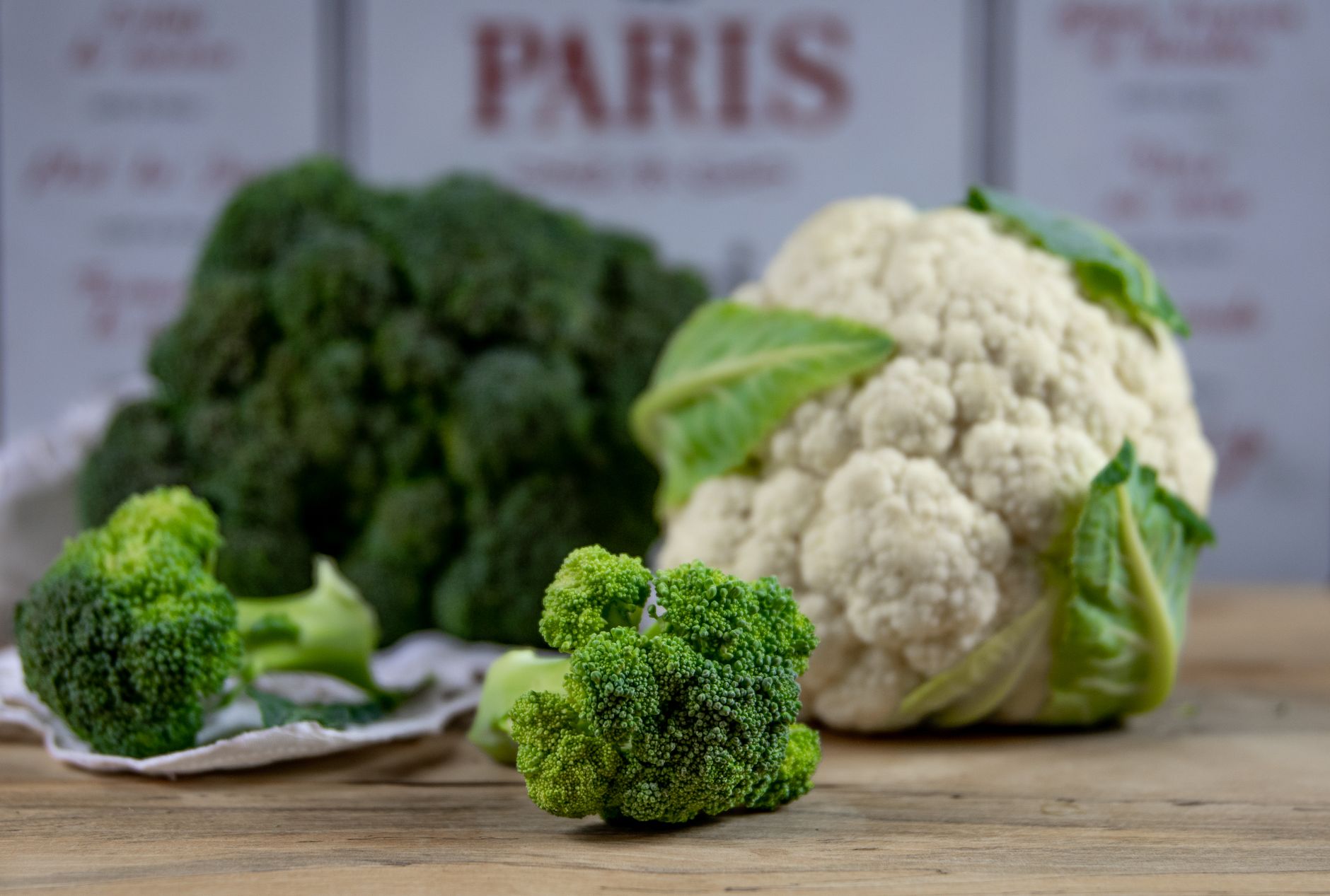
Gout, a painful form of arthritis, often leaves individuals searching for ways to manage its flare-ups. While medication plays a role, many people find that dietary changes can significantly impact their symptoms. You might be wondering, "Can the common broccoli, a staple in many Indian kitchens, actually help with gout?" The answer is a resounding yes! This humble green vegetable offers a surprising number of benefits for those living with gout, making it a valuable addition to your diet.
Understanding Gout and Its Triggers
Before we dive into broccoli's benefits, let's quickly recap what gout is. Gout occurs when there's too much uric acid in your body, a condition called hyperuricemia. Your body produces uric acid when it breaks down purines, which are found naturally in your body and in certain foods. When uric acid levels get too high, it can form sharp crystals in your joints, leading to sudden, severe pain, redness, and swelling – the dreaded gout attack.
While your diet isn't the sole cause of gout, it's a significant factor you can manage. Certain foods, particularly those high in purines, can increase uric acid levels and trigger attacks. For instance, imagine Mrs. Sharma, who loves her weekend mutton curry. After a particularly large serving, she experiences a severe gout attack in her big toe the next day. This common scenario highlights the direct link between high-purine foods and gout flare-ups.
Why Broccoli is a Gout-Friendly Champion
So, how does broccoli fit into this picture? Unlike many foods that can worsen gout, broccoli is considered a gout-friendly vegetable. Here's why:
Low in Purines and Uric Acid
Broccoli is naturally low in purines. This means that when you eat broccoli, your body breaks down fewer purines, leading to less uric acid production. This is a fundamental advantage for anyone trying to keep their uric acid levels in check.
Rich in Vitamin C
This is a big one! Vitamin C is a powerful nutrient that has been shown to help lower uric acid levels in the body. The Arthritis Foundation suggests that eating foods high in vitamin C can help reduce gout attacks. Broccoli is an excellent source of this vital vitamin. Increasing your intake of vitamin C through foods like broccoli can be a proactive step towards managing gout.
Packed with Antioxidants
Broccoli is a powerhouse of antioxidants. These compounds act as inflammation fighters in your body. Chronic inflammation is a hallmark of conditions like gout, and the antioxidants in broccoli can help combat this. Research, including a 2015 study, suggests that a healthy diet rich in antioxidants, like one that includes broccoli, could help fight many chronic diseases, including gout.
Versatile and Delicious
Whether you prefer the tender florets or the nutritious stems, all parts of the broccoli plant are beneficial. It's incredibly versatile in the kitchen. You can steam it, stir-fry it with other vegetables, add it to omelets, casseroles, or even enjoy it raw with a healthy dip. This makes it easy to incorporate into your daily meals without feeling deprived.
Building a Gout-Conscious Diet with Broccoli
Managing gout often involves a combination of strategies, and diet is a cornerstone. The goal is to reduce uric acid levels and prevent those painful attacks.
Foods to Embrace
Focus on a diet that is naturally low in purines and rich in beneficial nutrients. Consider including:
- Fruits: Especially those high in Vitamin C like citrus fruits (oranges, grapefruit), strawberries, and pineapple. Cherries are also fantastic due to their anti-inflammatory properties (anthocyanins).
- Vegetables: Alongside broccoli, include other gout-friendly options like beans, peas, and lentils.
- Low-Fat Dairy: Milk and yogurt can help your body excrete uric acid.
- Whole Grains: Provide essential fiber and nutrients.
- Plenty of Water: Staying hydrated is crucial! Drinking 8 to 13 cups of water daily helps flush uric acid out of your system.
Foods to Moderate or Avoid
While not all high-purine foods need to be completely eliminated, moderating your intake can make a significant difference. Be mindful of:
- High-Purine Meats: Red meat (like mutton and beef), organ meats (liver, kidney), and some seafood (sardines, anchovies).
- Alcohol: Especially beer, which is high in purines and can interfere with uric acid excretion.
- Sugary Drinks: Fructose-sweetened beverages can increase uric acid levels.
A study comparing the DASH (Dietary Approaches to Stop Hypertension) diet with a traditional Western diet found that those following the DASH diet (rich in fruits, vegetables, and low-fat dairy) had a lower risk of gout. This reinforces the idea that a balanced, healthy eating pattern is key.
Beyond Diet: Other Gout Management Strategies
While broccoli and dietary choices are powerful tools, they are part of a larger management plan:
Maintain a Healthy Weight
Excess weight can increase uric acid production and decrease its excretion. Losing weight, if you are overweight, can significantly help manage gout. However, avoid crash diets, as rapid weight loss can temporarily increase uric acid levels.
Stay Hydrated
We can't stress this enough: drink water! Adequate fluid intake is vital for flushing out uric acid.
Regular Exercise
Engage in regular, moderate physical activity. This helps with weight management and overall health. However, avoid high-impact exercises that could stress your joints, especially during a flare-up.
When to Consult Your Doctor
While dietary changes can be very effective, it's essential to work with your healthcare provider. You should consult your doctor if:
- You experience frequent or severe gout attacks.
- Your gout symptoms are not improving with lifestyle changes.
- You have other chronic health conditions like high blood pressure, diabetes, or kidney problems, as these can affect gout management.
- You are considering starting new medications or making drastic dietary changes.
Your doctor can accurately diagnose gout, assess your risk factors, and recommend the most appropriate treatment plan, which may include medication alongside dietary and lifestyle advice. They can also help you understand potential interactions between certain medications and your diet.
Frequently Asked Questions (FAQ)
Can I eat broccoli every day if I have gout?
Yes, in moderation, broccoli can be a healthy part of your daily diet for gout management due to its low purine content and high Vitamin C. However, always listen to your body and consult your doctor or a dietitian.
Are there any side effects of eating too much broccoli for gout?
For most people, broccoli is safe. However, excessive consumption of any vegetable can potentially lead to digestive discomfort like gas or bloating. Individuals with specific digestive issues should consume it in moderation.
What is the best way to cook broccoli for gout?
Steaming, boiling, or stir-frying are excellent methods. Avoid adding excessive salt or high-fat sauces. Simple preparations allow you to enjoy broccoli's benefits without adding triggers.
Besides broccoli, what other green vegetables are good for gout?
Other good choices include leafy greens like spinach (in moderation, as it has moderate purines), kale, cucumbers, and bell peppers. Beans, peas, and lentils are also beneficial.
Incorporating broccoli into your diet is a simple, practical, and delicious step towards better gout management. By understanding its benefits and pairing it with other gout-friendly foods and healthy habits, you can take control of your symptoms and enjoy a more comfortable life.