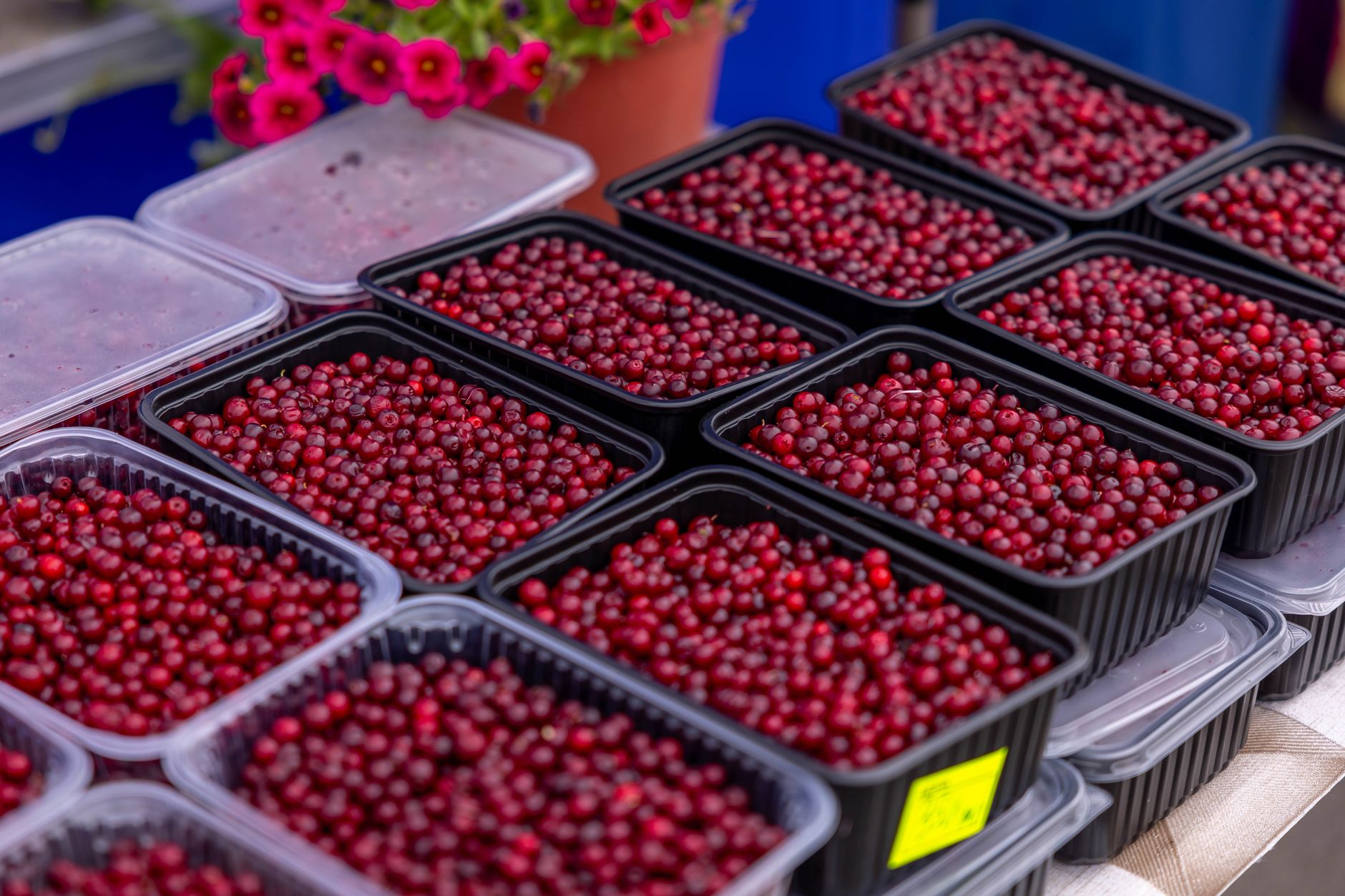
Gout. The word itself can bring a grimace to the face of anyone who has experienced its excruciating pain. This inflammatory form of arthritis strikes suddenly, often affecting the big toe, and is caused by a buildup of uric acid in the bloodstream. This excess uric acid can then form sharp crystals in your joints, triggering those dreaded gout flares. While medical treatments and lifestyle adjustments are the cornerstones of managing gout, the question often arises: can natural remedies like cranberry juice offer relief or even prevention? Let's explore what the science says about cranberry juice and its potential, or lack thereof, in managing gout. Understanding Gout: The Uric Acid Connection Before we dive into cranberry juice, it's essential to understand gout itself. Gout occurs when your body produces too much uric acid or when your kidneys can't efficiently remove it. Uric acid is a waste product that forms when your body breaks down purines, which are found naturally in your body and in certain foods. Normally, uric acid dissolves in your blood and passes through your kidneys into your urine. However, if your body produces too much or your kidneys excrete too little, these uric acid crystals can form and deposit in your joints and surrounding tissues. This deposition leads to the inflammation, redness, and intense pain characteristic of a gout attack. The Buzz Around Natural Remedies for Gout Many people living with gout seek complementary approaches to their medical treatment. This is understandable, given the severity of the pain and the desire for proactive management. You might have heard about certain foods or drinks that could help. For instance, research has suggested that both coffee and cherry juice might play a role in reducing the risk of gout attacks. A 2015 review highlighted evidence indicating coffee consumption could lower gout risk, although more specific research on coffee and gout flares is still needed. Similarly, a 2012 study found a link between cherry juice consumption and a reduced risk of gout. These findings naturally lead to questions about other popular beverages, such as cranberry juice. Cranberry Juice and Gout: What Does the Research Say? When it comes to cranberry juice and gout, the current scientific landscape is rather sparse. There is a notable lack of direct research specifically investigating whether drinking cranberry juice or taking cranberry supplements can help reduce gout flares or prevent them. Most of the existing research that explores the link between juices and gout management focuses on cherries, not cranberries. However, the conversation around cranberry juice doesn't end there. While direct evidence for gout relief is missing, studies have looked at cranberry juice's impact on conditions related to high uric acid levels, particularly kidney stones. Higher uric acid levels are a known contributor to the formation of uric acid kidney stones. Some research has suggested that cranberry juice might actually increase the risk of certain types of kidney stones, specifically calcium oxalate and uric acid stones. A study from 2005, though small with 24 participants, indicated this potential risk. It's important to note that this same study suggested cranberry juice might decrease the risk of another type of stone, a brushite stone. Nevertheless, the possibility that cranberry juice could elevate uric acid levels is a concern, as elevated uric acid is the root cause of gout. Therefore, the theory is that if cranberry juice could potentially lead to higher uric acid levels, it might, in turn, increase the likelihood of forming those painful crystals in the joints that cause gout flares. However, this remains a theoretical link, and more robust research is needed to confirm any such association. A Real-Life Scenario: Imagine Mr. Sharma, a 55-year-old gentleman who recently experienced his first severe gout attack. He's keen to avoid another one and has heard from a friend that drinking cranberry juice daily helped them. He starts drinking a large glass of unsweetened cranberry juice every morning, hoping it will keep his uric acid levels in check. While he feels he's doing something positive for his health, he's unaware of the limited evidence for gout and the potential risks associated with it. When to Be Cautious with Cranberry Juice for Gout Given the absence of strong evidence supporting cranberry juice as a gout treatment and the potential concerns regarding uric acid levels and kidney stones, your doctor might be hesitant to endorse its use, especially if you have a history of kidney stones or are at risk. It's always best to discuss any new remedies, including dietary changes, with your healthcare provider. Effective Strategies for Gout Management Fortunately, you have several well-established and evidence-based options for managing gout effectively. These strategies aim to reduce uric acid levels, prevent flares, and treat acute attacks. 1. Medications: Doctors typically prescribe medications that either decrease uric acid production or increase its excretion from the body. Common preventive medications include: Xanthine oxidase inhibitors : Examples include allopurinol and febuxostat. Additionally, colchicine (Mitigare, Colcrys) is often used to treat acute gout attacks. In lower doses, it can also be prescribed alongside other preventive medications to help ward off future attacks. 2. Treating Acute Gout Flares: If you experience a sudden, painful gout attack, your doctor may recommend: Nonsteroidal anti-inflammatory drugs (NSAIDs) : Medications like ibuprofen or naproxen can help reduce pain and swelling. Corticosteroids : These powerful anti-inflammatory drugs can alleviate pain and swelling in the affected joints. Colchicine : As mentioned, colchicine is highly effective in reducing the pain and inflammation during an acute attack. 3. Advanced Treatment Options: For severe or treatment-resistant gout, a medication called pegloticase (Krystexxa) might be considered. This is administered intravenously every two weeks and works by breaking down uric acid. 4. Lifestyle Modifications: Alongside medication, lifestyle changes are vital: Dietary Adjustments : Limiting high-purine foods (like red meat, organ meats, and certain seafood) can help lower uric acid levels. Reducing alcohol intake, especially beer, is also recommended. Hydration : Drinking plenty of water helps your kidneys flush out uric acid. Aim for at least 8-10 glasses of water a day. Weight Management : If you are overweight, losing even a small amount of weight can significantly reduce the burden on your joints and lower uric acid levels. Choosing Your Juice Wisely : If you do opt for juice, choose unsweetened varieties to avoid adding unnecessary sugar and calories to your diet. What About Coffee and Cherry Juice? As mentioned earlier, coffee and cherry juice have shown more promise in research related to gout prevention than cranberry juice. Studies suggest that moderate coffee consumption may be linked to a lower risk of gout. Similarly, cherry juice has been associated with a reduction in gout attacks. While these seem like more promising natural avenues, it's still essential to discuss their use with your doctor as part of your overall gout management plan. When to Consult Your Doctor It is crucial to consult your doctor if you experience any of the following: You suspect you might have gout for the first time, characterized by sudden, severe joint pain, swelling, redness, and warmth. Your gout symptoms are not improving with your current treatment plan. You are experiencing frequent gout attacks. You are considering incorporating new supplements or significant dietary changes, like adding large amounts of cranberry juice, into your management strategy. You have a history of kidney stones or other kidney issues. The Bottom Line on Cranberry Juice for Gout Currently, there is no strong scientific evidence to support the use of cranberry juice as an effective treatment or prevention strategy for gout. In fact, some research suggests it might even increase the risk of uric acid stones, which are linked to gout. While the search for natural remedies is commendable, it's vital to rely on evidence-based treatments and always consult your doctor. Prioritize medical treatments, recommended lifestyle changes, and beverages that have shown a clearer benefit, like water, and discuss any new approaches with your healthcare provider to ensure they align with your overall health goals and do not pose any risks. Frequently Asked Questions (FAQ) Can cranberry juice help with gout pain? There is currently no scientific evidence to suggest that cranberry juice can help with gout pain. Some research even indicates it might potentially worsen the condition by increasing uric acid levels. Is it safe to drink cranberry juice if I have gout? It is advisable to consult your doctor before consuming cranberry juice if you have gout, especially if you have a history of kidney stones. While it might not directly cause a gout attack, its potential impact on uric acid levels and kidney stone formation needs consideration. What are the best natural remedies for gout? While research is ongoing, cherry juice and moderate coffee consumption have shown more promise in studies for potentially reducing gout risk. Staying well-hydrated with water and maintaining a healthy diet low in purines are also essential natural strategies. How can I lower my uric acid levels naturally? You can help lower uric acid levels naturally by staying hydrated,
In summary, timely diagnosis, evidence-based treatment, and prevention-focused care improve long-term health outcomes.