Knee pain can make everyday activities such as walking, climbing stairs, or standing for long periods difficult. For people with severe knee arthritis or joint damage, knee replacement surgery may help reduce pain and improve mobility.
Knee replacement surgery in India is widely performed by orthopedic specialists and is considered an effective treatment for advanced knee joint disease. Understanding the procedure, benefits, and recovery process can help patients make informed healthcare decisions.
What Is Knee Replacement Surgery?
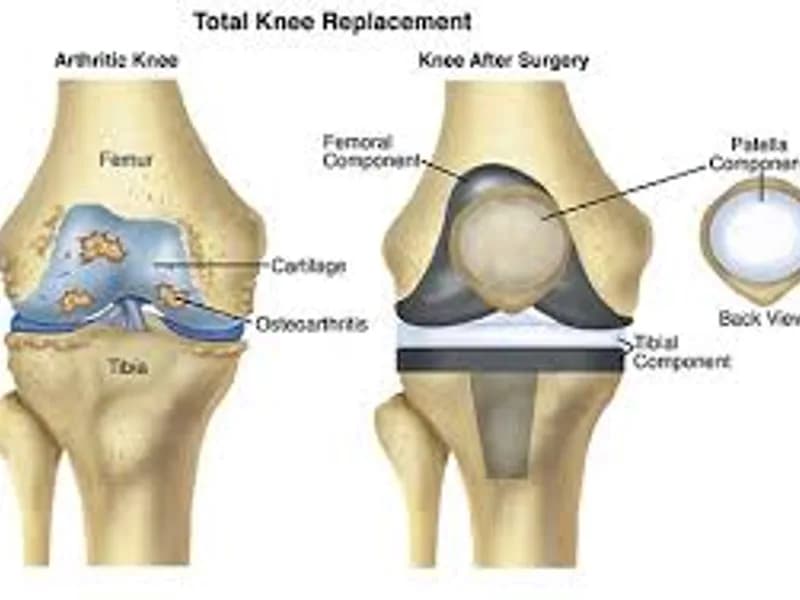
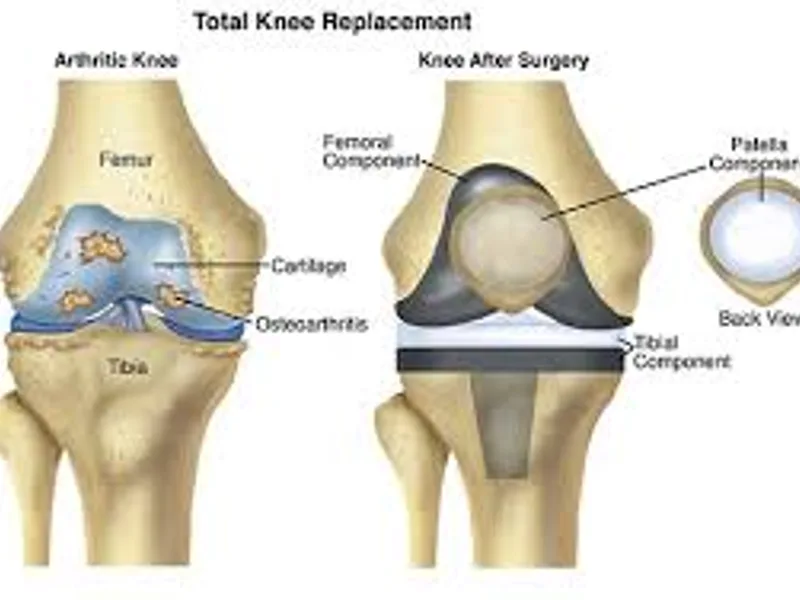
Knee replacement surgery, also called knee arthroplasty, is a procedure in which damaged parts of the knee joint are replaced with artificial implants. The goal is to relieve pain, restore function, and improve quality of life.
The surgery is usually recommended when non-surgical treatments no longer provide adequate relief.
Common conditions that may require knee replacement include:
• Osteoarthritis of the knee
• Rheumatoid arthritis
• Post-traumatic arthritis
• Severe knee injury or deformity
• Chronic knee pain affecting daily activities
Depending on the condition, a surgeon may recommend:
• Total knee replacement (TKR)
• Partial knee replacement
• Revision knee replacement surgery
Not everyone with knee pain requires surgery. Doctors typically recommend surgery after evaluating symptoms, imaging studies, and overall health.
Signs that may indicate the need for knee replacement include:
• Persistent knee pain despite treatment
• Difficulty walking or climbing stairs
• Knee stiffness and reduced mobility
• Swelling that does not improve
• Sleep disturbances due to pain
• Significant joint damage visible on X-rays
Patients often try other treatments first, such as medications, physical therapy, weight management, and injections.
How Is the Procedure Performed?
Knee replacement surgery is performed in a hospital under anesthesia. The exact technique may vary depending on the patient's condition and the surgeon's approach.
The procedure generally involves:
• Removing damaged cartilage and bone
• Reshaping the knee joint surfaces
• Placing metal and plastic implants
• Testing joint movement and stability
• Closing the incision and beginning rehabilitation
The surgery typically takes a few hours, although timing can vary based on individual circumstances.
After surgery, patients are encouraged to begin movement and physical therapy as advised by their healthcare team.
Benefits of Knee Replacement Surgery
For suitable candidates, knee replacement surgery can provide significant improvements in daily life.
Potential benefits include:
• Reduced knee pain
• Improved joint function
• Better mobility and walking ability
• Increased independence in daily activities
• Improved quality of life
• Correction of certain knee deformities
Many patients are able to return to routine activities after completing rehabilitation and recovery.
Recovery and Rehabilitation
Recovery is an important part of successful knee replacement surgery. Physical therapy helps strengthen muscles and improve joint movement.
Typical recovery milestones may include:
• Walking with support within days of surgery
• Gradual increase in daily activities
• Regular physical therapy sessions
• Improved mobility over several weeks
• Continued strengthening exercises for months
Patients can support recovery by:
• Following medical advice carefully
• Taking prescribed medications as directed
• Attending rehabilitation sessions
• Maintaining a healthy weight
• Avoiding activities that strain the new joint
Recovery times vary from person to person based on age, health status, and rehabilitation progress.
Risks and Possible Complications
Like any major surgery, knee replacement carries certain risks. Although complications are uncommon, patients should understand the potential concerns.
Possible risks include:
• Infection
• Blood clots
• Implant loosening over time
• Bleeding
• Nerve or blood vessel injury
• Joint stiffness
• Persistent pain in some cases
Choosing an experienced orthopedic team and following post-operative instructions can help reduce these risks.
Why Do Patients Choose India for Knee Replacement Surgery?
India has become a recognized destination for orthopedic care due to the availability of experienced specialists and modern medical facilities.
Factors that attract patients include:
• Availability of advanced orthopedic treatments
• Experienced joint replacement surgeons
• Modern hospital infrastructure
• Comprehensive rehabilitation services
• Access to multidisciplinary care teams
Patients should consult qualified orthopedic surgeons and compare treatment options before making healthcare decisions.
FAQs
1. How long does a knee replacement implant last?
Many modern knee implants can last 15 to 20 years or longer, depending on factors such as activity level, weight, and overall health.
2. Is knee replacement surgery painful?
Patients may experience discomfort after surgery, but pain management strategies and rehabilitation help support recovery.
3. When can I walk after knee replacement surgery?
Many patients begin walking with assistance within a few days after surgery, depending on their condition and recovery progress.
4. Can both knees be replaced at the same time?
In selected cases, surgeons may recommend bilateral knee replacement. The decision depends on the patient's health and medical evaluation.
5. What is the success rate of knee replacement surgery?
Knee replacement surgery is generally considered a successful procedure for reducing pain and improving function in appropriately selected patients.
Conclusion
Knee replacement surgery in India can be an effective option for individuals suffering from severe knee pain and advanced joint damage. The procedure aims to improve mobility, reduce discomfort, and enhance quality of life when conservative treatments are no longer effective.
Patients should consult an experienced orthopedic specialist, discuss the benefits and risks, and follow a structured rehabilitation program to achieve the best possible outcome.
Author: Doctar Team
Disclaimer:
For more information connect with Doctor on Doctar.