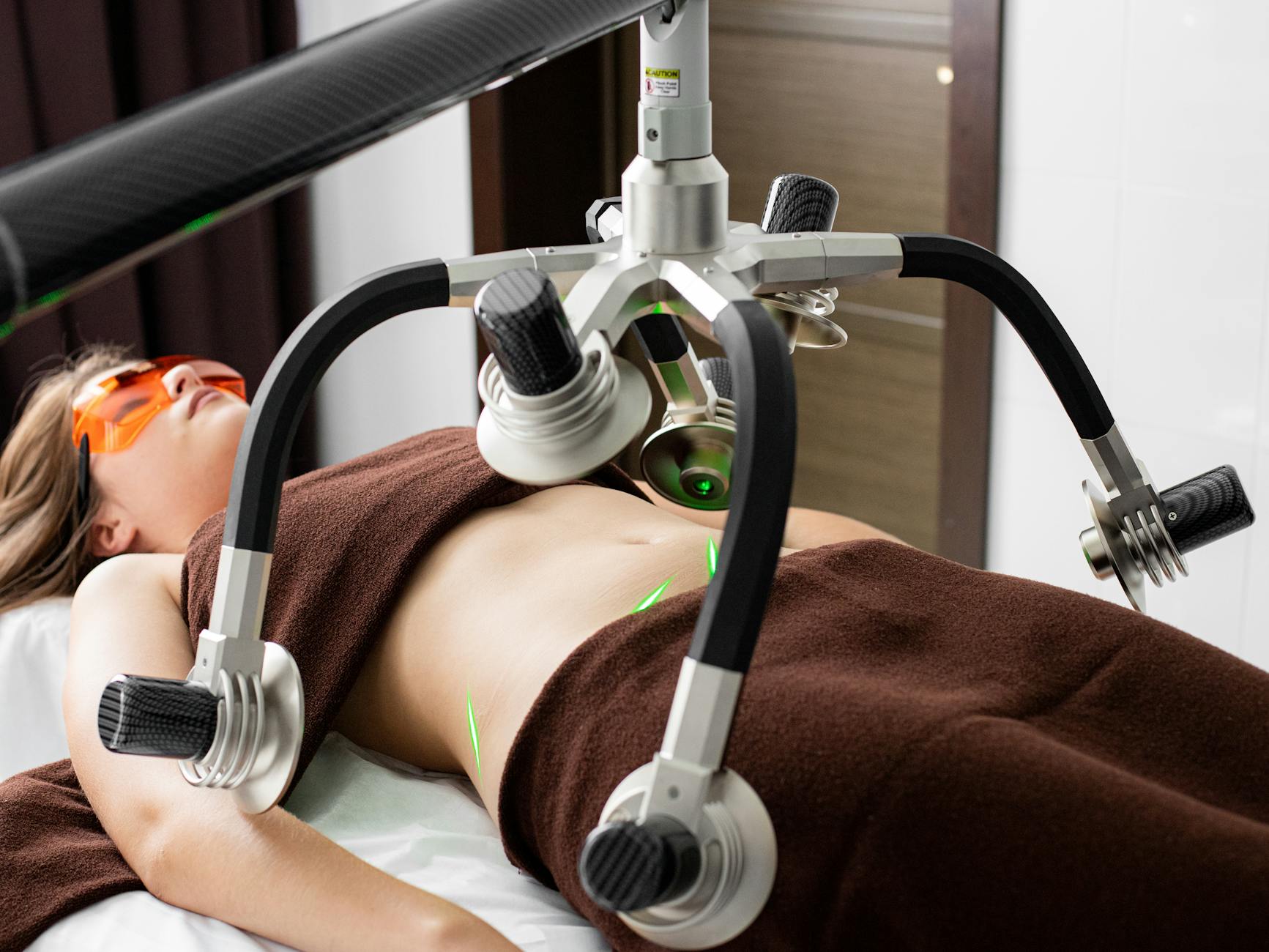
Liposuction and Medicare: Understanding Coverage in India
Liposuction, a procedure aimed at removing excess fat deposits from specific areas of the body, has become increasingly common. While often viewed as a cosmetic enhancement, there are situations where it can be medically necessary. For individuals in India relying on health insurance, understanding how such procedures are covered is vital. This article explores the nuances of Medicare (or similar health insurance schemes) coverage for liposuction, focusing on when it might be covered and what options are available.
What is Liposuction?
Liposuction is a surgical technique that uses suction to remove fat from areas like the abdomen, hips, thighs, buttocks, arms, and neck. It's primarily used to contour the body and remove stubborn fat pockets that don't respond to diet and exercise. While many associate it with aesthetic improvements, its medical applications are significant.
When is Liposuction Considered Medically Necessary?
In most cases, health insurance, including schemes similar to Medicare, considers liposuction an elective cosmetic procedure and thus, typically does not cover it. However, there are specific circumstances where it may be deemed medically necessary. These situations usually involve:
- Treating Injuries: Correcting deformities or improving function after a significant injury or burn.
- Congenital Abnormalities: Addressing malformed body parts that impair function.
- Specific Medical Conditions: Managing conditions where excess fat accumulation causes significant health problems. Examples include:
- Lipedema: A chronic condition characterized by symmetrical fat accumulation in the lower limbs, often causing pain and mobility issues. Liposuction can help improve mobility and reduce discomfort.
- Gynecomastia: In men, the enlargement of breast tissue due to excess fat can sometimes necessitate liposuction for functional or psychological reasons.
- Lymphedema: When conservative treatments fail, liposuction might be considered to remove excess fat that contributes to swelling and immobility in conditions like lymphedema.
- Lipodystrophy Syndromes: These conditions involve abnormal fat distribution. Liposuction can be used to remove fat from areas of accumulation and sometimes transfer it to areas of fat atrophy, easing physical discomfort.
- Morbid Obesity: In severe cases, liposuction might be a preparatory step for other essential medical procedures to improve outcomes.
Understanding Health Insurance Coverage in India
In India, health insurance policies vary widely. While the term "Medicare" is specific to the US system, Indian insurance providers have their own terms and conditions. Generally, cosmetic procedures are excluded. However, if a procedure like liposuction is certified as medically necessary by a qualified medical practitioner and is essential for treating a covered medical condition, it may be eligible for reimbursement. This often requires extensive documentation.
The Documentation Process
If you believe your liposuction procedure may be medically necessary and potentially covered by your insurance, meticulous documentation is key. This typically includes:
- Doctor's Prescription and Detailed Medical Report: A thorough explanation from your doctor detailing the medical condition, why liposuction is the necessary treatment, and why conservative methods are insufficient. This report should include diagnostic evidence.
- Diagnostic Reports: Any scans, tests, or examinations that support the diagnosis of the underlying medical condition.
- Pre-authorization (if applicable): For planned procedures, obtaining pre-authorization from your insurance provider is crucial to ensure coverage.
- Photographic Evidence: In some cases, before-and-after photos or images illustrating the medical condition might be required.
What if Liposuction is Not Covered?
If your insurance provider denies coverage for liposuction, several alternatives exist:
- Payment Plans: Many surgical centers and hospitals offer flexible payment plans or financing options to help manage the cost.
- Focus on Underlying Condition: If the liposuction itself isn't covered, explore insurance coverage for treatments related to the underlying medical condition that necessitates the procedure. For instance, if lipedema causes chronic pain and mobility issues, insurance might cover physiotherapy or pain management.
- Self-Funding: For purely cosmetic reasons, individuals often choose to self-fund the procedure.
Cost Considerations
The cost of liposuction can vary significantly depending on the area treated, the extent of the procedure, the surgeon's expertise, and the hospital or clinic's location and facilities. In India, costs can range from approximately ₹50,000 to ₹3,00,000 or more. Always get a detailed breakdown of all potential costs from your surgeon.
A Real-Life Scenario
Consider Mrs. Sharma, who suffers from severe lipedema. Her legs are disproportionately large, causing her immense pain, difficulty walking, and making it impossible to find comfortable clothing. After trying various conservative treatments with limited success, her doctor recommended liposuction to remove the excess fatty tissue and improve her mobility. Mrs. Sharma diligently gathered all her medical reports, diagnostic tests, and a detailed letter from her vascular specialist explaining the medical necessity of the procedure. She submitted this to her insurance company, hoping for coverage.
When to Consult a Doctor
You should consult a doctor if you experience:
- Persistent pain or discomfort related to localized fat deposits.
- Significant mobility issues due to excess fat accumulation in specific body areas.
- A diagnosed condition like lipedema, lymphedema, or gynecomastia that is impacting your quality of life.
- Concerns about body disfigurement due to injury or medical conditions.
Preventive Measures and Healthy Lifestyle
While liposuction addresses localized fat, maintaining a healthy lifestyle is paramount for overall well-being and managing weight. This includes:
- Balanced Nutrition: A diet rich in fruits, vegetables, lean proteins, and whole grains.
- Regular Exercise: Aim for at least 150 minutes of moderate-intensity aerobic activity or 75 minutes of vigorous-intensity activity per week, along with muscle-strengthening activities.
- Adequate Sleep: Prioritize 7-9 hours of quality sleep per night.
- Stress Management: Incorporate relaxation techniques like meditation or deep breathing exercises.
Frequently Asked Questions (FAQ)
Q1: Is liposuction a weight-loss surgery?
No, liposuction is not a weight-loss surgery. It is designed to remove stubborn fat deposits and contour the body. Significant weight loss requires a comprehensive approach involving diet and exercise.
Q2: What are the risks associated with liposuction?
Like any surgical procedure, liposuction carries risks, including infection, bleeding, fluid accumulation, numbness, contour irregularities, and anesthesia-related complications. Discuss these thoroughly with your surgeon.
Q3: How long is the recovery period after liposuction?
Recovery varies depending on the extent of the procedure. Most people can return to light activities within a few days to a week, but strenuous exercise should be avoided for several weeks.
Q4: Can Medicare Advantage (Part C) cover liposuction in India?
In India, the concept of Medicare Advantage is different. If you have a private health insurance plan, the coverage for liposuction will depend on the specific terms and conditions of your policy, particularly whether it's deemed medically necessary.