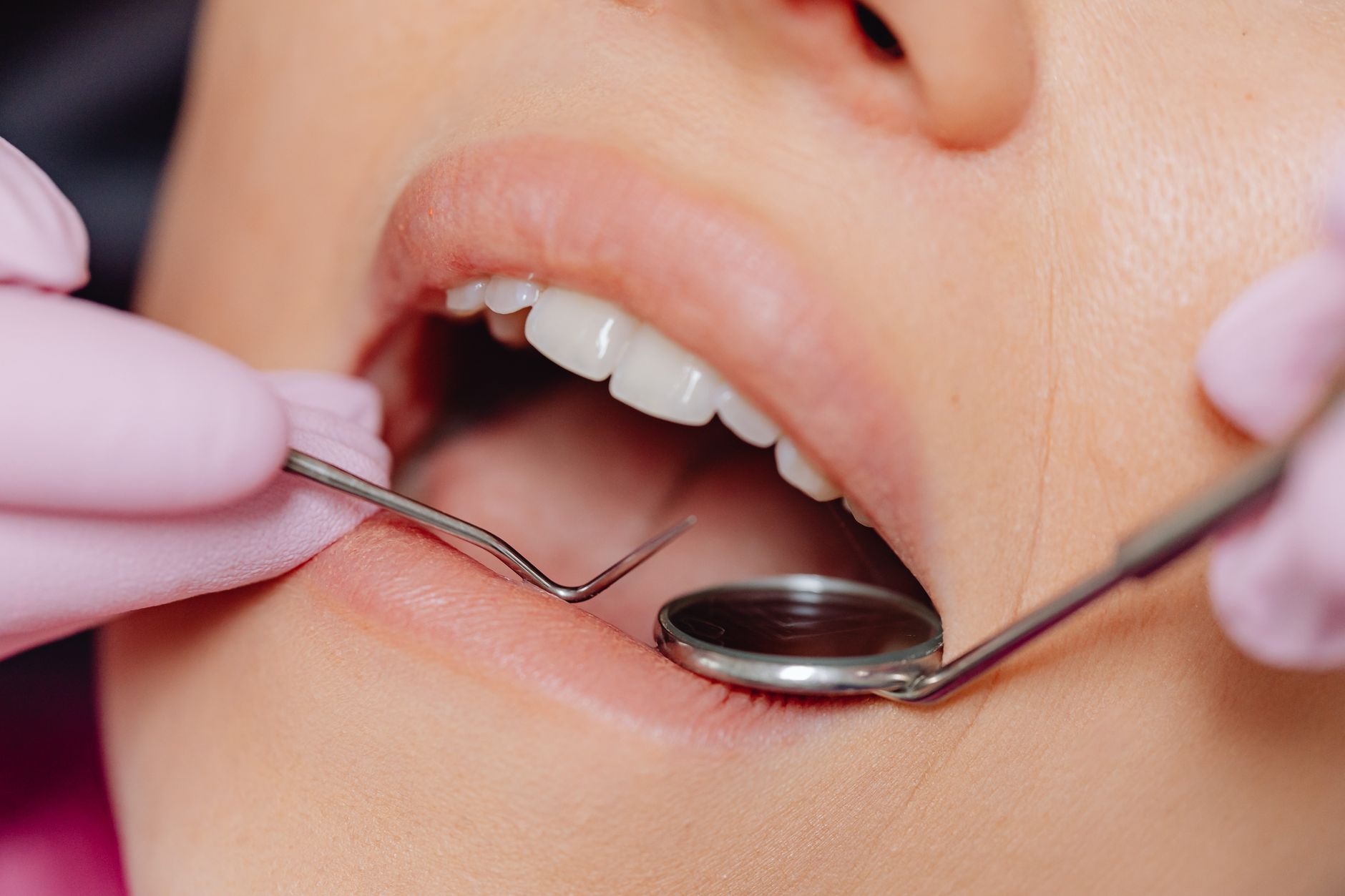
It's a common concern: a missing tooth. Whether it's due to decay, an injury, or gum disease, the gap left behind can affect your smile, your ability to chew, and even your confidence. Fortunately, modern dentistry offers several effective ways to replace missing teeth, restoring both function and aesthetics. In India, as in many parts of the world, understanding these options is key to making informed decisions about your oral health. This guide will walk you through the most popular and effective solutions, explaining their pros, cons, and what you can expect.
Why Do Teeth Go Missing?
Before we dive into replacements, let's briefly touch upon why teeth go missing in the first place:
- Tooth Decay: Advanced cavities can lead to tooth loss if not treated promptly.
- Gum Disease (Periodontitis): This infection can damage the bone supporting your teeth, causing them to loosen and fall out.
- Injury: Accidents, sports-related impacts, or even a fall can result in a knocked-out tooth.
- Genetics: In some cases, a person might be born with fewer teeth than usual (a condition called hypodontia).
- Age: While not a direct cause, the risk of conditions leading to tooth loss can increase with age.
Option 1: Dental Implants – The Permanent Solution
Dental implants are often considered the gold standard for replacing missing teeth. They offer a long-lasting, natural-looking solution that integrates directly with your jawbone.
How They Work:
A dental implant is essentially a small, screw-like post, usually made of titanium, that a dentist surgically places into your jawbone. This post acts as an artificial tooth root. After a healing period, during which the bone fuses with the implant (a process called osseointegration), a custom-made crown (the visible part of the tooth) is attached to the post. This creates a stable, durable replacement that feels and functions like a natural tooth.
Pros of Dental Implants:
- Durability: With proper care, implants can last a lifetime.
- Natural Feel and Appearance: They look, feel, and function just like your own teeth.
- Preserves Jawbone: Implants stimulate the jawbone, preventing the bone loss that occurs when a tooth is missing.
- Doesn't Affect Adjacent Teeth: Unlike bridges, implants don't require grinding down healthy neighbouring teeth for support.
- Easy to Care For: You can brush and floss them just like your natural teeth.
Cons of Dental Implants:
- Cost: Implants are generally the most expensive option. In India, the cost can range significantly, but expect it to be a substantial investment.
- Surgical Procedure: It involves surgery, requiring a healing period that can take several months.
- Requires Good Bone Health: You need sufficient healthy jawbone to support the implant. Bone grafting may be necessary if bone density is low.
- Not for Everyone: Certain medical conditions or lifestyle choices (like heavy smoking) might make implants unsuitable.
A Real-Life Scenario:
Ramesh, a 45-year-old IT professional, lost a molar in an accident. He was hesitant about dentures and bridges affecting his other teeth. After consulting his dentist, he opted for an implant. The process took about six months, including healing, but he's thrilled with the result – it feels just like his original tooth, and he can eat comfortably again without worrying about it.
Option 2: Fixed Dental Bridges – Bridging the Gap
A fixed dental bridge is another popular option, especially when you're missing one or a few teeth in a row. As the name suggests, it literally bridges the gap left by missing teeth.
How They Work:
A bridge typically consists of one or more artificial teeth (called pontics) held in place by dental crowns attached to the natural teeth on either side of the gap. These adjacent teeth, called abutment teeth, are prepared by grinding them down to make space for the crowns. The artificial teeth are then cemented onto these crowns, effectively creating a bridge that fills the space.
Pros of Fixed Bridges:
- Natural Appearance: Bridges can be made to match the colour and shape of your natural teeth.
- Improved Chewing: They restore your ability to chew properly.
- Faster Procedure: The process is usually quicker than implants, often completed in two dental visits.
- Less Expensive than Implants: Generally more affordable than dental implants.
Cons of Fixed Bridges:
- Affects Adjacent Teeth: The abutment teeth need to be altered, which can make them more susceptible to decay or sensitivity over time.
- Cleaning Challenges: Special cleaning techniques and tools are needed to clean under the bridge, as food particles can get trapped, leading to decay or gum problems.
- Lifespan: Bridges typically last 5 to 15 years, requiring replacement eventually.
- Bone Loss: They don't stimulate the jawbone beneath the missing tooth, so some bone loss can still occur over time.
Option 3: Removable Partial Dentures – A Flexible Choice
For those who need to replace multiple missing teeth, or who prefer a less invasive and more affordable option, removable partial dentures are a viable choice.
How They Work:
A partial denture consists of one or more artificial teeth attached to a gum-coloured plastic base. This base is often connected by a metal framework. The denture rests on your gums and is usually held in place by clasps that attach to your natural teeth. Some modern partials use precision attachments for a more secure and aesthetic fit, without visible clasps.
Pros of Partial Dentures:
- Affordability: Generally the most cost-effective option.
- Less Invasive: No surgery or grinding down of healthy teeth is usually required.
- Ease of Repair: If a tooth on the denture breaks, it can often be repaired or replaced relatively easily.
- Quick Placement: Can often be made and fitted in a relatively short period.
Cons of Partial Dentures:
- Less Stable: They can sometimes feel loose or shift during eating or speaking.
- Comfort: Some people find them uncomfortable or bulky, especially initially.
- Maintenance: They need to be removed for cleaning daily and should not be worn overnight to allow gums to rest.
- Appearance: While designed to look natural, the clasps can sometimes be visible.
- Potential for Gum Irritation: The clasps or the denture base can sometimes irritate the gums.
Making Your Decision: What to Consider
Choosing the right tooth replacement option depends on several factors:
- Number of Missing Teeth: Are you missing one tooth, a few in a row, or many?
- Location of Missing Teeth: Front teeth require different aesthetic considerations than back teeth.
- Your Jawbone Health: Crucial for implants.
- Budget: Implants are the most expensive, followed by bridges, with partials being the most affordable.
- Your Overall Health: Certain conditions might influence the suitability of surgical options.
- Your Preferences: How important is a permanent solution versus a removable one? How do you feel about altering healthy teeth?
When to Consult Your Dentist
If you have a missing tooth or are concerned about potential tooth loss, the best course of action is to schedule an appointment with your dentist. They can:
- Assess the cause of your missing tooth.
- Examine your oral health, including your gums and jawbone.
- Discuss all available replacement options tailored to your specific needs.
- Explain the costs, procedures, and expected outcomes in detail.
- Help you make an informed decision that aligns with your health goals and budget.
Don't let a missing tooth impact your quality of life. With the advanced options available today, you can restore your smile and regain confidence in your oral health. Reach out to your dentist to explore the best path forward for you.
Frequently Asked Questions (FAQ)
Q1: Can I live without replacing a missing tooth?
While you can technically live without replacing a missing tooth, it's generally not recommended. Over time, the surrounding teeth can shift into the gap, leading to bite problems, difficulty chewing, and increased risk of decay in the shifted teeth. Bone loss in the jaw can also occur.
Q2: How much do tooth replacements typically cost in India?
Costs vary widely based on the city, the dentist's experience, the materials used, and the type of replacement. Generally, dental implants are the most expensive, followed by bridges, and then partial dentures. It's best to get a personalized quote from your dentist after a consultation.
Q3: Are tooth replacement procedures painful?
Dentists use local anaesthesia to ensure comfort during procedures like implant placement or preparing teeth for bridges. You might experience some discomfort or soreness after the anaesthesia wears off, but this can usually be managed with over-the-counter pain relievers. Your dentist will provide post-operative care instructions.
Q4: How long does it take to get a replacement tooth?
This depends on the option. Removable partial dentures can often be made in a few weeks. Fixed bridges usually take a couple of dental visits over a few weeks. Dental implants have the longest timeline, as they require several months for the implant to fuse with the bone before the final crown can be attached.