Understanding Abdominoplasty (Tummy Tuck) in India
An abdominoplasty, commonly known as a ‘tummy tuck’, is a surgical procedure designed to flatten the stomach area. It involves removing excess skin and fat, and often tightening the abdominal muscles. While primarily sought for cosmetic reasons, particularly after pregnancy or significant weight loss, many in India wonder about its potential health benefits. This article explores the health advantages, associated risks, recovery process, and alternatives to tummy tuck surgery, tailored for an Indian audience.
Who is a Good Candidate for a Tummy Tuck?
The ideal candidates for a tummy tuck are individuals who:
- Have excess skin and fat in the abdominal area that doesn't respond to diet and exercise.
- Are at a stable weight.
- Are non-smokers.
- Are in good general health and have realistic expectations about the results.
- Have completed their family or are not planning future pregnancies, as pregnancy can affect the surgical results.
It's important to note that a tummy tuck is not a weight-loss solution but rather a body-contouring procedure. It is best suited for those who have already achieved a healthy weight or are close to it.
Potential Health Benefits of Tummy Tuck Surgery
While the primary motivation is often aesthetic, a tummy tuck can offer several health benefits:
1. Improved Core Strength and Back Support
Pregnancy or significant weight fluctuations can weaken abdominal muscles, leading to conditions like diastasis recti (separation of abdominal muscles). A tummy tuck can repair these muscles, strengthening the core. A stronger core provides better support for the spine, potentially reducing chronic back pain and improving posture over time. This can be particularly beneficial for individuals who experience discomfort or instability in their lower back.
2. May Help Improve Stress Urinary Incontinence (SUI)
Stress urinary incontinence is a condition where physical activity, like coughing or sneezing, causes urine leakage due to pressure on the bladder. While not a primary treatment, some studies suggest that the tightening of abdominal muscles during a tummy tuck can improve bladder support and reduce SUI symptoms in some women. This can significantly improve quality of life.
3. Correction of Ventral Hernias
A ventral hernia occurs when tissue protrudes through a weakness in the abdominal wall. A tummy tuck can sometimes help correct these hernias by strengthening the abdominal muscles and reducing pressure on the abdominal wall. In some cases, the abdominoplasty procedure may be combined with hernia repair surgery for a more comprehensive solution.
4. Enhanced Confidence and Self-Esteem
For many, the excess skin and weakened abdominal muscles after pregnancy or weight loss can lead to feelings of self-consciousness and low self-esteem. Successfully addressing these concerns through surgery can lead to a significant boost in confidence and body image, positively impacting mental well-being and social interactions.
5. Reduced Risk of Chronic Diseases (Indirect Benefit)
It's crucial to understand that this benefit is not a direct result of the surgery itself, but rather a consequence of achieving a healthier weight before the surgery. Studies show that losing 5-10% or more of excess body weight is associated with a reduced risk of chronic diseases like type 2 diabetes, heart disease, and high blood pressure. If a tummy tuck helps an individual feel more motivated to maintain a healthy lifestyle post-surgery, it can indirectly contribute to these long-term health improvements.
Risks and Complications Associated with Tummy Tuck Surgery
Like any major surgical procedure, abdominoplasty carries risks. It's essential to be aware of these potential complications:
- Infection: Wound infections can occur, requiring antibiotics or further treatment.
- Bleeding: Excessive bleeding during or after surgery may necessitate blood transfusions or further surgical intervention.
- Blood Clots: Deep vein thrombosis (DVT) or pulmonary embolism (PE) are serious risks, though rare.
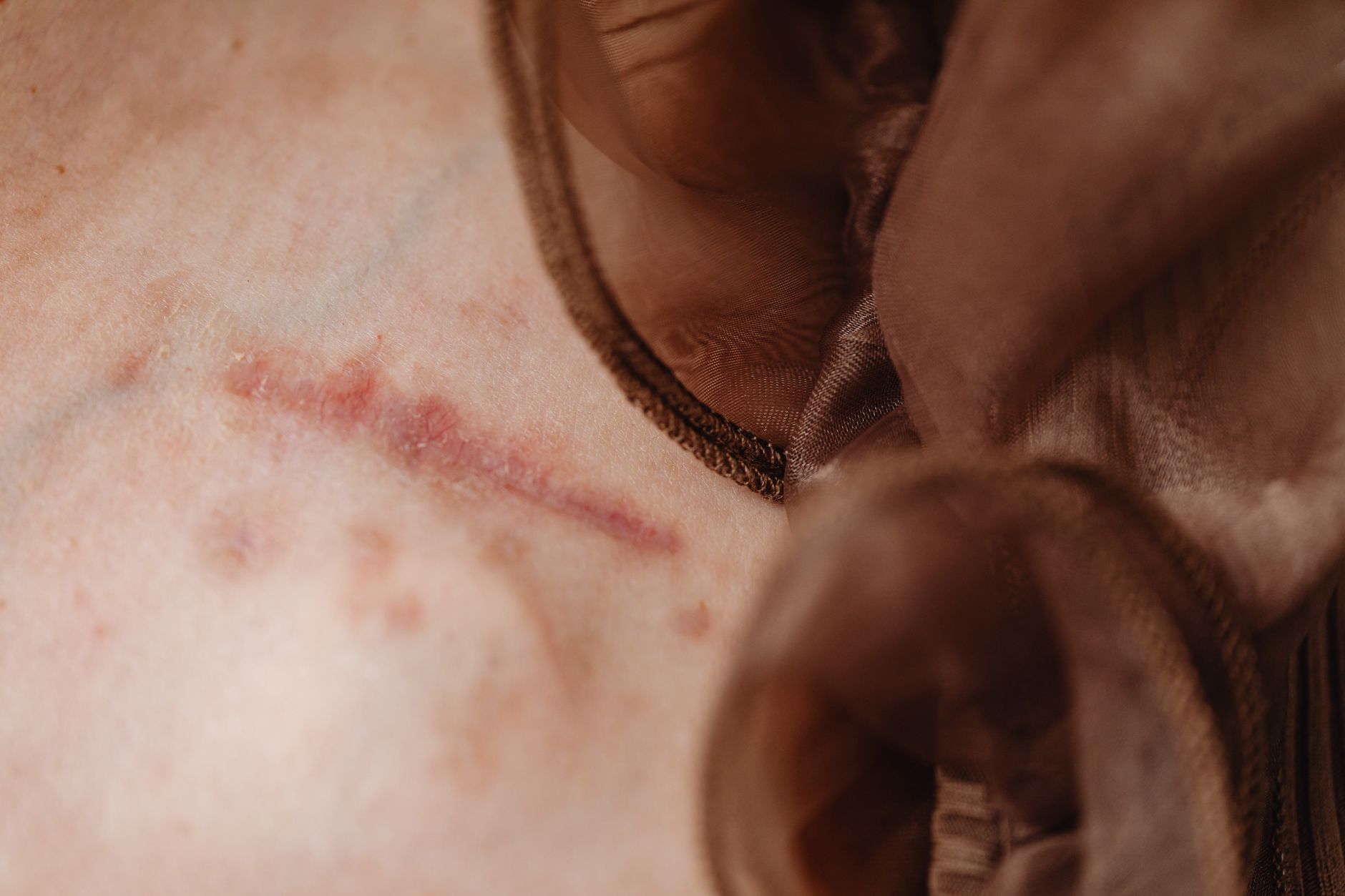
- Scarring: Tummy tucks result in permanent scars, typically along the lower abdomen, which can be significant.
- Numbness or Changes in Skin Sensation: Temporary or permanent numbness in the abdominal area is common.
- Poor Wound Healing: Some individuals may experience delayed healing or wound separation.
- Anesthesia Risks: As with any surgery involving anesthesia, there are associated risks.
- Aesthetic Concerns: Dissatisfaction with the cosmetic outcome, asymmetry, or contour irregularities.
A 2015 review of nearly 3,000 abdominoplasties found that about 19.5% of patients experienced some form of complication, ranging from minor wound issues to more severe problems like kidney failure or heart complications. Around 8.5% required hospital readmission, and 5% needed additional surgery. Factors like a high Body Mass Index (BMI), pre-existing health conditions (comorbidities), and rapid weight loss prior to surgery can increase the risk of complications.
The Recovery Process
Recovery from a tummy tuck is a significant process and typically requires at least two weeks of rest. During this period:
- Pain Management: Pain and discomfort are expected and managed with prescribed medications.
- Compression Garment: Wearing a surgical compression garment is crucial to reduce swelling and support the abdomen.
- Activity Restrictions: Strenuous activities, heavy lifting, and bending should be avoided for several weeks.
- Drainage Tubes: Temporary drainage tubes may be placed to remove excess fluid.
- Follow-up Appointments: Regular check-ups with the surgeon are necessary to monitor healing.
Full recovery can take several months, and it's vital to follow your surgeon's post-operative instructions meticulously.
Alternatives to Tummy Tuck Surgery
For those not ready for surgery or seeking less invasive options, several alternatives exist:
- Non-Surgical Weight Loss: Achieving a healthy weight through diet and exercise remains the cornerstone of improving abdominal health and appearance.
- CoolSculpting/Liposuction: These procedures can target and remove localized fat deposits but do not address excess skin or muscle laxity.
- Exercise Programs: Targeted exercises, including core strengthening routines, can improve muscle tone and posture.
- Healthy Diet: A balanced diet rich in nutrients supports overall health and can aid in weight management.
- Vaginal Birth After Cesarean (VBAC) or waiting for C-section recovery: For women concerned about abdominal muscle separation post-pregnancy, focusing on postpartum recovery and specific exercises can help.
When to Consult a Doctor
It is advisable to consult a qualified plastic surgeon if you are considering a tummy tuck. They can assess your individual needs, discuss the risks and benefits, and determine if you are a suitable candidate. Additionally, consult your doctor if you experience:
- Persistent or severe back pain.
- Symptoms of stress urinary incontinence.
- A noticeable bulge or discomfort in the abdominal area that could indicate a hernia.
- Significant distress or low self-esteem related to your abdominal appearance.
Frequently Asked Questions (FAQs)
Q1: Is a tummy tuck considered a weight-loss surgery?
A1: No, a tummy tuck is not a weight-loss surgery. It is a cosmetic procedure to remove excess skin and tighten abdominal muscles. While some fat may be removed, it is not designed for significant fat reduction.
Q2: Can a tummy tuck help with weight loss?
A2: The surgery itself does not cause weight loss. However, achieving a healthier weight before the surgery can lead to reduced risks of chronic diseases. Some individuals may feel more motivated to maintain a healthy lifestyle post-surgery.
Q3: How long do the results of a tummy tuck last?
A3: The results are generally long-lasting, provided you maintain a stable weight and healthy lifestyle. Future pregnancies or significant weight gain can alter the results.
Q4: Will I have scars after a tummy tuck?
A4: Yes, a tummy tuck results in permanent scars, typically located horizontally along the lower abdomen, usually hidden within the bikini line. The visibility of the scars depends on individual healing and surgical technique.
Q5: Is tummy tuck surgery painful?
A5: Some level of pain and discomfort is expected after surgery. This is managed with pain medication prescribed by your surgeon. The intensity of pain varies among individuals.
Q6: How soon can I exercise after a tummy tuck?
A6: You will need to avoid strenuous exercise for at least 4-6 weeks. Your surgeon will provide specific guidelines on when it is safe to gradually resume physical activity.
Conclusion
Abdominoplasty, or tummy tuck, can offer tangible health benefits beyond aesthetics, such as improved core strength, potential relief from back pain, and help with urinary incontinence. However, it is a major surgical procedure with inherent risks and a demanding recovery period. For individuals in India considering this surgery, a thorough consultation with a qualified plastic surgeon is essential to weigh the benefits against the risks and explore all available options, including non-surgical alternatives and lifestyle modifications.