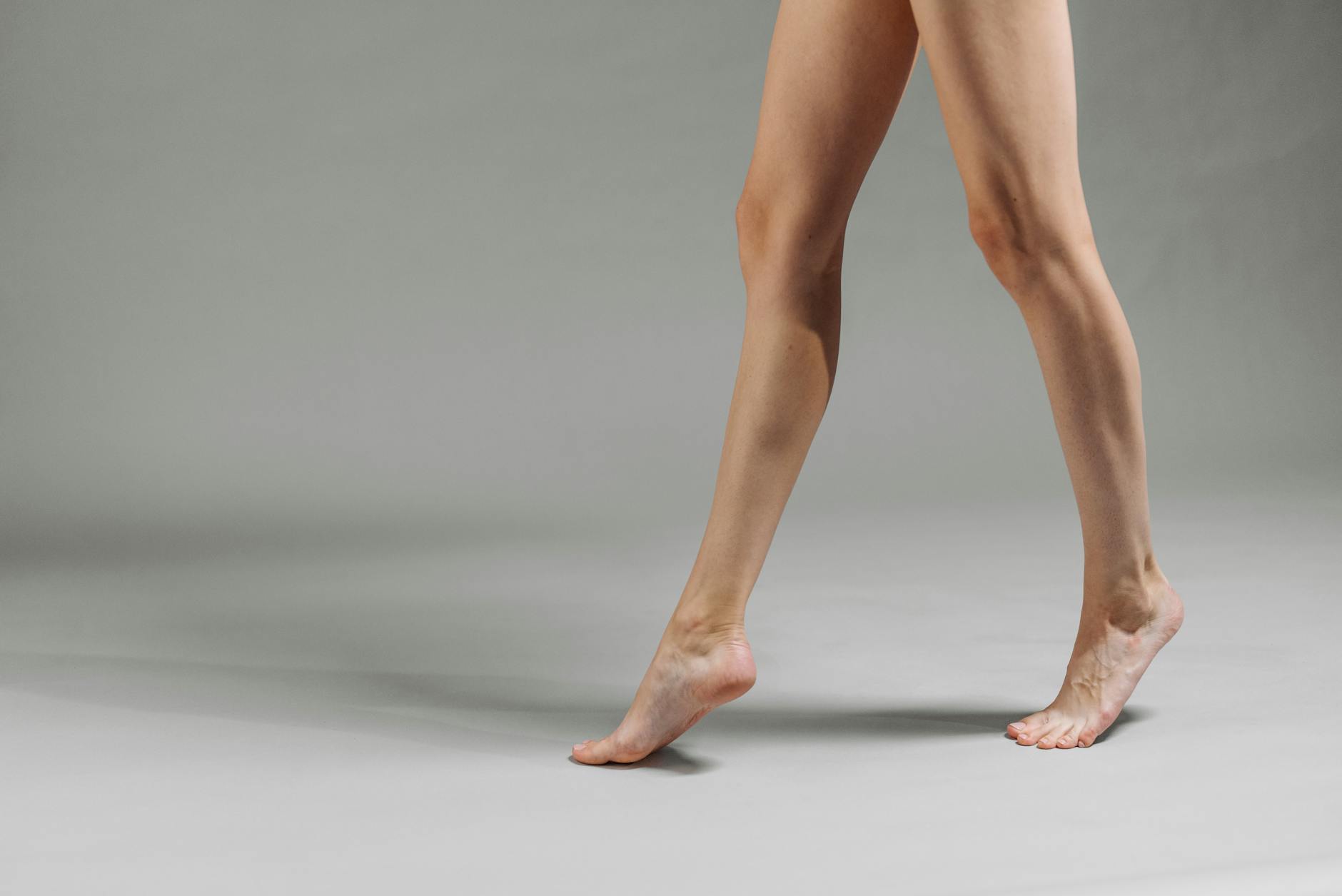
The term 'cankles' is commonly used, but it isn't a medical diagnosis. It describes a situation where the calf and ankle appear to blend into one another, lacking a distinct definition. This can happen due to a variety of factors, including genetics, muscle tone, fat distribution, and fluid retention. For many, this aesthetic concern persists despite dedicated efforts in diet and exercise, leading to questions about potential solutions.
If you've found yourself scrutinizing your lower legs in the mirror, wondering why your ankles seem disproportionately large compared to your calves, you're not alone. Many individuals in India, concerned about the appearance of their lower legs, explore various avenues to achieve a more sculpted look. This article aims to demystify the causes behind 'cankles' and explore when medical interventions, like liposuction, might be considered.
What Causes 'Cankles'?
The appearance of 'cankles' can stem from several underlying reasons:
- Genetics: Your genetic makeup plays a significant role in how your body stores fat and develops muscle. Some people are simply predisposed to having less definition between their calf and ankle.
- Fat Distribution: Excess fat can accumulate in the lower leg area, particularly around the ankle, making it appear larger. This fat can be resistant to traditional weight loss methods.
- Muscle Tone: Poorly developed calf muscles can contribute to a less defined appearance. While weightlifting can help, certain areas of the lower leg can be challenging to target effectively.
- Fluid Retention: Swelling in the ankles and feet can create the illusion of 'cankles'. This can be caused by prolonged standing, certain dietary habits (like high sodium intake), or underlying medical conditions.
- Lipedema: This is a chronic condition affecting up to 11% of women, characterized by the symmetrical accumulation of fat in the legs, typically from the hips to the ankles. It can be painful and is often resistant to diet and exercise. Lipedema is thought to be hormone-related and can significantly impact quality of life.
- Pregnancy: Swelling in the feet and ankles is very common during pregnancy, especially in the later stages, due to hormonal changes and increased pressure.
- Other Medical Conditions: Certain health issues, such as liver or kidney disease, can lead to significant swelling in the lower extremities. Lymphedema, a condition involving the buildup of lymphatic fluid, can also cause enlarged ankles.
Consider Priya, a 35-year-old homemaker from Delhi. She diligently follows a healthy diet and exercises regularly, including calf raises and squats, but her ankles remain stubbornly thick, making her feel self-conscious when wearing traditional Indian sandals. She suspects it might be more than just a lack of exercise.
When Diet and Exercise Aren't Enough
It's frustrating when you put in the effort with diet and exercise, yet see little change in a specific area like your ankles. While maintaining a healthy lifestyle is paramount for overall well-being, some fat deposits and body shapes are genetically determined or influenced by hormonal factors. If you've achieved a healthy weight and toned your body, but the lower leg definition still isn't where you'd like it to be, it might be time to explore other options.
The key is to differentiate between general excess fat that can be reduced with lifestyle changes and fat that is particularly stubborn or related to a medical condition like lipedema. For general cosmetic concerns, surgical options might be considered. If pain or significant functional impairment is present, addressing the underlying medical cause is the priority.
Exploring Surgical Solutions: Ankle Liposuction
When conservative measures fall short, and the concern is primarily cosmetic, ankle liposuction is a procedure that patients consider. It's important to understand that liposuction is not a weight-loss solution or a treatment for obesity. Instead, it is a body-contouring procedure designed to remove localized, stubborn fat deposits that are resistant to diet and exercise.
Who is a Good Candidate for Ankle Liposuction?
The best candidates for ankle liposuction are adults who:
- Are within a reasonable percentage of their ideal body weight (often within 30%).
- Have firm, elastic skin that will retract well after fat removal.
- Have realistic expectations about the outcomes.
- Are seeking to improve the contour and definition of their lower legs.
- Are generally healthy and free from medical conditions that could complicate surgery or recovery.
It is crucial that the procedure is performed by a qualified and experienced plastic surgeon.
What to Expect During and After the Procedure
Ankle liposuction is a minimally invasive procedure. Here's a general outline of what happens:
- Anesthesia: Local anesthesia is typically used, ensuring you remain comfortable and pain-free during the procedure. In some cases, sedation or general anesthesia might be employed.
- Incision: Tiny incisions are made in the skin, usually in inconspicuous areas.
- Fat Removal: A thin, hollow tube called a cannula is inserted through the incisions to suction out the excess fat.
- Closure: The small incisions are closed.
Post-Procedure:
- You will likely experience some swelling and bruising in the treated area, which is normal.
- Compression garments are usually recommended to help reduce swelling and support the tissues as they heal.
- You may need to wear these garments for several weeks.
- Most patients can return to light activities within a few days, but strenuous exercise should be avoided for several weeks.
- It can take several months (typically 3-4 months) to see the final results as the swelling subsides completely and the skin retracts.
Potential Risks and Drawbacks
Like any surgical procedure, ankle liposuction carries potential risks. These can include infection, bleeding, scarring, uneven results, and changes in skin sensation. It's essential to have a thorough consultation with your surgeon to discuss these risks in detail.
The Cost Factor
Ankle liposuction is considered a cosmetic procedure and is therefore not typically covered by health insurance. The cost can vary significantly based on your location, the surgeon's expertise, and the extent of the procedure. In India, costs can range from approximately ₹70,000 to ₹2,00,000 or more, not including pre-operative and post-operative care, anesthesia, and facility fees. It's vital to get a detailed breakdown of all potential costs from your chosen clinic.
Addressing Underlying Medical Conditions
If your concern about 'cankles' is accompanied by pain, significant swelling that doesn't resolve, or if you suspect a condition like lipedema or lymphedema, consulting a doctor is the first and most important step. These conditions require specific medical management.
- Lymphedema: Management often involves manual lymphatic drainage (a specialized massage), compression garments, and sometimes medication.
- Lipedema: While liposuction can be an option for severe cases, medical management may include lifestyle adjustments, compression therapy, and pain management.
A thorough medical evaluation will help determine the exact cause of your ankle swelling and guide the most appropriate treatment plan, which may or may not involve surgery.
When to Consult a Doctor
You should consult a doctor if you experience any of the following:
- Sudden or severe swelling in your ankles.
- Swelling that is accompanied by pain, redness, or warmth.
- Swelling that doesn't improve with home care measures like elevating your feet and reducing salt intake.
- Concerns about the appearance of your ankles that persist despite a healthy lifestyle and you wish to explore all options.
- You suspect you might have a condition like lipedema or lymphedema.
Your doctor can assess your situation, perform necessary tests, and refer you to a specialist if needed. For cosmetic concerns, they can guide you on whether liposuction or other aesthetic treatments are suitable for you.
Frequently Asked Questions (FAQ)
Q1: Can I get rid of cankles with exercise alone?
For some individuals, specific calf-strengthening exercises combined with overall weight loss can improve the definition. However, for many, especially those with genetic predisposition or significant fat deposits, exercise alone may not yield the desired results.
Q2: Is ankle liposuction painful?
The procedure is performed under anesthesia, so you won't feel pain during the surgery. Post-operatively, some discomfort, swelling, and bruising are expected, which can be managed with pain medication.
Q3: How long does it take to recover from ankle liposuction?
Most people can resume light activities within a few days. However, a full recovery, including the complete resolution of swelling and the appearance of final results, can take 3 to 4 months.
Q4: Will my ankles look unnatural after liposuction?
When performed by a skilled surgeon, liposuction aims to create a natural and proportionate contour. Realistic expectations and open communication with your surgeon are key to achieving satisfactory results.