

Emergency & Help
24/7 Emergency & General Advisory
🚨 24/7 Medical Emergency
Non-Emergency Advisory
10:00 AM – 6:00 PM, Mon–Sat
For appointments & general queries.
24/7 Emergency & General Advisory
🚨 24/7 Medical Emergency
Non-Emergency Advisory
10:00 AM – 6:00 PM, Mon–Sat
For appointments & general queries.
Confused about who to see for your eye care needs? Learn the differences between optometrists and ophthalmologists, their training, and what services they offer to help you choose the right professional.
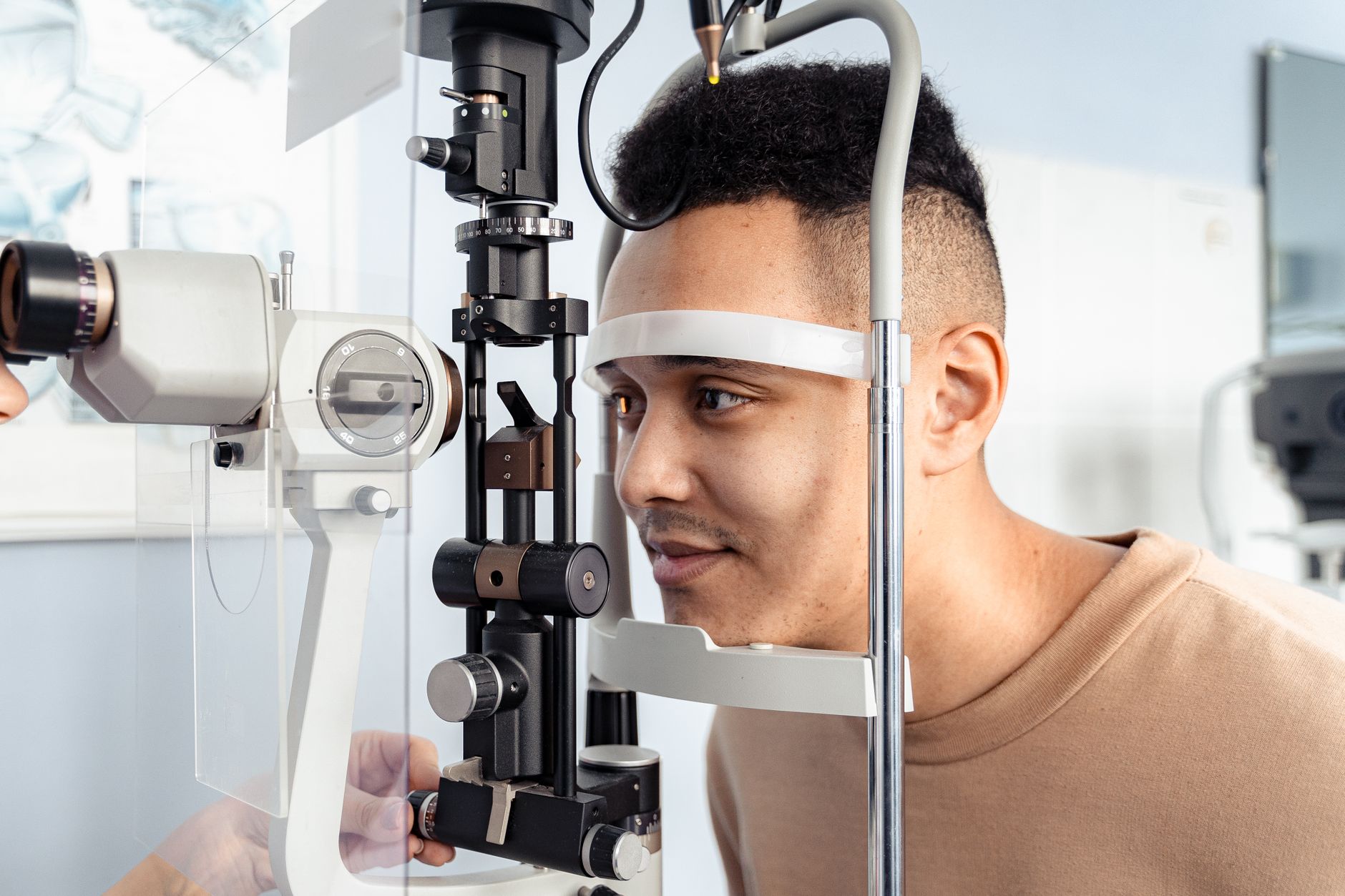
Navigating the world of eye care can sometimes feel like trying to read a new prescription without your glasses! You know you need to see someone about your eyes, but who exactly should you book an appointment with? The terms optometrist, ophthalmologist, and optician often get used interchangeably, but they represent distinct roles in maintaining your vision and eye health. Understanding these differences is key to getting the right care at the right time.
In India, as across the globe, specialized eye care professionals play vital roles. Whether you need a routine check-up, a new pair of glasses, or are facing a serious eye condition, knowing who to turn to ensures you receive the most appropriate and effective treatment. This guide will help you understand the unique training, scope of practice, and services offered by optometrists and ophthalmologists, so you can make an informed decision about your eye care journey.
Think of an optometrist as your primary eye care provider. They are the first point of contact for most people seeking routine vision testing and general eye health assessments. An optometrist is a doctor of optometry (OD), having completed a rigorous postgraduate program that typically lasts around four years. This comprehensive education includes extensive coursework in basic and advanced eye examination techniques, understanding patient case histories, and the pharmacology related to eye conditions. Crucially, their training also involves significant clinical experience, often spanning the final year or two of their studies, where they gain hands-on experience diagnosing and managing common eye issues under supervision.
While they are not medical doctors in the same vein as ophthalmologists, optometrists are highly trained to detect a wide range of vision defects and eye diseases. They can prescribe corrective lenses, such as eyeglasses and contact lenses, and manage many common eye conditions. In many parts of India, depending on specific regulations and their advanced training, some optometrists may also be trained to perform minor surgical procedures, like removing foreign objects from the eye, and can prescribe certain medications for eye conditions.
An ophthalmologist is a medical doctor (MD or DO) who specializes in eye and vision care. Their training goes a step further, encompassing a full medical degree, followed by a year-long internship, and then a specialized residency program in ophthalmology that typically lasts three years. This extensive medical background means ophthalmologists are equipped to handle the full spectrum of eye care, from routine check-ups to complex medical and surgical treatments.
Ophthalmologists are trained to perform eye surgeries, diagnose and treat all eye diseases, and prescribe and fit eyeglasses and contact lenses. Their residency program focuses heavily on the diagnosis and management of both internal and external eye diseases, along with extensive training in ophthalmic surgical procedures. Many ophthalmologists also choose to pursue further specialization through fellowships, dedicating an additional one to two years to sub-specialties such as neuro-ophthalmology, pediatric ophthalmology, or ocular oncology. This allows them to become experts in very specific and often complex areas of eye care.
The choice between an optometrist and an ophthalmologist largely depends on your specific needs and the nature of your eye issue.
Scenario: Ramesh notices his glasses feel a bit weak, and he’s experiencing some eye strain by the end of the day. He hasn't had a check-up in over a year. Booking an appointment with his local optometrist would be the most appropriate next step to get his vision checked and update his prescription.
Scenario: Sunita has been diagnosed with early-stage cataracts by her optometrist and is experiencing increasing difficulty with night driving. Her optometrist has referred her to an ophthalmologist for further evaluation and to discuss surgical options.
It's also worth mentioning opticians. While optometrists and ophthalmologists diagnose and treat eye conditions, opticians are specialists in fitting and dispensing eyeglasses and contact lenses. They work from prescriptions provided by optometrists or ophthalmologists. Opticians help you choose frames that suit your face shape and fit your prescription accurately, ensuring comfort and optimal vision. Their training is typically less extensive than that of optometrists or ophthalmologists, often involving a 1- to 2-year program focused on ophthalmic dispensing.
Your eye health is a vital part of your overall well-being. By understanding the distinct roles of optometrists and ophthalmologists, you can confidently seek the care you need. For everyday vision needs and routine eye care, your optometrist is your go-to professional. When faced with more serious eye conditions, diseases, or the need for surgery, an ophthalmologist is the specialist you should consult. Don't hesitate to ask your primary care doctor or even your optometrist for a referral if you're unsure about which specialist to see. Regular eye check-ups are essential, regardless of which professional you visit, to maintain clear vision and healthy eyes throughout your life.
While optometrists primarily focus on routine eye care and managing common conditions, some may perform minor surgical procedures like foreign body removal. However, complex eye surgeries are exclusively performed by ophthalmologists.
Yes, an ophthalmologist is a medical doctor who is trained to perform surgery on the eyes. Their specialization includes both medical and surgical treatment of eye diseases.
Yes, you can see an ophthalmologist for a routine eye exam. However, for general vision testing and primary eye care, an optometrist is usually the more accessible and cost-effective option. An ophthalmologist's expertise is more critical for diagnosing and treating eye diseases and performing surgery.
Ophthalmologists generally earn a significantly higher salary than optometrists due to their extensive medical training and surgical capabilities. In 2023, the median salary for optometrists was around $131,860, while ophthalmologists earned considerably more, with an average salary reported around $312,120.
Visit Hospital
Near You

best gastroenterology near me Dr. Ishan Zaidi, gastroenterologist in Allahabad with 12 years' experience, treats fatty liver, IBS, hepatitis, cirrhosis, GERD, and gallbladder disorders. Trained at Tata Memorial and Medanta. Book your consultation for expert digestive and liver care today.
August 7, 2026
Explore the growing specialty hospital landscape in Pakur, offering advanced medical care and expert treatments for complex health conditions.
May 9, 2026

Learn how to find and choose the right hematologist-oncologist and other specialists to manage your Chronic Myeloid Leukemia (CML) care effectively. Discover resources and tips for building a strong treatment team.
April 1, 2026