

Emergency & Help
24/7 Emergency & General Advisory
🚨 24/7 Medical Emergency
Non-Emergency Advisory
10:00 AM – 6:00 PM, Mon–Sat
For appointments & general queries.
24/7 Emergency & General Advisory
🚨 24/7 Medical Emergency
Non-Emergency Advisory
10:00 AM – 6:00 PM, Mon–Sat
For appointments & general queries.
Learn about apicoectomy, a minor surgical procedure to save teeth with persistent root-end infections. Understand the process, recovery, and success rates.

Losing a tooth can feel like a significant blow, not just to your smile but also to your overall oral health. Fortunately, modern dentistry offers advanced procedures to save teeth that might otherwise be lost. One such procedure is the apicoectomy, often referred to as root end surgery. While the name might sound intimidating, it's a common and highly effective way to address persistent infections or inflammation at the tip of a tooth's root, especially after a standard root canal treatment hasn't fully resolved the issue. This blog post will guide you through what an apicoectomy entails, why it's performed, what to expect before, during, and after the procedure, and its success rates. Our goal is to provide clear, practical information for our readers in India, helping you make informed decisions about your dental care. What is an Apicoectomy? An apicoectomy is a minor surgical procedure performed by a dentist or, more commonly, an endodontist (a specialist in root canal therapy). It involves removing the very tip of a tooth's root, known as the apex, along with any inflamed or infected tissue surrounding it. After the root tip is removed, the remaining root canal is cleaned, sealed, and filled to prevent further infection. Think of it as a 'tune-up' for a tooth that has already undergone a root canal but is still causing problems. This procedure is typically recommended when a tooth has undergone a root canal, but the infection or inflammation persists, often because the infection has spread beyond the tip of the root into the jawbone. If left untreated, this can lead to more serious complications, including bone loss and the potential spread of infection. Why Might You Need an Apicoectomy? Several situations might lead your dentist to suggest an apicoectomy: Persistent Infection or Inflammation: The most common reason is an ongoing infection or inflammation at the root tip that wasn't fully resolved by a previous root canal. This can happen if the root canal couldn't completely clean out all the infected material or if there were tiny canals missed during the initial treatment. Anatomical Issues: Some teeth have complex root structures, like curved or unusually shaped root tips, or roots that are very close together. These complexities can make it difficult to thoroughly clean and seal the root canal during a standard procedure, increasing the risk of future problems. Failed Root Canal: If a root canal treatment has failed, and retreatment isn't a viable option, an apicoectomy might be the best way to save the tooth. Cysts or Granulomas: Small cysts or granulomas (collections of inflammatory cells) can form around the root tip, requiring surgical removal. Instrument Separation: Occasionally, a dental instrument might break during a root canal procedure and remain lodged in the root canal. If this instrument cannot be removed through retreatment, an apicoectomy can help bypass it. In essence, an apicoectomy is considered when the only alternative to saving the tooth is extraction. It's a way to preserve your natural tooth, avoiding the need for more complex and costly replacements like implants or bridges. The Apicoectomy Procedure: Step-by-Step The procedure itself is usually straightforward and is performed under local anesthesia, meaning you'll be awake but won't feel any pain. Here's a general outline of what happens: Anesthesia: First, the area around the affected tooth will be numbed with a local anesthetic. This ensures comfort throughout the procedure. Accessing the Root: Your dentist or endodontist will make a small incision in your gum tissue to gain access to the root of the tooth. The gum tissue is gently pushed aside to expose the bone and the tip of the root. Root Tip Removal: A small portion of the root tip (typically just a few millimeters) is removed. Any inflamed or infected tissue surrounding the root tip is also carefully removed. Cleaning and Sealing: The inside of the root canal is thoroughly cleaned. Then, a special filling material is used to seal the end of the root. This seal is critical to prevent bacteria from entering the canal again. X-ray and Closure: Often, an X-ray is taken during the procedure to ensure the tooth and surrounding bone look healthy and that the seal is adequate. Finally, the gum tissue is stitched closed, often with dissolvable sutures. The entire procedure typically takes between 30 to 90 minutes, depending on the tooth's location and the complexity of its root structure. It's usually performed as an outpatient procedure, meaning you can go home the same day. What to Expect During Recovery Recovery after an apicoectomy is generally manageable, and most patients experience a smooth healing process. Here’s what you can typically expect: Discomfort and Swelling: Some mild discomfort and swelling in the area of the surgery are normal for the first few days. This is similar to the recovery after a complex tooth extraction or a standard root canal. Pain Management: While you might feel some soreness, many patients find that over-the-counter pain relievers are sufficient to manage any discomfort. Studies show that a significant portion of patients don't even need pain medication after the first couple of days. Your dentist will advise you on appropriate pain relief. Eating and Drinking: Stick to soft foods for the first day or two to avoid irritating the surgical site. Avoid hot liquids and try to chew on the opposite side of your mouth. Oral Hygiene: You'll need to be gentle with the surgical area. Your dentist will provide specific instructions on how to clean your mouth, which may include using a special mouth rinse. Avoid brushing the surgical site directly for the first few days. Stitches: If non-dissolvable stitches were used, you'll need to return to your dentist to have them removed, usually within a week. Most discomfort and swelling tend to subside within 24 to 48 hours. It's important to follow your dentist's post-operative instructions carefully to promote healing and prevent complications. Success Rates of Apicoectomy Apicoectomies are considered highly successful procedures. Numerous studies have demonstrated excellent long-term results: A 2020 study indicated that around 97% of cases maintained excellent results up to 5 years after the surgery. The same study found good results in over 75% of cases after 10 to 13 years. Another 2020 study reported a success rate of 91.4% after one year for apical surgery in preserving teeth affected by infection or root problems. While these statistics are very encouraging, it's important to understand that no surgical procedure is 100% guaranteed. The primary cause of failure identified in some studies is a gap in the filling material at the end of the root, which can allow bacteria to re-enter. This highlights the importance of precise technique by the dental professional and diligent post-operative care by the patient. When to Consult a Doctor or Dentist You should consult your dentist or endodontist if you experience any of the following: Persistent tooth pain or sensitivity, especially after a root canal. Swelling in your gums or jaw near a particular tooth. A persistent bad taste or odor in your mouth originating from a specific tooth. A small pimple-like bump (fistula) on your gums that might drain pus. If your dentist has recommended an apicoectomy, it's crucial to discuss your concerns and understand the procedure fully. Scenario: Imagine a patient, Mrs. Sharma, who had a root canal on her back molar a few months ago. Initially, the pain subsided, but recently, she's noticed a dull ache returning, and her gum near that tooth feels slightly tender and swollen. She's worried it might be a sign of a lingering infection. In such a situation, her dentist would likely recommend an X-ray to examine the root tip. If an infection is visible, an apicoectomy might be suggested as the next step to save her tooth. Prevention and Long-Term Oral Health While apicoectomies are successful, preventing the need for them in the first place is always ideal. Good oral hygiene practices are key: Regular Brushing and Flossing: Brush your teeth twice a day with fluoride toothpaste and floss daily to remove plaque and food particles. Routine Dental Check-ups: Visit your dentist for regular check-ups and cleanings (usually every six months). Early detection of problems like cavities or gum disease can prevent more serious issues. Healthy Diet: Limit sugary snacks and drinks, which contribute to tooth decay. Avoid Tobacco: Smoking and chewing tobacco significantly increase the risk of gum disease and other oral health problems. If you do need an apicoectomy, following your dentist's post-operative care instructions diligently is the best way to ensure successful healing and long-term preservation of your tooth. Frequently Asked Questions (FAQ) Is an apicoectomy painful? No, the procedure is performed under local anesthesia, so you will not feel pain during the surgery. You might experience some discomfort or soreness after the anesthesia wears off, but this is usually manageable with over-the-counter pain relievers. How long does it take to recover from an apicoectomy? Most patients feel significantly better within 24 to 48 hours. Full recovery, including the healing of
In summary, timely diagnosis, evidence-based treatment, and prevention-focused care improve long-term health outcomes.
Visit Hospital
Near You

Learn about cardiologist fee in Kolkata, consultation charges, factors affecting costs, and tips to choose the right heart specialist.
May 29, 2026
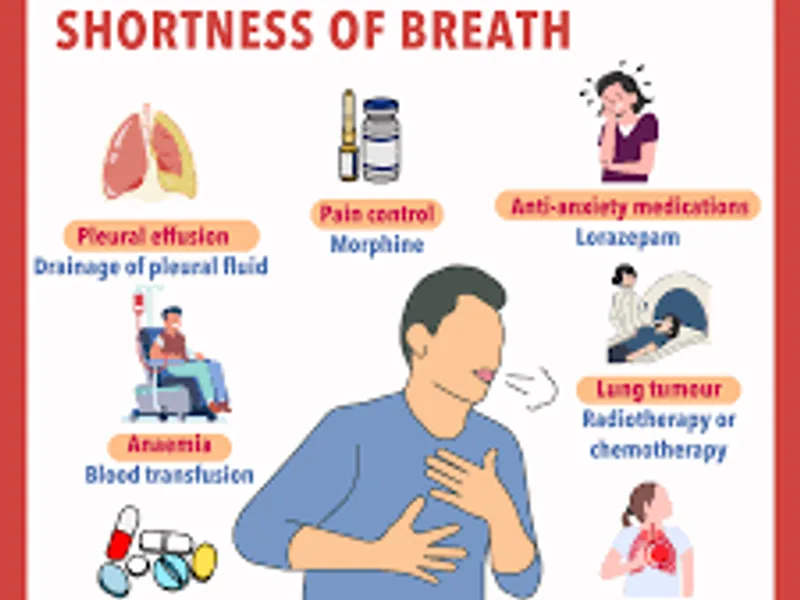
A simple guide to the best shortness of breath specialist in Kolkata, including causes, symptoms, treatment options, and expert medical advice.
May 29, 2026

Find the best chest pain doctor in Kolkata. Learn causes, symptoms, tests, and treatment options from top heart specialists in simple English.
May 29, 2026