

Emergency & Help
24/7 Emergency & General Advisory
🚨 24/7 Medical Emergency
Non-Emergency Advisory
10:00 AM – 6:00 PM, Mon–Sat
For appointments & general queries.
24/7 Emergency & General Advisory
🚨 24/7 Medical Emergency
Non-Emergency Advisory
10:00 AM – 6:00 PM, Mon–Sat
For appointments & general queries.
Explore bronchodilators with our expert guide. Learn how these essential medications help manage respiratory conditions like asthma and COPD, their types, proper usage, potential side effects, and when to consult a doctor for easier breathing.

For millions worldwide, the simple act of breathing can be a daily struggle. Chronic respiratory conditions such as asthma, chronic obstructive pulmonary disease (COPD), and others can significantly impair lung function, leading to symptoms like shortness of breath, wheezing, coughing, and chest tightness. In the arsenal of treatments designed to alleviate these symptoms and improve quality of life, bronchodilators stand out as a cornerstone therapy. These remarkable medications work by relaxing the muscles around the airways, causing them to widen and making it easier to breathe.
In this comprehensive "Ask the Expert" guide, we delve deep into the world of bronchodilators. We’ll explore what they are, how they function, the different types available, the conditions they treat, and crucial information on their proper usage, potential side effects, and when it’s essential to consult a healthcare professional. Our aim is to empower you with the knowledge needed to understand these vital medications and partner effectively with your doctor in managing your respiratory health.
Bronchodilators are a class of medications specifically designed to relax the muscles that line the airways (bronchi and bronchioles) in the lungs. When these muscles tighten, the airways narrow, restricting airflow and leading to difficulty breathing. This narrowing is a hallmark symptom of many chronic respiratory diseases.
Think of your airways like a series of tubes that carry air to and from your lungs. In conditions like asthma or COPD, these tubes can become inflamed and constricted. Bronchodilators act like a key, unlocking these constricted tubes and allowing them to expand, thus improving air passage. This action helps to:
They are typically administered via inhalation, which delivers the medication directly to the lungs, allowing for a rapid and targeted effect while minimizing systemic side effects. However, some forms are available as oral tablets or injections.
Bronchodilators are not a cure for chronic respiratory conditions, but they are highly effective in managing symptoms and preventing exacerbations (flare-ups). They are often part of a broader treatment plan that may include anti-inflammatory medications (like corticosteroids), lifestyle modifications, and pulmonary rehabilitation.
Understanding the different types of bronchodilators and their specific roles is crucial for effective management of respiratory conditions. They are categorized primarily by how quickly they work and how long their effects last.
The mechanism of action for bronchodilators involves targeting specific receptors in the smooth muscle cells of the airways. When these receptors are stimulated, they trigger a cascade of events within the cell that ultimately leads to muscle relaxation and airway dilation (widening).
The two primary classes of bronchodilators, beta-agonists and anticholinergics, work through slightly different pathways:
Beta-agonists work by stimulating beta-2 adrenergic receptors found on the smooth muscle cells of the bronchi. When these receptors are activated, they initiate a process that increases cyclic adenosine monophosphate (cAMP) within the cell. Elevated cAMP levels lead to the relaxation of the smooth muscle, causing the airways to open up.
Imagine a tight rubber band around a tube. Beta-agonists tell that rubber band to loosen up, making the tube wider.
Anticholinergics, also known as muscarinic antagonists, work by blocking the action of acetylcholine, a neurotransmitter that can cause airway muscles to contract. By blocking acetylcholine's effects on muscarinic receptors in the airways, these medications prevent the muscles from tightening, thus promoting relaxation and bronchodilation.
In simpler terms, if acetylcholine is a signal telling the airway muscles to constrict, anticholinergics block that signal, allowing the muscles to remain relaxed.
Methylxanthines, such as theophylline, have a more complex and less understood mechanism of action. They are thought to work by inhibiting phosphodiesterase enzymes, which leads to increased cAMP levels (similar to beta-agonists), and by blocking adenosine receptors, which can also contribute to bronchodilation. They also have some anti-inflammatory properties.
While effective, methylxanthines have a narrow therapeutic window and a higher risk of side effects, making them less commonly used as first-line bronchodilators compared to beta-agonists and anticholinergics.
Bronchodilators are broadly categorized based on their onset of action and duration of effect. This distinction is crucial for understanding when and how each type should be used.
Many patients benefit from combination inhalers that contain two or even three different types of medications. Common combinations include:
These combinations offer synergistic effects, providing broader bronchodilation and anti-inflammatory action, often simplifying the treatment regimen for patients.
Bronchodilators are central to the management of several chronic respiratory diseases characterized by reversible or partially reversible airway obstruction.
Asthma is a chronic inflammatory disease of the airways that causes recurrent episodes of wheezing, breathlessness, chest tightness, and coughing, particularly at night or in the early morning. These symptoms are often triggered by allergens, exercise, cold air, or irritants.
COPD is a progressive lung disease that causes obstructed airflow from the lungs. It is typically caused by long-term exposure to irritating gases or particulate matter, most often from cigarette smoke. COPD includes conditions like emphysema and chronic bronchitis.
Bronchiectasis is a condition where the airways of the lungs become permanently widened and damaged, leading to a buildup of mucus that makes the lungs vulnerable to infection. While treatment primarily focuses on infection control and airway clearance, bronchodilators can be used.
Cystic Fibrosis is a genetic disorder that affects cells that produce mucus, sweat, and digestive juices. These secreted fluids become thick and sticky, plugging up tubes, ducts, and passageways, particularly in the lungs and pancreas. Airway obstruction can occur.
The effectiveness of bronchodilators largely depends on proper administration. The most common methods ensure direct delivery to the lungs.
Incorrect inhaler technique is a common reason for inadequate symptom control. It's vital to receive proper instruction from your doctor or pharmacist and to review your technique regularly.
Always refer to the specific instructions provided with your inhaler device and seek demonstration from your healthcare provider.
While generally safe and effective, bronchodilators can cause side effects, which vary depending on the specific drug, dosage, and individual sensitivity.
These side effects are usually mild and tend to decrease with continued use as the body adjusts. Using a spacer with MDIs can help reduce some of these systemic effects by improving lung deposition and reducing drug absorption through the mouth/throat.
These are more pronounced due to their narrow therapeutic index, meaning the effective dose is close to the toxic dose.
It's crucial to discuss any side effects with your healthcare provider. They can help adjust your medication, dosage, or technique to minimize adverse effects.
Effective management of respiratory conditions relies on ongoing communication with your healthcare provider. Here are key situations when you should see a doctor:
Seek immediate medical attention or call emergency services if you experience:
A: No, bronchodilators are not considered addictive in the way that opioids or other controlled substances are. However, if you find yourself needing your rescue inhaler more frequently, it's a sign that your underlying condition (like asthma or COPD) is not well-controlled, and you should consult your doctor for a review of your maintenance therapy.
A: Generally, no. Short-acting bronchodilators (SABAs/SAMAs) are for quick relief of acute symptoms. If you need to use your rescue inhaler more than twice a week (not counting use before exercise for exercise-induced asthma), it indicates that your condition is not adequately controlled, and your doctor may need to adjust your daily maintenance medications.
A: Bronchodilators (like albuterol or tiotropium) relax the muscles around the airways to open them up, providing quick relief or long-term airway maintenance. Steroid inhalers (inhaled corticosteroids, e.g., fluticasone, budesonide) reduce inflammation in the airways over time, preventing symptoms and reducing the frequency of exacerbations. They work differently and are often used together, especially in asthma and some cases of COPD, for comprehensive management.
A: Beta-agonists can sometimes cause a temporary increase in heart rate and, less commonly, blood pressure, especially at higher doses or in sensitive individuals. If you have pre-existing heart conditions or high blood pressure, discuss this with your doctor.
A: Managing asthma and COPD during pregnancy is crucial for both maternal and fetal health. Many bronchodilators, particularly short-acting beta-agonists like albuterol, are generally considered safe for use during pregnancy, as the benefits of controlling respiratory symptoms outweigh the potential risks. However, always consult your doctor to ensure your treatment plan is appropriate for your pregnancy.
A: Many inhalers come with dose counters that show how many puffs are remaining. If your inhaler doesn't have a dose counter, it's difficult to tell when an MDI is empty just by shaking it (as the propellant can still make a sound). It's best to keep track of the number of doses you've used and replace it after the labeled number of actuations, or by the expiration date, whichever comes first. DPIs usually have visual indicators.
A: Bronchodilators can interact with other medications, including certain beta-blockers, diuretics, antidepressants, and other heart medications. Always inform your doctor and pharmacist about all medications, supplements, and herbal products you are taking to avoid potential interactions.
Bronchodilators are invaluable medications that have revolutionized the management of chronic respiratory conditions, offering a lifeline to individuals struggling with compromised breathing. From the rapid relief provided by rescue inhalers to the sustained protection of long-acting formulations, these drugs play a pivotal role in improving lung function, alleviating symptoms, and enhancing the quality of life for millions.
However, their effectiveness hinges on a thorough understanding of their types, proper administration techniques, and potential side effects. It's not just about taking the medication; it's about taking it correctly, at the right time, and as part of a personalized treatment plan developed in close collaboration with your healthcare provider.
If you or a loved one are managing a respiratory condition, remember that you are not alone. Regular consultations with your doctor, adherence to your prescribed regimen, and vigilance for any changes in your symptoms or side effects are paramount. By staying informed and actively participating in your care, you can harness the full potential of bronchodilators to breathe easier and live a fuller, more active life. Always "Ask the Expert" – your doctor – for personalized advice and guidance tailored to your unique health needs.
Visit Hospital
Near You

Learn about cardiologist fee in Kolkata, consultation charges, factors affecting costs, and tips to choose the right heart specialist.
May 29, 2026
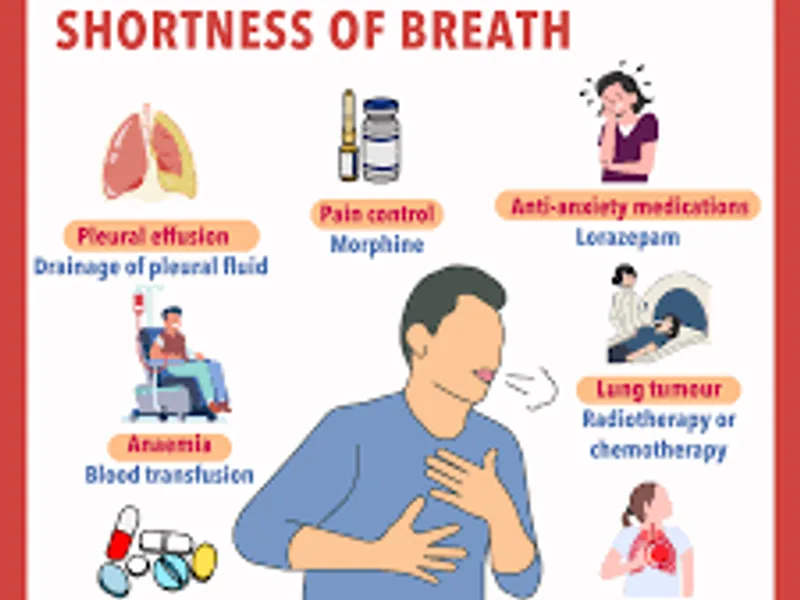
A simple guide to the best shortness of breath specialist in Kolkata, including causes, symptoms, treatment options, and expert medical advice.
May 29, 2026

Find the best chest pain doctor in Kolkata. Learn causes, symptoms, tests, and treatment options from top heart specialists in simple English.
May 29, 2026