

Emergency & Help
24/7 Emergency & General Advisory
🚨 24/7 Medical Emergency
Non-Emergency Advisory
10:00 AM – 6:00 PM, Mon–Sat
For appointments & general queries.
24/7 Emergency & General Advisory
🚨 24/7 Medical Emergency
Non-Emergency Advisory
10:00 AM – 6:00 PM, Mon–Sat
For appointments & general queries.
Explore beard implants as a permanent solution for patchy or absent facial hair. Learn about the FUE and FUT procedures, candidacy, recovery, and what to expect.
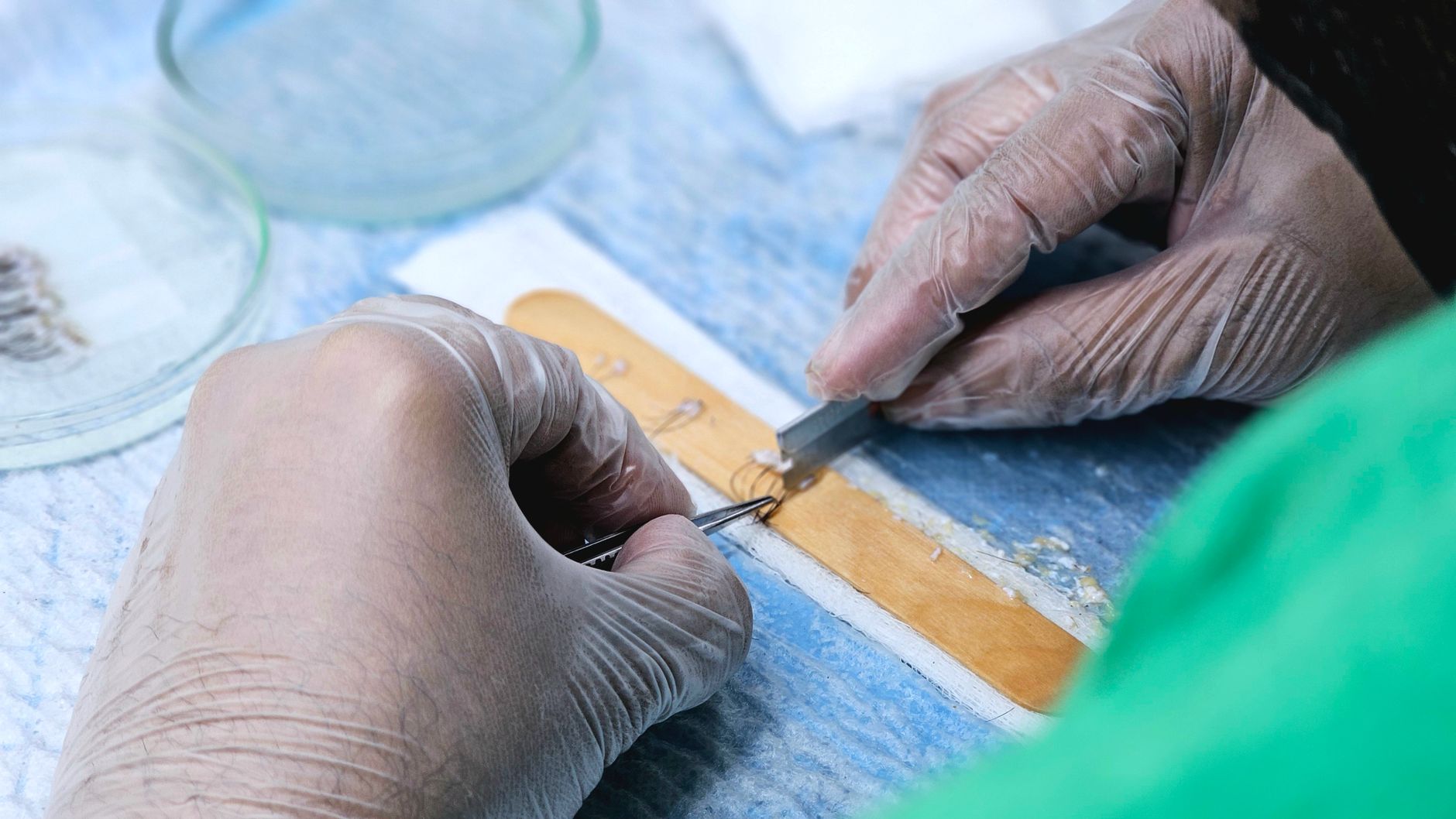
For many men, a full, well-groomed beard is more than just facial hair; it's a symbol of masculinity, style, and personal expression. However, not everyone is blessed with the natural ability to grow a thick, uniform beard. Genetics, hormonal factors, or even medical conditions can lead to patchy growth or a complete lack of facial hair. If you've tried everything from special oils to embracing stubble, and still dream of a denser beard, beard implants might be the solution you've been searching for. This procedure offers a permanent way to achieve the facial hair you desire. Let's explore what beard implants entail, who makes a good candidate, the process itself, and what to expect afterwards.
Beard implants, also known as beard transplantation, involve taking hair follicles from a donor area, typically the back or sides of your scalp where hair growth is usually robust, and transplanting them to your face. The goal is to create a natural-looking beard, fill in sparse areas, or establish a beard where it wouldn't naturally grow. It's a surgical procedure that requires a skilled surgeon and careful planning to achieve optimal results. Think of it as giving your facial skin the 'seeds' for a fuller beard, using your own body's natural hair growth capabilities.
Several reasons might lead a man to consider beard implants:
Imagine a young man, Rohan, who has always admired his father's thick beard but found his own facial hair grew only sparsely on his cheeks, leaving him feeling self-conscious. He's tried various 'beard growth' products with no success. He's now exploring the possibility of beard implants to achieve the look he desires and boost his confidence.
There are two primary surgical techniques used for beard transplantation, both involving harvesting hair follicles from a donor site and implanting them onto the face:
In FUE, individual hair follicles are extracted one by one directly from the donor area using a small, specialized tool. This method is minimally invasive, often results in less scarring, and typically has a quicker recovery time. Because each follicle is harvested individually, it allows for precise placement and a natural-looking density. This is the more commonly performed procedure due to its advantages.
FUT, sometimes called the strip method, involves removing a small strip of skin containing hair follicles from the donor area. The surgeon then dissects this strip under a microscope to isolate individual follicular units, which are then implanted into the facial skin. While FUT can yield a large number of grafts in one session, it leaves a linear scar in the donor area, which might be more noticeable if you keep your head shaved.
Regardless of whether FUE or FUT is chosen, the overall process follows a similar pattern:
Your journey begins with a thorough consultation with a qualified hair transplant surgeon. They will assess your facial skin, hair type, donor hair availability, and discuss your aesthetic goals. Together, you'll decide on the desired density, shape, and pattern of your new beard. The surgeon will explain the procedure, potential risks, and expected outcomes.
On the day of the surgery, the donor area on your scalp will be carefully shaved. This provides the surgeon with clear access to the hair follicles. A local anesthetic is administered to ensure you remain comfortable and pain-free during the harvesting process.
The surgeon will then proceed with harvesting the hair follicles using either the FUE or FUT technique as planned. For FUE, tiny punches are used to extract individual grafts. For FUT, the strip is removed, and the follicles are meticulously separated.
Next, the target areas on your face will be prepared. A local anesthetic is injected into the skin where the beard will be implanted to numb the area. The surgeon then carefully creates tiny incisions or channels in the skin, precisely positioning each harvested follicle to create a natural-looking beard line and density.
After the procedure, you'll receive specific instructions for post-operative care. You might notice small crusts forming around the transplanted hairs, which usually flake off within a few days. It's essential to follow your surgeon's advice regarding washing, avoiding strenuous activity, and protecting the area from sun exposure.
The recovery period is generally straightforward, but patience is key.
Not everyone is an ideal candidate for beard implants. A good candidate typically:
Your surgeon will perform a detailed examination of your scalp and facial skin to determine your suitability.
Like any surgical procedure, beard implants carry some risks, although they are generally minimal when performed by an experienced surgeon:
Beard implants are considered an elective cosmetic procedure, and the cost can vary significantly based on the number of grafts required, the surgeon's expertise, and the geographic location. It's an investment, and it's important to discuss the total cost, including any follow-up appointments, with your surgeon during the consultation.
You should consult a doctor or a qualified hair transplant specialist if you:
You'll need to wait about a week to 10 days after the procedure before you can shave or trim your new beard. Your surgeon will provide specific guidance.
Yes, when performed by a skilled surgeon, transplanted hair blends seamlessly with your natural growth, creating a natural appearance. The surgeon carefully places each graft to mimic natural growth patterns.
Beard implants are considered a permanent solution. The transplanted hair follicles are from a permanent donor area (usually the back of the scalp) and should continue to grow for a lifetime.
The procedure is performed under local anesthesia, so you should not feel pain during the harvesting or implantation. Some discomfort might be felt during the recovery phase, which can be managed with prescribed pain medication.
It's normal for the transplanted hairs to shed about 2-3 weeks after surgery. This is a natural part of the process, and new hair growth should begin within a few months.
Most people do not notice early warning signs right away. That is common. A simple symptom diary, basic routine checks, and timely follow-up visits can prevent small problems from becoming serious.
If you are already on treatment, stay consistent with medicines and lifestyle advice. If your symptoms change, do not guess. Check with a qualified doctor and update your plan early.
Write down symptoms, triggers, and timing for a few days.
Carry old prescriptions and test reports to your consultation.
Ask clearly about side effects, red-flag signs, and follow-up dates.
Seek urgent care for severe pain, breathing trouble, bleeding, fainting, or sudden worsening.
Visit Hospital
Near You

Learn about cardiologist fee in Kolkata, consultation charges, factors affecting costs, and tips to choose the right heart specialist.
May 29, 2026

A simple guide to the best shortness of breath specialist in Kolkata, including causes, symptoms, treatment options, and expert medical advice.
May 29, 2026

Find the best chest pain doctor in Kolkata. Learn causes, symptoms, tests, and treatment options from top heart specialists in simple English.
May 29, 2026