

Emergency & Help
24/7 Emergency & General Advisory
🚨 24/7 Medical Emergency
Non-Emergency Advisory
10:00 AM – 6:00 PM, Mon–Sat
For appointments & general queries.
24/7 Emergency & General Advisory
🚨 24/7 Medical Emergency
Non-Emergency Advisory
10:00 AM – 6:00 PM, Mon–Sat
For appointments & general queries.
Gain expert insights from an obesity doctor on understanding, diagnosing, and treating obesity. Learn about symptoms, causes, treatment options, prevention, and when to seek professional support for effective weight management and a healthier future.

Obesity is a complex, chronic disease characterized by excessive body fat accumulation that presents a risk to health. Far from being a simple matter of willpower or a cosmetic concern, it is a multifactorial condition influenced by genetics, environment, metabolism, and psychological factors. In an era where misinformation abounds, understanding obesity through the lens of a medical expert is crucial. This article, guided by the insights of an obesity doctor, aims to demystify the condition, explore its causes, symptoms, diagnosis, and a spectrum of evidence-based treatment and prevention strategies, emphasizing the vital role of professional support on the journey to better health.
The World Health Organization (WHO) identifies obesity as one of the leading global health problems. Its prevalence has tripled since 1975, affecting millions worldwide and contributing significantly to the burden of non-communicable diseases. This epidemic underscores the urgent need for effective prevention and management strategies, highlighting the specialized knowledge an obesity doctor brings to the forefront.
An obesity doctor, often a bariatric physician or an endocrinologist with specialized training in weight management, is a medical professional dedicated to the comprehensive care of individuals living with obesity. Their role extends beyond prescribing diets; they diagnose the underlying causes of weight gain, assess obesity-related health complications, develop personalized treatment plans, and provide ongoing support and education. They approach obesity as a chronic disease requiring long-term management, much like diabetes or hypertension, focusing on improving health outcomes and quality of life rather than just weight loss numbers.
Obesity is defined medically by a Body Mass Index (BMI) of 30 or higher. However, BMI is just one tool; an obesity doctor considers body composition, waist circumference, and overall health status to make a comprehensive diagnosis. The disease impacts nearly every organ system, leading to a cascade of health problems.
While increased body weight is the most apparent symptom, obesity manifests through a range of health issues, often silently progressing before becoming severe. These include:
Recognizing these symptoms and understanding their connection to obesity is the first step towards seeking appropriate medical care.
The notion that obesity is simply a result of overeating and lack of exercise is an oversimplification. An obesity doctor understands that multiple interacting factors contribute to its development.
Genetics play a significant role, influencing appetite regulation, metabolism, fat storage, and energy expenditure. While genes don't guarantee obesity, they can increase susceptibility, making some individuals more prone to weight gain in an obesogenic environment. Familial patterns of obesity often reflect a combination of shared genetics and environmental factors.
Emotional eating, binge eating disorder, and using food as a coping mechanism for stress, anxiety, or depression are significant contributors to weight gain. An obesity doctor often works with mental health professionals to address these underlying issues.
Certain medical conditions can lead to weight gain or make weight loss challenging:
Socioeconomic status can influence access to healthy food options (food deserts), safe spaces for physical activity, and health education, all of which impact obesity rates.
Diagnosis goes beyond a number on the scale. An obesity doctor employs a holistic approach to assess an individual's health status and the severity of their obesity.
BMI is a commonly used screening tool calculated from height and weight. While useful, it doesn't differentiate between fat and muscle mass and may not accurately reflect health risks in all individuals (e.g., highly muscular athletes).
Waist circumference is a better indicator of visceral fat (fat around organs), which is metabolically more dangerous than subcutaneous fat. High waist circumference (>40 inches for men, >35 inches for women) is associated with increased health risks, even in individuals with a normal BMI. Body composition analysis (e.g., DEXA scan, bioelectrical impedance) can provide a more accurate picture of fat versus lean mass.
An obesity doctor will conduct thorough blood tests to check for:
This comprehensive assessment helps tailor treatment plans to address both weight and associated health conditions.
Effective obesity treatment is rarely a one-size-fits-all solution. An obesity doctor works with patients to create a personalized, sustainable plan that addresses their unique needs, challenges, and health goals.
These form the cornerstone of any weight management program, but they are often insufficient on their own for significant, sustained weight loss in individuals with obesity.
For many individuals with obesity, lifestyle changes alone are not enough. Medications, prescribed by an obesity doctor, can be a valuable tool, especially for those with a BMI of 30 or higher, or a BMI of 27 or higher with weight-related co-morbidities.
These medications are used in conjunction with lifestyle changes and require ongoing medical supervision.
These minimally invasive procedures are an option for some patients who haven't achieved sufficient weight loss with lifestyle changes and medication, but do not meet criteria or wish to avoid bariatric surgery.
For individuals with severe obesity (BMI ≥ 40) or a BMI of 35-39.9 with significant co-morbidities, bariatric surgery may be the most effective long-term treatment. Common procedures include:
Bariatric surgery leads to significant and sustained weight loss, often resolving or improving obesity-related conditions like type 2 diabetes and hypertension. It requires lifelong commitment to dietary changes, nutrient supplementation, and follow-up care with an obesity doctor and a multidisciplinary team.
Addressing the psychological aspects of obesity is critical for long-term success. This can include:
Preventing obesity starts early and requires a societal, as well as individual, effort. An obesity doctor emphasizes proactive measures:
It's advisable to consult an obesity doctor if:
Early intervention can prevent the progression of obesity and its associated health complications.
A: Obesity is recognized by major medical organizations, including the American Medical Association, as a chronic disease. While lifestyle choices contribute, it's not solely a matter of willpower, but a complex interplay of genetic, environmental, metabolic, and psychological factors.
A: For some individuals, especially in the earlier stages, significant weight loss can be achieved through diet and exercise. However, for many with established obesity, these lifestyle changes alone are often insufficient for sustained weight loss due to complex physiological adaptations that resist weight loss. Medical interventions, including medications or surgery, may be necessary.
A: When prescribed and monitored by a qualified obesity doctor, weight loss medications can be safe and effective. Like all medications, they have potential side effects, which your doctor will discuss with you. They are typically used as part of a comprehensive weight management plan.
A: Bariatric surgery is currently the most effective treatment for severe obesity, leading to significant and sustained weight loss in most patients. Success rates are high for improving or resolving obesity-related co-morbidities. However, success depends on patient adherence to lifelong lifestyle changes and follow-up care.
A: Obesity is a chronic disease requiring long-term management. Regular follow-ups with an obesity doctor are crucial for monitoring progress, adjusting treatment plans, addressing challenges, and preventing weight regain. This ongoing support is key to sustained success.
Obesity is a challenging health condition, but it is manageable with the right approach and professional support. An obesity doctor offers invaluable expertise, guiding patients through a complex landscape of diagnosis, treatment, and prevention. By understanding obesity as a chronic disease and embracing personalized, evidence-based strategies, individuals can embark on a journey towards improved health, enhanced quality of life, and sustained well-being. Remember, seeking help is a sign of strength, and with a dedicated medical team, a healthier future is within reach.
This article is based on general medical knowledge and insights commonly shared by obesity specialists. For specific medical advice, diagnosis, or treatment, please consult with a qualified healthcare professional. Reputable sources for further information include:
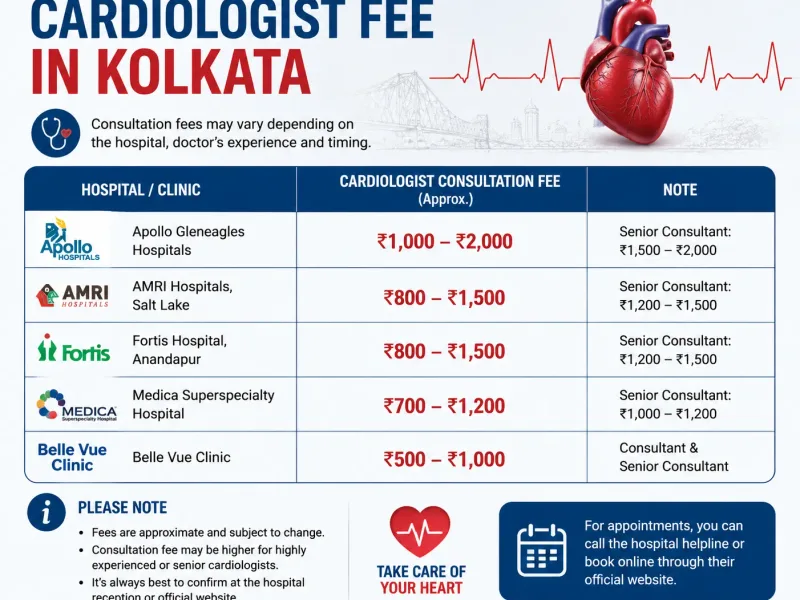
Learn about cardiologist fee in Kolkata, consultation charges, factors affecting costs, and tips to choose the right heart specialist.
May 29, 2026
A simple guide to the best shortness of breath specialist in Kolkata, including causes, symptoms, treatment options, and expert medical advice.
May 29, 2026

Find the best chest pain doctor in Kolkata. Learn causes, symptoms, tests, and treatment options from top heart specialists in simple English.
May 29, 2026