

Emergency & Help
24/7 Emergency & General Advisory
🚨 24/7 Medical Emergency
Non-Emergency Advisory
10:00 AM – 6:00 PM, Mon–Sat
For appointments & general queries.
24/7 Emergency & General Advisory
🚨 24/7 Medical Emergency
Non-Emergency Advisory
10:00 AM – 6:00 PM, Mon–Sat
For appointments & general queries.
Explore the critical importance of cultural competency in healthcare. Learn how understanding diverse beliefs and practices improves patient communication, trust, and health outcomes. Discover strategies for healthcare providers and organizations to foster inclusive, effective care in a globalized world.

In an increasingly globalized world, healthcare providers encounter patients from a vast array of cultural, linguistic, and socioeconomic backgrounds. While the fundamental goal of medicine remains universal – to heal and promote well-being – the path to achieving this goal is often shaped by individual beliefs, values, and experiences. This is where cultural competency in healthcare becomes not just beneficial, but absolutely vital. It's the ability of healthcare professionals and systems to provide care that is respectful of and responsive to the health beliefs, practices, and cultural and linguistic needs of diverse patients.
Ignoring cultural nuances can lead to misunderstandings, mistrust, and ultimately, poorer health outcomes. Conversely, embracing cultural competency fosters stronger patient-provider relationships, enhances patient satisfaction, and contributes to reducing health disparities. This article delves into what cultural competency entails, why it’s essential, the challenges in achieving it, and practical strategies for healthcare providers and organizations to cultivate a truly inclusive and effective care environment.
Cultural competency in healthcare is more than just awareness of different cultures; it's a dynamic, ongoing process that involves a combination of attitudes, knowledge, and skills. It empowers healthcare providers to deliver high-quality, patient-centered care to individuals from diverse backgrounds. The concept encompasses several key components:
Ultimately, cultural competency moves beyond mere tolerance to a place of understanding and active adaptation, ensuring that care is delivered in a way that respects and integrates the patient's cultural context.
The importance of cultural competency extends far beyond mere politeness; it has profound implications for patient safety, treatment efficacy, and overall public health.
Effective communication is the cornerstone of quality healthcare. Cultural differences can manifest in verbal and non-verbal communication, leading to misinterpretations. For example, direct eye contact might be a sign of respect in one culture but considered rude in another. Understanding these nuances allows providers to adapt their communication style, ensuring that medical information is conveyed clearly and that patients feel heard and understood.
Patients are more likely to be satisfied with their care when they feel respected, understood, and that their unique needs are being addressed. When providers demonstrate cultural competency, it builds trust, making patients more comfortable sharing sensitive information and engaging actively in their treatment plans. This trust is particularly crucial for marginalized communities who may have historically experienced discrimination within healthcare systems.
Cultural beliefs often influence health behaviors, perceptions of illness, and choices regarding treatment. A provider who understands a patient's cultural context can tailor interventions that are more likely to be accepted and followed. For instance, dietary restrictions based on religious beliefs must be considered in nutritional counseling. By providing culturally appropriate care, healthcare systems can reduce preventable hospitalizations, improve chronic disease management, and ultimately narrow the gap in health disparities among different population groups.
The principle of patient autonomy and the ethical imperative to provide equitable care demand cultural competency. Healthcare providers have a duty to treat all patients with respect and without discrimination. Furthermore, in many regions, regulations and accreditation standards now require healthcare organizations to demonstrate cultural competence, reflecting its legal and ethical significance.
While the benefits are clear, achieving true cultural competency is not without its hurdles. These challenges can be systemic, individual, or resource-based.
Everyone holds implicit biases – unconscious attitudes and stereotypes that can affect our understanding, actions, and decisions. In healthcare, implicit bias can lead to differential treatment, misdiagnosis, or a lack of empathy towards certain patient groups, often without the provider even realizing it.
One of the most immediate and significant challenges is language. Miscommunication due to a lack of professional medical interpreters can lead to serious errors, reduced patient adherence, and frustration for both patients and providers. Relying on family members as interpreters, especially children, can compromise confidentiality and accuracy.
Many healthcare professionals receive limited formal training in cultural competency during their education. The demands of medical practice often leave little time for ongoing education in this area, despite its critical importance.
Modern healthcare environments often prioritize efficiency, leading to short appointment times. This can make it difficult for providers to spend the necessary time to explore a patient's cultural beliefs, build rapport, and address their concerns comprehensively.
Beyond individual interactions, healthcare systems themselves can perpetuate inequities. Policies, practices, and resource allocation may not be designed to serve diverse populations effectively, creating barriers to access and quality care for certain groups.
Cultivating cultural competency is an ongoing journey that requires commitment and intentional effort from individual providers.
Participate in formal cultural competency training programs, workshops, and seminars. These programs can provide foundational knowledge, practical skills, and opportunities for self-reflection. Topics might include specific cultural practices, communication styles, and strategies for overcoming biases.
Regularly reflect on your own cultural background, biases, and assumptions. Ask yourself how your upbringing, values, and experiences might influence your interactions with patients. Journals, peer discussions, and mentorship can be valuable tools for this process.
Actively seek to learn about the cultural backgrounds of your patient population. This can involve reading, attending community events, or engaging in respectful conversations with patients about their beliefs and practices. Remember to approach this with curiosity and avoid stereotyping; every individual is unique.
Always prioritize the individual patient's needs and preferences. Ask patients directly about their cultural beliefs regarding health and illness. Involve them in decision-making, respecting their choices even if they differ from your initial recommendations, provided they do not pose immediate harm.
Advocate for and participate in initiatives within your healthcare organization that promote cultural competency, such as diverse hiring practices, language services, and community outreach programs.
Individual efforts must be supported by systemic change. Healthcare organizations play a crucial role in fostering a culturally competent environment.
Implement clear policies that mandate cultural competency training, provide access to language services, and prohibit discrimination. These policies should be regularly reviewed and updated.
Allocate sufficient resources for cultural competency initiatives, including funding for interpreter services, training programs, and diverse educational materials.
Ensure that the physical environment, signage, and patient education materials are welcoming and accessible to diverse populations. Hire a diverse staff that reflects the community being served.
Regularly assess the cultural competency of staff and the organization as a whole through patient feedback, staff surveys, and outcome data. Use this information to identify areas for improvement and refine strategies.
While cultural competency itself doesn't have
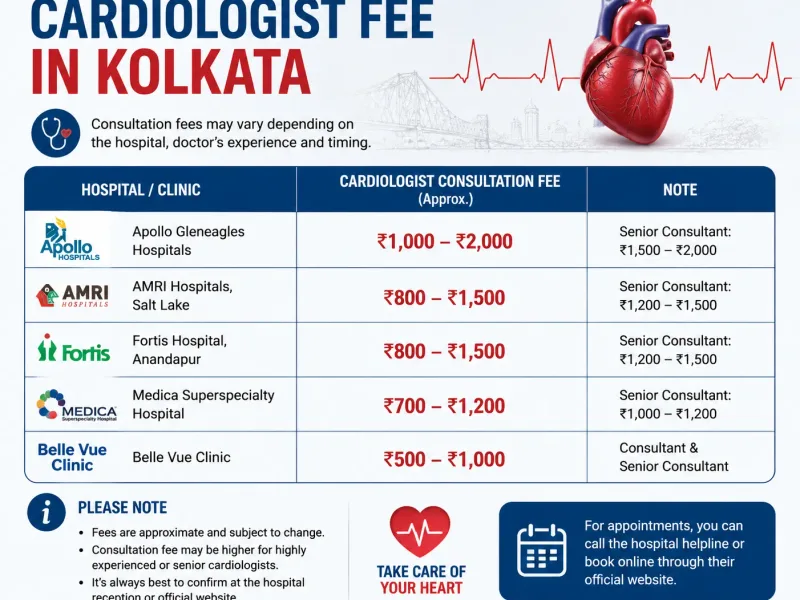
Learn about cardiologist fee in Kolkata, consultation charges, factors affecting costs, and tips to choose the right heart specialist.
May 29, 2026
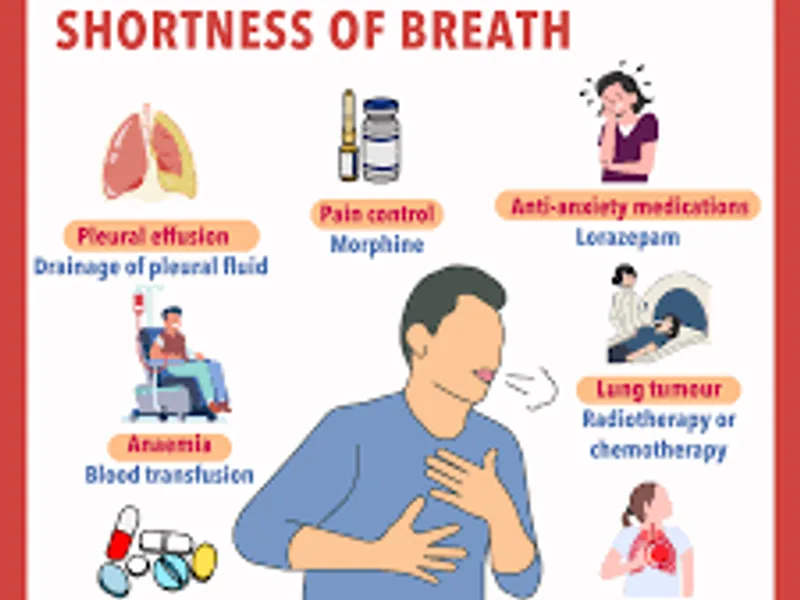
A simple guide to the best shortness of breath specialist in Kolkata, including causes, symptoms, treatment options, and expert medical advice.
May 29, 2026

Find the best chest pain doctor in Kolkata. Learn causes, symptoms, tests, and treatment options from top heart specialists in simple English.
May 29, 2026