

Emergency & Help
24/7 Emergency & General Advisory
🚨 24/7 Medical Emergency
Non-Emergency Advisory
10:00 AM – 6:00 PM, Mon–Sat
For appointments & general queries.
24/7 Emergency & General Advisory
🚨 24/7 Medical Emergency
Non-Emergency Advisory
10:00 AM – 6:00 PM, Mon–Sat
For appointments & general queries.
Discover organizations dedicated to increasing the number of Black doctors and improving healthcare for Black communities. Learn about their vital work in addressing disparities and fostering a more equitable medical future.

The medical landscape in the United States is facing a significant disparity: only about 5 percent of practicing physicians identify as Black. This underrepresentation isn't just a statistic; it has profound implications for the health and well-being of Black communities. The COVID-19 pandemic starkly illuminated the systemic racism embedded within healthcare, disproportionately affecting Black Americans. This crisis has underscored the urgent need for more Black healthcare professionals who can understand and address the unique health concerns of their patients, free from racial bias.
The historical context of medicine reveals a troubling pattern of neglect and prejudice towards Black patients. This has led to life-threatening consequences, often exacerbated by a lack of medical staff who can recognize and effectively treat conditions in Black individuals. The concept of 'misogynoir,' the specific hatred directed at Black women, further compounds these medical harms, particularly impacting Black women during critical times like pregnancy.
Fortunately, a growing number of dedicated organizations are actively working to dismantle these barriers. They are committed to diversifying the healthcare industry by supporting Black, Indigenous, and People of Color (BIPOC) students and aspiring doctors. These groups are not only advocating for increased representation but also providing vital resources, scholarships, and mentorship to ensure a more equitable future in medicine. They aim to create a healthcare system where every patient feels seen, understood, and receives the highest quality of care, regardless of their race.
The impact of having more Black physicians extends far beyond mere representation. It's about trust, cultural understanding, and improved health outcomes. Black patients often feel more comfortable discussing sensitive health issues with doctors who share similar life experiences and cultural backgrounds. This shared understanding can lead to more accurate diagnoses, better adherence to treatment plans, and a greater sense of empowerment for patients.
Consider a scenario where a young Black woman is experiencing persistent, unusual menstrual symptoms. She might hesitate to fully describe her concerns to a doctor she feels doesn't understand her background. However, if she sees a Black female gynecologist, she might feel more at ease sharing intimate details, leading to a quicker and more accurate diagnosis, perhaps of a condition like endometriosis or PCOS, which can be underdiagnosed in Black women.
Furthermore, Black doctors often serve as crucial role models, inspiring the next generation of healthcare professionals. Their presence in medical schools and hospitals helps to break down stereotypes and challenges the notion that certain professions are not accessible to people of color. Organizations supporting these pathways are essential for nurturing this pipeline.
Several key organizations are at the forefront of this movement, each with a unique approach to fostering diversity and equity in medicine:
Founded in 1895, the NMA is the oldest and largest professional organization dedicated to the well-being and interests of Black physicians and their patients. It plays a vital role in advocating for policies that promote health equity and addressing the specific health challenges faced by the Black community. The NMA provides a platform for professional development, networking, and advocacy for its members.
Since its inception in 1982, the ABWP has been instrumental in supporting Black women in medicine. They have awarded over $800,000 in scholarships to deserving Black medical students, helping to alleviate financial burdens and encourage careers in healthcare. The ABWP also actively collaborates with other organizations focused on building the pipeline for future healthcare professionals, fostering a supportive community for Black women in the field.
Established in 1971, the NBNA represents the interests of approximately 200,000 Black nurses across North America, the Caribbean, and Africa. With over 115 chapters globally, the NBNA is a powerful force for advocating for Black nurses and promoting health equity. In 2020 alone, the NBNA and its chapters awarded over $169,000 in scholarships to nursing students, supporting their educational aspirations.
The ABCA is a 501(c)(3) organization that supports Black students and professionals in the chiropractic field. It has student chapters at all 18 chiropractic schools across the nation, in addition to practicing doctors of chiropractic as members. This organization works to increase Black representation within chiropractic care and ensure culturally competent services are available.
For over three decades, the SBAS has been dedicated to improving health, advancing scientific research, and fostering the careers of African American and other underrepresented minority surgeons. Beyond diversifying faculty in academic surgery, SBAS actively promotes its members into leadership positions, aiming to shape the future of surgical practice and education.
While increasing the number of Black doctors is a critical step, it is equally important to address the systemic issues that perpetuate racial disparities in healthcare. This includes:
These efforts, combined with the dedicated work of organizations supporting Black medical professionals, are essential for creating a truly equitable healthcare system. It's about ensuring that every individual has access to quality care and the opportunity to achieve their best health.
The primary challenges include systemic racism, implicit bias from healthcare providers, a lack of cultural understanding, and underrepresentation of Black doctors, leading to potential misdiagnoses, delayed treatment, and poorer health outcomes.
The NMA advocates for Black physicians and patients, promotes health equity, provides professional development, and works to address the unique health concerns within the Black community.
Yes, cultural competency training helps healthcare providers understand and respect diverse patient backgrounds, leading to improved communication, trust, and ultimately, better health outcomes for patients from various cultural groups.
Be informed about your health, ask questions, seek second opinions when necessary, and advocate for yourself. If you feel your concerns are not being heard, consider seeking care from providers or organizations that specialize in culturally competent care.
Visit Hospital
Near You
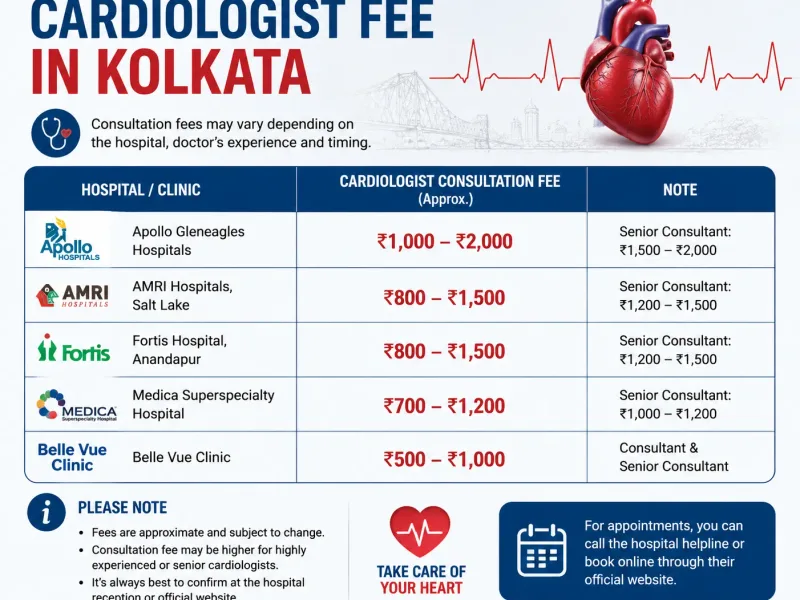
Learn about cardiologist fee in Kolkata, consultation charges, factors affecting costs, and tips to choose the right heart specialist.
May 29, 2026
A simple guide to the best shortness of breath specialist in Kolkata, including causes, symptoms, treatment options, and expert medical advice.
May 29, 2026

Find the best chest pain doctor in Kolkata. Learn causes, symptoms, tests, and treatment options from top heart specialists in simple English.
May 29, 2026