

Emergency & Help
24/7 Emergency & General Advisory
🚨 24/7 Medical Emergency
Non-Emergency Advisory
10:00 AM – 6:00 PM, Mon–Sat
For appointments & general queries.
24/7 Emergency & General Advisory
🚨 24/7 Medical Emergency
Non-Emergency Advisory
10:00 AM – 6:00 PM, Mon–Sat
For appointments & general queries.
Explore how you can get Medicare even if you've never worked, focusing on spousal eligibility, disability, and premium options for Parts A, B, and D.

Navigating the world of healthcare insurance can feel overwhelming, especially when you're approaching or have reached the age of 65. Many people assume that a long work history and consistent tax contributions are the only pathways to qualifying for Medicare. However, the reality is a bit more nuanced. If you've never worked or haven't accumulated the standard 40 work credits, you might still be eligible for essential Medicare coverage. This guide aims to demystify how Medicare works for those without a traditional work history, focusing on practical steps and understanding your options.
Medicare is the United States' federal health insurance program. It primarily serves individuals aged 65 and older. But it's not just for seniors! It also provides coverage for younger people with certain disabilities and individuals with End-Stage Renal Disease (ESRD). Understanding its purpose is the first step in figuring out your eligibility.
Medicare is divided into different parts, each covering different aspects of healthcare. Part A (Hospital Insurance) is often considered the foundation. It helps cover inpatient hospital stays, care in a skilled nursing facility, hospice care, and some home health care.
Generally, to receive Medicare Part A without a monthly premium, you or your spouse must have worked and paid Medicare taxes for at least 10 years (which equates to 40 quarters or 40 work credits). This is a significant milestone for many. But what if you haven't reached this?
The good news is that even if you haven't worked 40 quarters, you might still qualify for premium-free Part A. Here are the common scenarios:
If you don't meet the criteria for premium-free Part A, you can still enroll by paying a monthly premium. The cost depends on your available work credits:
Consider this: Mrs. Sharma, a homemaker for most of her life, is turning 65. Her husband worked for over 40 years and paid Medicare taxes. She might be eligible for premium-free Part A through his record, avoiding a significant monthly expense. If she didn't have this option, she'd need to decide if paying the premium is feasible for her budget.
Part B (Medical Insurance) helps cover doctor's services, outpatient care, medical supplies, and preventive services. Unlike Part A, Part B has a monthly premium for everyone, regardless of work history. As of 2025, the standard monthly premium is $185, though it can be higher for individuals with higher incomes.
Yes, if you are eligible for Medicare (generally at age 65 or due to disability/ESRD/ALS), you can enroll in and purchase Part B. Your work history does not prevent you from buying into Part B. However, if you are enrolled in Original Medicare (Parts A and B), enrolling in Part B is generally mandatory if you want to avoid potential late enrollment penalties down the line.
Part D helps cover the costs of prescription drugs. This coverage is offered through private insurance companies that have been approved by Medicare. Like Part B, Part D plans have monthly premiums, which vary depending on the plan you choose and your income.
Yes, you can enroll in a Part D plan as long as you are eligible for Medicare. Your work history doesn't impact your ability to purchase this coverage. It's essential to enroll when you first become eligible to avoid potential late enrollment penalties.
Part C, also known as Medicare Advantage, is an alternative to Original Medicare (Parts A and B). These plans are offered by private insurance companies approved by Medicare. They must provide all the benefits covered by Original Medicare, and often include additional benefits like vision, hearing, and dental care. They also often include prescription drug coverage (Part D).
Eligibility for Medicare Advantage is tied to your eligibility for Medicare Parts A and B. If you qualify for Medicare, you can enroll in a Medicare Advantage plan, regardless of your work history. You will still need to pay the Part B premium, and potentially a Part A premium if you don't qualify for premium-free Part A.
The application process for Medicare is the same whether you have a long work history or not. You can apply in a few ways:
Your Initial Enrollment Period (IEP) is a critical time to enroll. For most people, this is a 7-month window that begins 3 months before the month you turn 65, includes the month you turn 65, and ends 3 months after the month you turn 65. Missing this window can lead to late enrollment penalties, especially for Part B and Part D.
While this guide explains Medicare eligibility, your healthcare needs are personal. If you have specific health concerns or questions about how Medicare will cover your medical needs, it's always wise to consult with:
Yes. If you've been receiving Social Security disability benefits for 24 months, you automatically become eligible for Medicare Part A and Part B, regardless of your work history. Additionally, individuals with ESRD or ALS can qualify for Medicare earlier.
Not automatically. You need to actively apply for Medicare based on your spouse's record during your eligibility period. Your spouse must have worked and paid Medicare taxes for at least 40 quarters (10 years).
If you don't enroll in Medicare Part B when you're first eligible and don't have other creditable health insurance (like from an employer), you may face a late enrollment penalty. This penalty increases your monthly Part B premium for as long as you have Medicare. It's generally 10% for each full 12-month period you were eligible but didn't sign up.
If you never worked and therefore never paid Medicare taxes, you can still get Medicare Part A and Part B if you meet the eligibility requirements (e.g., age 65, disability, ESRD, ALS) and potentially qualify based on a spouse's work record for premium-free Part A. However, Parts B and D will require monthly premiums.
Your spouse qualifies for Social Security benefits if they have earned enough work credits throughout their working life. This is generally 40 credits, equivalent to about 10 years of work. You can check their earnings record and benefit status through their my Social Security account on the SSA website.
Visit Hospital
Near You
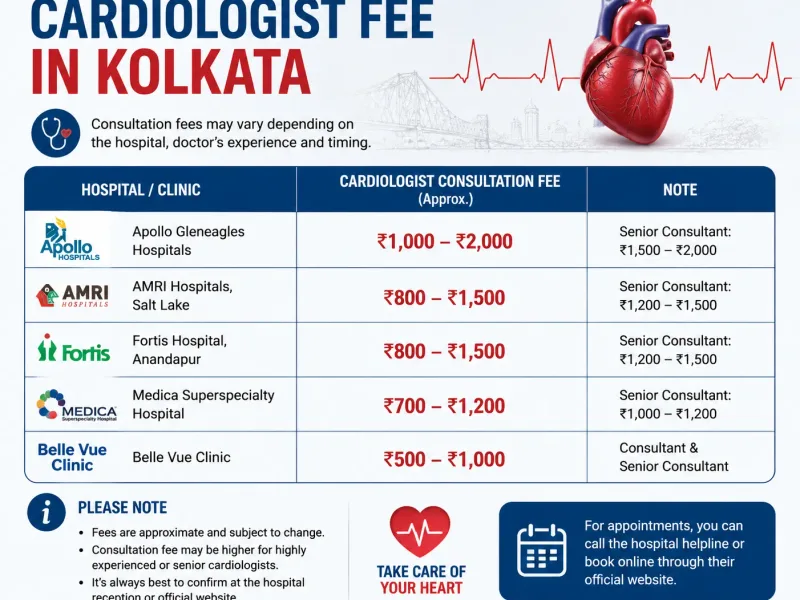
Learn about cardiologist fee in Kolkata, consultation charges, factors affecting costs, and tips to choose the right heart specialist.
May 29, 2026
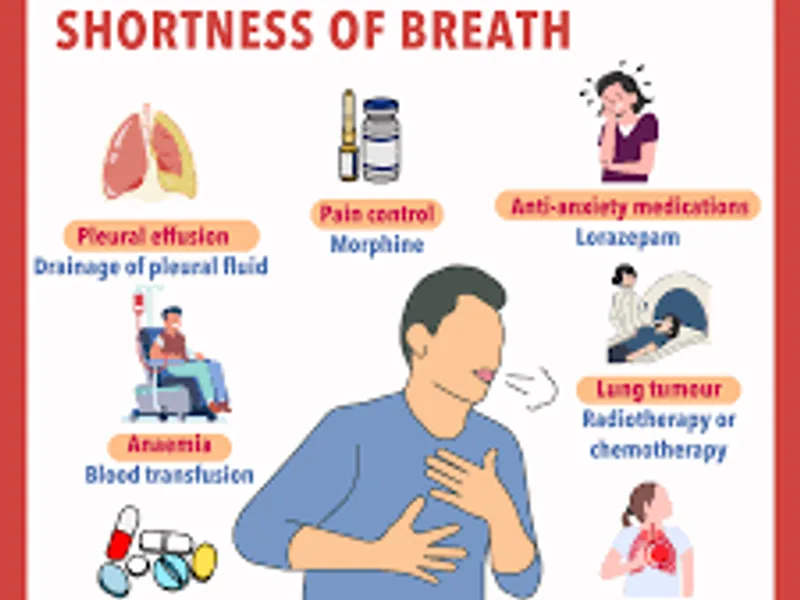
A simple guide to the best shortness of breath specialist in Kolkata, including causes, symptoms, treatment options, and expert medical advice.
May 29, 2026

Find the best chest pain doctor in Kolkata. Learn causes, symptoms, tests, and treatment options from top heart specialists in simple English.
May 29, 2026