

Emergency & Help
24/7 Emergency & General Advisory
🚨 24/7 Medical Emergency
Non-Emergency Advisory
10:00 AM – 6:00 PM, Mon–Sat
For appointments & general queries.
24/7 Emergency & General Advisory
🚨 24/7 Medical Emergency
Non-Emergency Advisory
10:00 AM – 6:00 PM, Mon–Sat
For appointments & general queries.
Choosing between dentures and dental implants? Understand the key differences in cost, stability, maintenance, and suitability to make the best decision for your smile with expert guidance.
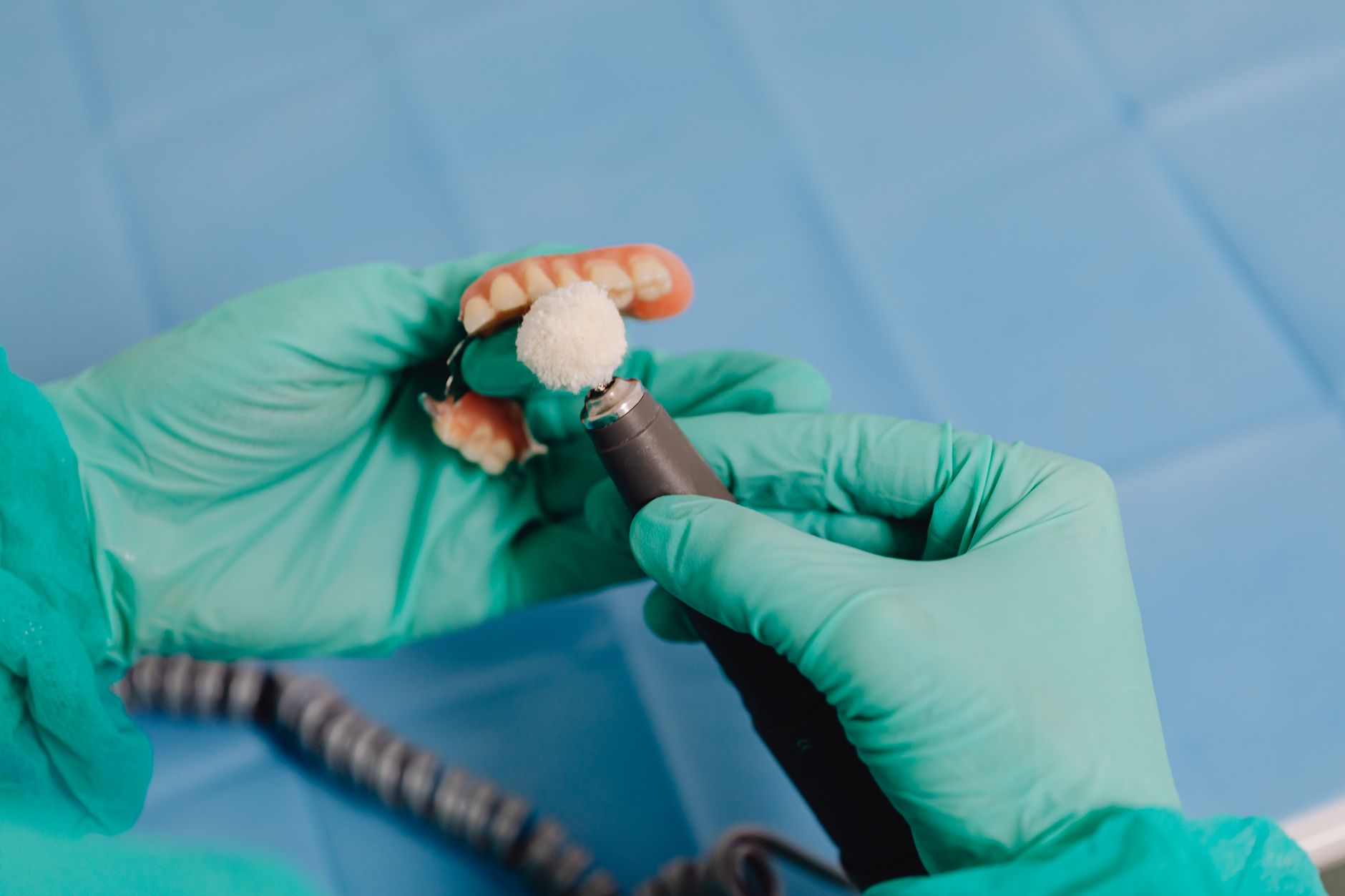
Losing teeth can be a distressing experience, impacting not just your smile but also your ability to eat, speak, and your overall confidence. Fortunately, modern dentistry offers effective solutions to replace missing teeth, with dentures and dental implants being two of the most common. But which one is the best choice for you? The decision isn't always straightforward and depends on several personal factors, including your budget, jawbone health, and lifestyle preferences. Let's explore the differences between dentures and implants to help you make an informed choice in consultation with your dentist.
Both dentures and dental implants aim to restore the function and appearance of your smile after tooth loss. However, they achieve this through very different methods and come with their own set of advantages and disadvantages.
Dentures are removable prosthetic devices designed to replace missing teeth. They consist of a set of artificial teeth mounted on a base that mimics the natural gum line. There are two main types:
Dentures can replace a few missing teeth (partial dentures) or a full set (complete dentures). They offer a quicker and often more affordable solution compared to implants. However, they require daily cleaning and soaking overnight, and may need relining or replacement over time as the jawbone changes shape.
Dental implants are surgical components that act as artificial tooth roots, typically made of titanium. They are surgically placed into the jawbone and fuse with it over time, providing a stable foundation for a replacement tooth (crown). This process offers a more permanent and natural-feeling solution.
The typical implant procedure involves:
While implants offer superior stability and longevity, they are more invasive, require sufficient jawbone density, and come with a higher upfront cost.
When deciding between dentures and implants, consider these critical differences:
Dentures: Being removable, conventional dentures can sometimes feel less stable, especially during eating or speaking. They rely on suction and sometimes adhesives for retention. Immediate and partial dentures can offer better initial stability.
Implants: Surgically anchored into the jawbone, implants provide exceptional stability, closely mimicking natural teeth. They do not shift or move, allowing for confident eating and speaking.
Dentures: Dentures do not stimulate the jawbone. Over time, this can lead to bone loss, causing dentures to become loose and requiring adjustments. This is a common concern, particularly for those with significant tooth loss.
Implants: The implant post acts like a natural tooth root, stimulating the jawbone and helping to prevent bone loss. This preservation of bone is a significant long-term health benefit.
Dentures: Dentures typically last between 5 to 10 years before needing adjustments, relining, or replacement due to wear and changes in the mouth's structure.
Implants: When properly cared for, dental implants can last for 20 years or even a lifetime. They are designed for long-term use, making them a more permanent solution.
Dentures: Require daily cleaning, brushing, and soaking in a special solution overnight. Regular dental check-ups are necessary for adjustments.
Implants: Need to be cared for just like natural teeth – regular brushing, flossing, and professional dental cleanings. They do not require special soaking but do need diligent oral hygiene to prevent complications.
Dentures: Generally have a lower upfront cost. A full set of conventional dentures might range from ₹15,000 to ₹50,000 or more, depending on materials and complexity.
Implants: Have a significantly higher upfront cost, often ranging from ₹30,000 to ₹70,000 or more per implant, not including the crown. However, their longevity can make them more cost-effective in the long run.
Dentures: The process is non-surgical and relatively quick, often completed within a few weeks.
Implants: Involves surgery and a healing period of several months for osseointegration. Recovery from the surgery itself is usually manageable, but the overall timeline is much longer.
Dentures can be an excellent option for individuals who:
Mrs. Sharma, a 65-year-old homemaker, recently had several molars removed due to decay. She was concerned about the cost of implants and the lengthy procedure. Her dentist explained that partial dentures would be a good option to help her chew better and improve her smile without a major financial strain or lengthy recovery.
Dental implants are often recommended for those who:
Mr. Singh, a 58-year-old IT professional, lost a front tooth in an accident. He was very conscious about his appearance and wanted a solution that felt and looked completely natural. His dentist confirmed he had good bone density and recommended a single dental implant, assuring him it would be a permanent fix that wouldn't affect his confidence during client meetings.
It's worth noting that other options exist besides traditional dentures and implants:
Choosing between dentures and implants is a significant dental decision. The best approach is to have an open and detailed conversation with your dentist. They can assess your oral health, discuss your budget, lifestyle, and expectations, and guide you towards the most suitable option. Consider factors like:
You should consult a dentist if you are experiencing any of the following:
Your dentist is your best resource for personalized advice. They can explain the pros and cons of each option in the context of your unique situation and help you achieve a healthy, functional, and confident smile.
Q1: Can I eat normally with dentures or implants?
With well-fitting dentures, you can eat most foods, though very hard or sticky items might require caution. Dental implants function like natural teeth, allowing you to eat virtually anything without worry.
Q2: How long does the dental implant process take?
The entire process, from implant placement to the final crown, can take anywhere from 3 to 9 months, or even longer, depending on healing and bone grafting needs.
Q3: Do dentures cause bone loss?
Yes, conventional dentures can accelerate bone loss over time because they don't stimulate the jawbone. This is a primary reason why implants are often preferred for long-term bone health.
Q4: Are dental implants painful?
During the implant surgery, you will receive anesthesia to ensure comfort. Post-surgery discomfort is usually manageable with over-the-counter pain medication. The implant itself, once integrated, should not cause pain.
Q5: How often do dentures need to be replaced?
Dentures typically need replacement or significant adjustments every 5 to 10 years due to wear and changes in the underlying bone structure.
Visit Hospital
Near You
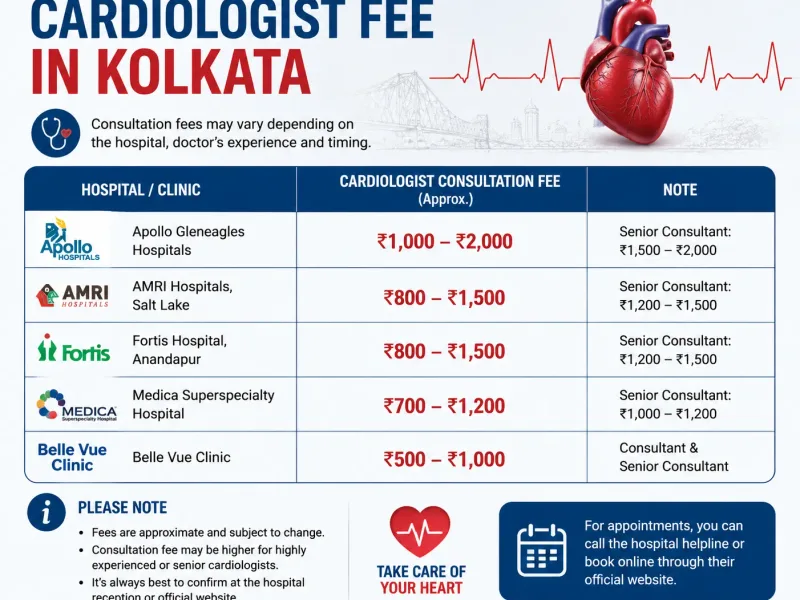
Learn about cardiologist fee in Kolkata, consultation charges, factors affecting costs, and tips to choose the right heart specialist.
May 29, 2026

A simple guide to the best shortness of breath specialist in Kolkata, including causes, symptoms, treatment options, and expert medical advice.
May 29, 2026

Find the best chest pain doctor in Kolkata. Learn causes, symptoms, tests, and treatment options from top heart specialists in simple English.
May 29, 2026