

Emergency & Help
24/7 Emergency & General Advisory
🚨 24/7 Medical Emergency
Non-Emergency Advisory
10:00 AM – 6:00 PM, Mon–Sat
For appointments & general queries.
24/7 Emergency & General Advisory
🚨 24/7 Medical Emergency
Non-Emergency Advisory
10:00 AM – 6:00 PM, Mon–Sat
For appointments & general queries.
Explore how insurance coverage, including principles similar to Medicare, applies to gender affirmation surgeries. Understand the criteria, costs, and appeals process for transgender individuals seeking these medical procedures.

Navigating healthcare can be complex, especially when it comes to procedures that affirm your gender identity. For transgender individuals in India, understanding health insurance coverage is a critical step. While specific policies can vary, this guide aims to shed light on how gender affirmation surgeries are approached, focusing on principles that often guide insurance decisions, even if Medicare itself is specific to the US. The goal is to empower you with knowledge about what constitutes medically necessary care and how to approach insurance providers.
Gender affirmation, sometimes referred to as gender confirmation or previously as gender reassignment, involves surgical procedures that transgender individuals may choose to undergo to align their physical characteristics with their gender identity. These are significant medical interventions, and without insurance, they can represent a substantial financial undertaking. The landscape of coverage for these procedures has been evolving, moving towards recognizing them as medically necessary treatments for gender dysphoria.
Gender affirmation surgeries are a spectrum of procedures designed to help transgender individuals transition their physical bodies to better match their internal sense of self. These surgeries are broadly categorized, often into 'top surgeries' and 'bottom surgeries,' referring to the area of the body being operated on.
When considered medically necessary for treating gender dysphoria, certain gender affirmation surgeries may receive coverage. These can include:
It's important to note that some procedures, while potentially part of a person's affirmation journey, may be classified as cosmetic. These might include treatments like laser hair removal, tracheal (Adam's apple) reduction surgery, or facial feminization surgery. Generally, insurance providers are less likely to cover procedures deemed purely cosmetic.
The path to insurance coverage for gender affirmation surgery typically involves meeting specific medical criteria. These criteria are designed to ensure that the surgery is a necessary medical treatment for gender dysphoria and not merely an elective procedure. While specific requirements can vary, common prerequisites often include:
Imagine Priya, who has been living as a woman for several years and has undergone hormone therapy. She visits her endocrinologist and a therapist, both of whom confirm her diagnosis of gender dysphoria and her readiness for surgery. They help her create a surgical plan for breast augmentation. This detailed documentation becomes vital when she approaches her insurance provider.
Even when a procedure is covered, individuals may still incur out-of-pocket expenses. These can include:
The specific amounts for these costs depend on the insurance plan chosen. Some comprehensive plans might minimize these out-of-pocket expenses more than others.
If a gender affirmation surgery is initially denied coverage, there is usually an appeals process. This process allows you to formally request a review of the decision. The steps for appealing can vary:
It is crucial to follow the specific appeal procedures outlined by your insurance provider to ensure your case is considered.
If you are considering gender affirmation surgery, the first and most important step is to consult with healthcare professionals. This includes:
Open and honest communication with your healthcare team will help you understand your options, navigate the medical requirements, and prepare the necessary documentation for insurance claims.
While the term 'Medicare' applies to the US system, the principles of insurance coverage for gender affirmation surgery often translate globally. In India, it is vital to:
The journey towards gender affirmation is personal and can be challenging. Understanding your healthcare coverage is a significant part of that journey, ensuring you can access the care you need with as few financial barriers as possible.
Generally, insurance policies are more likely to cover surgeries deemed medically necessary for treating gender dysphoria. Procedures considered purely cosmetic may not be covered. It is essential to verify your specific policy details.
Hormone therapy, when medically indicated and supervised, is often a prerequisite for surgery coverage. It's part of the comprehensive treatment plan for gender dysphoria and demonstrates a commitment to medical transition, which insurers may require.
The approval process can vary significantly depending on the insurance provider and the complexity of the case. It can range from a few weeks to several months. Having all the required documentation in order can help expedite the process.
Visit Hospital
Near You
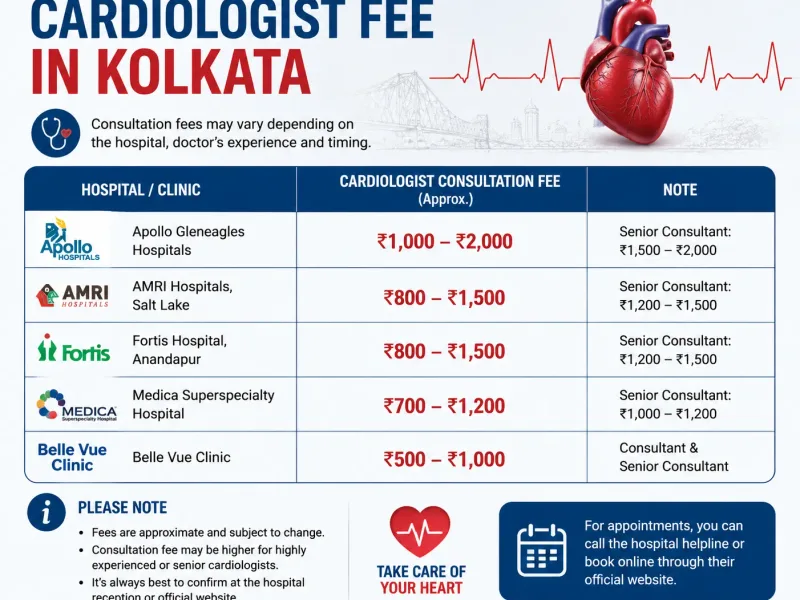
Learn about cardiologist fee in Kolkata, consultation charges, factors affecting costs, and tips to choose the right heart specialist.
May 29, 2026

A simple guide to the best shortness of breath specialist in Kolkata, including causes, symptoms, treatment options, and expert medical advice.
May 29, 2026

Find the best chest pain doctor in Kolkata. Learn causes, symptoms, tests, and treatment options from top heart specialists in simple English.
May 29, 2026