

Emergency & Help
24/7 Emergency & General Advisory
🚨 24/7 Medical Emergency
Non-Emergency Advisory
10:00 AM – 6:00 PM, Mon–Sat
For appointments & general queries.
24/7 Emergency & General Advisory
🚨 24/7 Medical Emergency
Non-Emergency Advisory
10:00 AM – 6:00 PM, Mon–Sat
For appointments & general queries.
Choosing the right primary care physician is vital for your health. Learn how to find a trusted healthcare partner by considering insurance, recommendations, accessibility, and more.

Your primary care physician (PCP) is more than just a doctor; they are your trusted healthcare ally. They serve as your first point of contact for any health concerns, guiding you through preventive care, managing chronic conditions, and coordinating your overall health journey. Building a strong relationship with a PCP you feel comfortable with is paramount to maintaining good health and making informed decisions about your well-being. But with so many options available, how do you find the right doctor for you and your family? This guide will walk you through the essential steps and considerations to help you find a PCP you can rely on.
Think of your PCP as the captain of your healthcare ship. They have a broad understanding of medicine and can address most of your health needs. More importantly, they get to know you – your medical history, your lifestyle, your preferences – which allows them to provide personalized care. When you have a consistent PCP, they can spot subtle changes in your health over time that might otherwise go unnoticed. This continuity of care is vital for early detection and effective management of diseases. They also act as a gatekeeper, helping you navigate the complex healthcare system by referring you to specialists when needed, ensuring you receive the right care from the right experts.
Finding the perfect PCP involves a blend of practicalities and personal preferences. Here’s a breakdown of what to think about:
If you have health insurance, your first step should be to understand your coverage. Check your insurance provider's directory to find out which primary care physicians are in your network. Seeing an in-network doctor will significantly reduce your out-of-pocket expenses. While some plans allow you to see out-of-network doctors, expect higher costs. If you don't have insurance, it's essential to discuss the cost of office visits and any potential procedures upfront with the doctor's office. Understanding the financial aspect before you need care can prevent unexpected burdens.
Word-of-mouth is often the best way to find a reliable doctor. Ask your family, friends, and trusted colleagues for recommendations. They can offer insights into their experiences with specific doctors, including their bedside manner, the efficiency of the practice, and the quality of care received. If you are referred to a specialist, ask that specialist for recommendations for PCPs in the area, as they often know which doctors provide excellent primary care.
Consider the practicalities of getting to the doctor's office. How close is the practice to your home, work, or your children's school? Think about travel time, the ease of finding parking, and whether public transportation options are convenient if you rely on them. In some areas, especially those with limited public transport, accessibility can be a major challenge. If you live in a rural area or a city with few providers, you might need to broaden your search radius.
Inquire about the services offered directly at the doctor's office. Can basic procedures like lab tests, X-rays, or minor surgeries be performed on-site? Having these services available at the same location simplifies your healthcare. If not, you'll need to ensure that any associated labs or imaging facilities are also easily accessible to you. This can save you time and reduce the hassle of coordinating appointments at multiple locations.
What are the typical office hours for the practice? Do they offer appointments in the evenings or on weekends to accommodate working schedules? It's also important to know how long it usually takes to get an appointment, whether for a routine check-up or an urgent concern. A doctor who is difficult to get in to see can be frustrating and may delay necessary care. Ask about their policy for handling after-hours emergencies and whether they offer telemedicine services for remote consultations or advice.
While PCPs are generalists, some may have particular interests or experience with specific patient groups or conditions. Does the doctor have experience treating patients with similar health concerns or demographic backgrounds as you? For example, if you have a chronic condition like diabetes or heart disease, you might seek a PCP with a strong background in managing such illnesses. For specific needs, like geriatric care or pediatric needs, you might look for a doctor with specialized training or a focus in those areas.
The overall atmosphere of the doctor's office plays a role in your comfort. Is the staff friendly, professional, and helpful? A welcoming and efficient front desk staff can make a big difference in your experience. Pay attention to the cleanliness and organization of the waiting room and exam rooms. You want to feel confident that the practice operates smoothly and maintains high standards of care.
Consider whether you prefer a solo practitioner or a doctor in a larger group practice. In a group practice, other doctors are available to see you if your primary doctor is unavailable, which can be beneficial for urgent needs. However, you may see a different doctor each time. In an individual practice, you are more likely to see the same doctor consistently, fostering a deeper patient-doctor relationship. Weigh the pros and cons based on your personal preferences for continuity of care versus immediate access.
Once you've narrowed down your choices, the best way to assess a PCP is to schedule an initial consultation or a meet-and-greet appointment. This is your opportunity to ask questions and get a feel for the doctor's communication style. Don't hesitate to ask about their approach to preventive care, how they handle patient communication, and their philosophy on treatment options.
Scenario: Priya, a busy working mother, was looking for a new PCP for her family. Her current doctor was always rushing, and she felt unheard. She asked her neighbour, who was a nurse, for a recommendation. Her neighbour suggested Dr. Sharma, mentioning that Dr. Sharma's clinic was conveniently located near her children's school and that the staff was very accommodating. Priya called the clinic and was impressed by how quickly they answered her questions about insurance and appointment scheduling.
Your PCP is your first call for:
Don't wait until you're sick to find a PCP. The process of finding the right doctor takes time. By carefully considering these factors and asking the right questions, you can find a healthcare partner who will support your health journey for years to come.
Visit Hospital
Near You
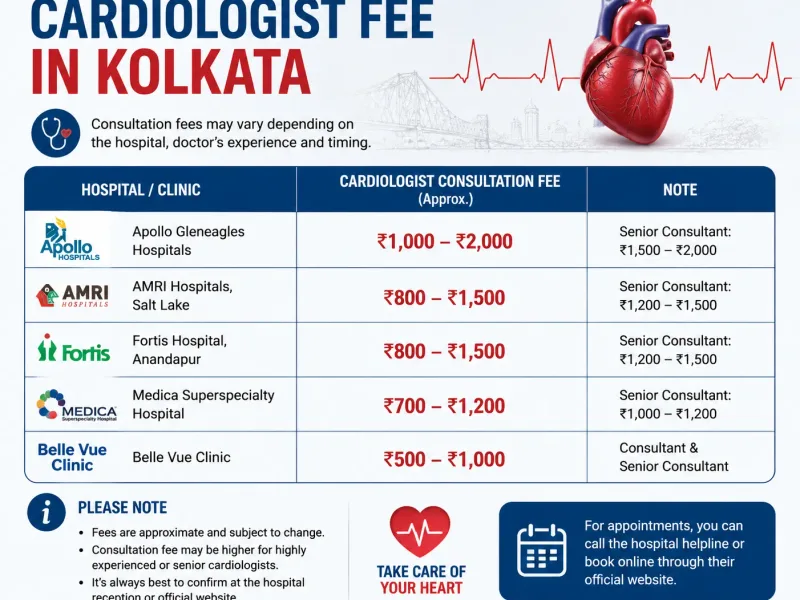
Learn about cardiologist fee in Kolkata, consultation charges, factors affecting costs, and tips to choose the right heart specialist.
May 29, 2026
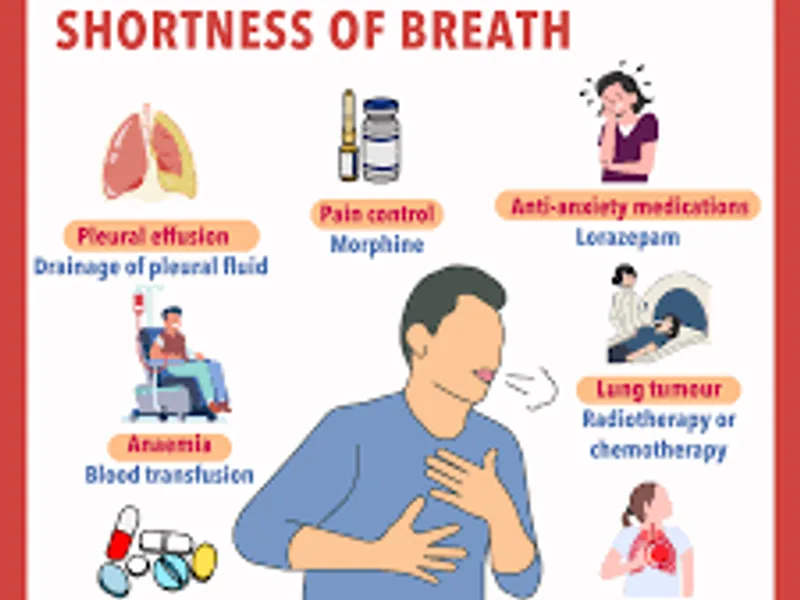
A simple guide to the best shortness of breath specialist in Kolkata, including causes, symptoms, treatment options, and expert medical advice.
May 29, 2026

Find the best chest pain doctor in Kolkata. Learn causes, symptoms, tests, and treatment options from top heart specialists in simple English.
May 29, 2026