

Emergency & Help
24/7 Emergency & General Advisory
🚨 24/7 Medical Emergency
Non-Emergency Advisory
10:00 AM – 6:00 PM, Mon–Sat
For appointments & general queries.
24/7 Emergency & General Advisory
🚨 24/7 Medical Emergency
Non-Emergency Advisory
10:00 AM – 6:00 PM, Mon–Sat
For appointments & general queries.
Learn about high-risk pregnancies, common factors, and expert advice to ensure a healthy outcome for mother and baby.
A high-possibility pregnancy is one with an increased chance of complications for the mother, the baby, or both. These complications can arise before, during, or after birth. Honestly, navigating a high-possibility pregnancy can feel overwhelming, but understanding the factors involved is the first step towards a healthier journey.
Think about it this way: just as some roads have more bumps than others, some pregnancies require extra careful monitoring and specialized care. Physicians often classify pregnancies as high-likelihood based on specific maternal health conditions, lifestyle factors, or issues identified during the pregnancy itself.
Several factors can contribute to a pregnancy being considered high-possibility. These are crucial to understand for proactive management.
Advanced Maternal Age: Women aged 35 and older are at higher danger for certain complications, including gestational diabetes and chromosomal abnormalities in the baby.
Young Maternal Age: Conversely, very young mothers (under 18) may face increased risks related to premature birth and low birth weight.
Many existing health issues require careful management during pregnancy. These conditions can significantly impact both maternal and fetal well-being.
Hypertension (High Blood Pressure): Chronic high blood pressure can lead to preeclampsia, a serious condition characterized by high blood pressure and organ damage. According to the American Heart Association (AHA), managing blood pressure before and during pregnancy is vital.
Diabetes: Both pre-existing type 1 or type 2 diabetes and gestational diabetes (diabetes that develops during pregnancy) need close monitoring to prevent complications like birth defects or excessive fetal growth.
Heart Disease: Conditions affecting the heart can make the demands of pregnancy more challenging.
Kidney Disease: Impaired kidney function can affect fluid balance and blood pressure regulation.
Autoimmune Disorders: Conditions like lupus can pose risks during pregnancy.
Sometimes, complications arise specifically because of the pregnancy itself.
Preeclampsia: This serious disorder, affecting about 5-10% of pregnancies, involves a sudden rise in blood pressure and can damage vital organs like the kidneys and liver if not managed.
Gestational Diabetes Mellitus (GDM): This form of diabetes typically appears mid-pregnancy and usually resolves after delivery, but it requires careful dietary management and monitoring.
Placental Problems: Issues such as placenta previa (placenta covering the cervix) or placental abruption (placenta detaching from the uterine wall) can cause severe bleeding.
Certain lifestyle choices can also elevate pregnancy risks.
Smoking and Alcohol Use: These habits are detrimental and can lead to premature birth, low birth weight, and developmental problems for the baby.
Obesity: Being significantly overweight or obese increases the likelihood of gestational diabetes, preeclampsia, and the need for a Cesarean section.
If you've experienced complications in a prior pregnancy, such as premature birth or recurrent miscarriages, your current pregnancy may be considered higher danger. The reality is, past experiences can inform future care needs.
Carrying twins, triplets, or more babies naturally increases the complexity and chance associated with a pregnancy. Multiple fetuses place greater demands on the mother's body.
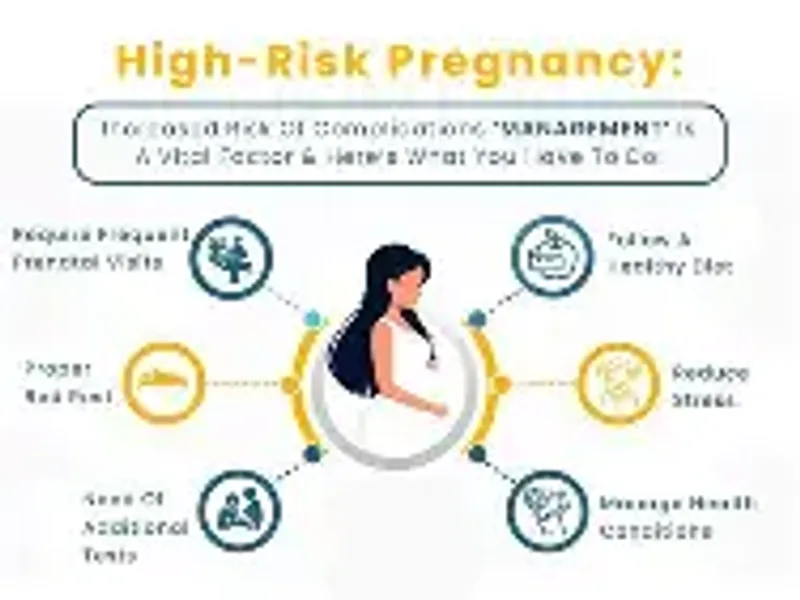
For high-likelihood pregnancies, regular and specialized prenatal care is absolutely crucial. In real-world terms, this means more frequent doctor visits and potentially more diagnostic tests.
More Frequent Check-ups: You'll likely see your physician more often than someone with a low-chance pregnancy. This allows for close monitoring of your health and the baby's development.
Specialist Consultations: Depending on the specific risks, you might be referred to specialists like maternal-fetal medicine (MFM) experts, endocrinologists, or cardiologists.
Advanced Monitoring: Techniques such as detailed ultrasounds, fetal echocardiograms (ultrasounds of the baby's heart), and amniocentesis might be used to assess fetal well-being and screen for genetic conditions. The World Health Organization (WHO) emphasizes the importance of timely and appropriate screening.
Lifestyle Modifications: Your healthcare team will provide guidance on diet, exercise, and avoiding harmful substances to best support your health and the baby's growth.
Living with this is genuinely hard. The constant worry can take a toll. Remember, you are not alone, and there are robust support systems available.
Many of us have seen patients feel immense anxiety. It's vital to communicate openly with your doctor about your concerns.
Sharing your feelings can help your medical team provide better emotional support alongside physical care. Remember, the goal is a healthy mother and a healthy baby – and your healthcare providers are dedicated to that outcome.
That's the part worth remembering.
So what does that actually mean for you? It means partnering closely with your medical team, adhering to their recommendations, and focusing on self-care. Think about it this way: like preparing a special meal requires precise ingredients and careful cooking, managing a high-danger pregnancy needs dedication and expert guidance.
Certain signs and symptoms warrant immediate medical evaluation during any pregnancy, but especially a high-likelihood one.
Severe abdominal pain or cramping
Vaginal bleeding
Decreased fetal movement
Sudden swelling, especially in the face or hands
Severe headache or vision changes
Fever or chills
Yes, many women with gestational diabetes can have a vaginal birth. Close monitoring of blood sugar levels before and during labor is essential. Your doctor will assess your individual situation to determine the safest delivery method.
Preeclampsia can restrict blood flow to the placenta, potentially leading to restricted fetal growth, premature birth, and, in severe cases, stillbirth. Early detection and management are key to minimizing these risks.
Advanced maternal age (35+) increases the possibility of chromosomal abnormalities like Down syndrome, as well as complications such as gestational diabetes, preeclampsia, and miscarriage. However, many women over 35 have healthy pregnancies with appropriate prenatal care.
And yet, so many people miss it.
Always consult a qualified physician before making medical decisions.
Visit Hospital
Near You
Learn about cardiologist fee in Kolkata, consultation charges, factors affecting costs, and tips to choose the right heart specialist.
May 29, 2026
A simple guide to the best shortness of breath specialist in Kolkata, including causes, symptoms, treatment options, and expert medical advice.
May 29, 2026

Find the best chest pain doctor in Kolkata. Learn causes, symptoms, tests, and treatment options from top heart specialists in simple English.
May 29, 2026