

Emergency & Help
24/7 Emergency & General Advisory
🚨 24/7 Medical Emergency
Non-Emergency Advisory
10:00 AM – 6:00 PM, Mon–Sat
For appointments & general queries.
24/7 Emergency & General Advisory
🚨 24/7 Medical Emergency
Non-Emergency Advisory
10:00 AM – 6:00 PM, Mon–Sat
For appointments & general queries.
Understand if Medicare Part A is free, who qualifies for premium-free coverage, and the potential costs like deductibles and coinsurance for hospital stays and skilled nursing care.

Navigating the world of healthcare coverage can feel like trying to solve a complex puzzle, especially when it comes to understanding the costs associated with programs like Medicare. A common question many individuals have is, “Is Medicare Part A really free?” The short answer is: for most people, yes, it is. But like many things in life, there are nuances and specific conditions that determine whether you’ll pay a monthly premium for this essential part of your healthcare coverage. This guide aims to demystify Medicare Part A costs, helping you understand who qualifies for premium-free coverage, what other expenses you might encounter, and how to make informed decisions about your healthcare. We'll break down the essential information in a way that's easy to grasp, keeping in mind the needs of readers across India who may be planning for their future healthcare needs or assisting loved ones. What Exactly is Medicare Part A? Before we dive into the costs, let's clarify what Medicare Part A covers. Think of Medicare as a federal health insurance program primarily for individuals aged 65 and older. It also provides coverage for younger people with certain disabilities and those with End-Stage Renal Disease (ESRD). Medicare is divided into different “Parts,” and Part A is specifically focused on inpatient care . This includes: Hospital stays Care in a skilled nursing facility (following a qualifying hospital stay) Hospice care Some home health care services Essentially, Part A is your safety net for when you need more intensive medical attention in a facility setting. It’s designed to alleviate the significant financial burden that hospitalizations can bring. Who Qualifies for Premium-Free Medicare Part A? The key factor determining whether you pay a monthly premium for Medicare Part A is your U.S. work history and tax contributions. The program is largely funded through payroll taxes. If you or your spouse have worked and paid Medicare taxes for a sufficient period, you can typically receive Part A coverage without a monthly premium. The 40-Quarter Rule: Your Golden Ticket The standard requirement for premium-free Part A is having worked and paid Medicare taxes for at least 40 quarters in your lifetime. A quarter is a three-month period, so 40 quarters equates to 10 years of work. If you meet this threshold, you generally won't have to pay a monthly premium for Part A. Scenario: Consider Mrs. Sharma, who worked as a teacher for 35 years in the U.S. before retiring. She and her husband, Mr. Sharma, who also worked for over 10 years, both easily meet the 40-quarter requirement. When they turned 65, they were automatically enrolled in Medicare Part A with no monthly premium to pay, a significant relief for their retirement budget. Other Ways to Get Premium-Free Part A Beyond the standard 40-quarter rule, there are a few other specific circumstances under which you might qualify for premium-free Part A: Receiving Social Security or Railroad Retirement Board (RRB) benefits: If you are 65 or older and already receiving Social Security or RRB retirement benefits, you are typically enrolled in Part A automatically and without a premium. Being eligible for Social Security or RRB benefits: Even if you haven’t started receiving your benefits yet, if you are 65 and eligible, you may qualify for premium-free Part A. Having a government job: If you or your spouse had Medicare-covered government health insurance, you might be eligible for premium-free Part A. Disability benefits: If you are under 65 and have been receiving Social Security or RRB disability benefits for 24 months, you automatically become eligible for Medicare Part A, usually without a premium. End-Stage Renal Disease (ESRD): Individuals diagnosed with ESRD can qualify for Medicare Part A, often without a premium, regardless of age or work history. When Do You Have to Pay a Monthly Premium for Part A? If you or your spouse haven't worked long enough to meet the 40-quarter requirement, you will likely have to pay a monthly premium for Medicare Part A. The cost is based on your total quarters of work and tax contributions. Calculating the Part A Premium The premium amount can vary. For 2025, the standard monthly premium for Part A is structured as follows: 30-39 quarters of work: If you or your spouse worked for 30 to 39 quarters, the standard monthly premium is approximately $285. Fewer than 30 quarters of work: If you or your spouse worked for fewer than 30 quarters, the standard monthly premium is higher, around $518 in 2025. These figures are subject to change annually. It's important to check the latest figures from official Medicare resources. How Premiums Are Paid If you are required to pay a Part A premium, it's often deducted directly from your Social Security or railroad retirement benefits. If you don't receive these benefits, you'll receive a bill from Medicare, typically requesting payment for three months in advance. If you miss a payment or your premium amount changes, your bill might be higher than usual. Beyond Premiums: Other Costs of Medicare Part A Even if you qualify for premium-free Part A, it's not entirely without cost. Medicare Part A involves other out-of-pocket expenses that you should be aware of, primarily deductibles and coinsurance. Part A Deductibles A deductible is a fixed amount you pay for covered health care services before your insurance begins to pay. For Medicare Part A, you pay a deductible for each benefit period . A benefit period begins the day you're admitted as an inpatient in a hospital or skilled nursing facility and ends when you haven't received any inpatient hospital or skilled nursing care for 60 consecutive days. In 2025, the Medicare Part A deductible for each benefit period is $1,676 . This means for each separate hospital or skilled nursing stay, you’ll pay this amount first before Medicare starts covering the bulk of the costs for that benefit period. Coinsurance Costs While Part A covers the full cost of hospice care, there are coinsurance charges for longer stays in a hospital or skilled nursing facility within a single benefit period: Days 1-60 of each benefit period: $0 coinsurance (after meeting the deductible) Days 61-90 of each benefit period: $419 per day coinsurance (in 2025) Days 91 and beyond: $838 per day coinsurance for each lifetime reserve day (you have 60 lifetime reserve days) Skilled nursing facility care: Coinsurance applies after the first 20 days. These costs can add up quickly, underscoring the importance of understanding your coverage limits. When to Consult a Doctor or Specialist Understanding Medicare Part A costs is a financial and logistical step towards ensuring you have access to necessary healthcare. However, the primary reason for Medicare is to cover medical needs. You should consult your doctor or a relevant specialist if you experience symptoms that might require hospitalization or skilled nursing care. This includes: Severe pain or discomfort Sudden inability to perform daily activities A serious injury or illness requiring immediate medical attention Needing rehabilitation after surgery or an illness Your doctor can assess your condition and determine if inpatient care, skilled nursing, or hospice services, which are covered by Part A, are necessary. Early consultation can lead to timely treatment and better health outcomes. Can You Get Help with Medicare Part A Costs? If you find the deductibles and coinsurance for Medicare Part A challenging to afford, there is help available. Many states offer Medicare Savings Programs (MSPs) . These programs are designed to assist individuals with limited income and resources in paying for their Medicare premiums, deductibles, and coinsurance. Eligibility varies by state, so it's worth investigating if such a program exists in your area. These can significantly reduce your out-of-pocket healthcare expenses. Frequently Asked Questions About Medicare Part A Costs Q1: Am I automatically enrolled in Medicare Part A? A: In most cases, yes. If you are already receiving Social Security or Railroad Retirement Board (RRB) benefits when you turn 65, you'll likely be automatically enrolled. If not, you may need to sign up manually through the Social Security Administration. Q2: What is a “benefit period” for Medicare Part A? A: A benefit period begins the day you are admitted as an inpatient in a hospital or skilled nursing facility. It ends when you haven't received any inpatient hospital or skilled nursing care for 60 consecutive days. You pay a deductible for each benefit period. Q3: Does Medicare Part A cover long-term care? A: Medicare Part A primarily covers short-term skilled nursing care and rehabilitation, not long-term custodial care (help with daily living activities like bathing and dressing). For long-term care, you might need to explore other insurance options or private pay. Q4: What happens if I have ESRD? A: If you have End-Stage Renal Disease (ESRD), you can qualify for Medicare Part A, and often Part B, regardless of your age or work history. This coverage can begin on the first day of the month your dialysis treatment begins or, in some cases, the month before. Making Informed Decisions About Your Healthcare Understanding
In summary, timely diagnosis, evidence-based treatment, and prevention-focused care improve long-term health outcomes.
Visit Hospital
Near You
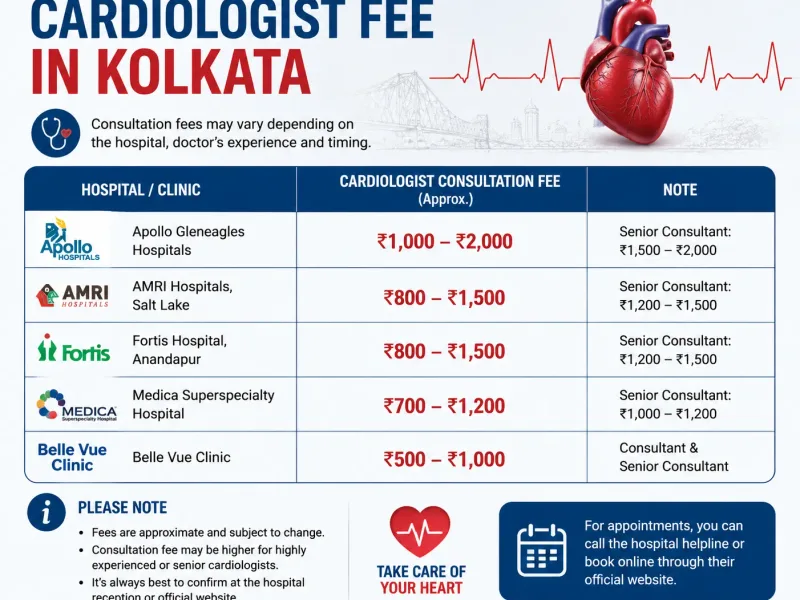
Learn about cardiologist fee in Kolkata, consultation charges, factors affecting costs, and tips to choose the right heart specialist.
May 29, 2026
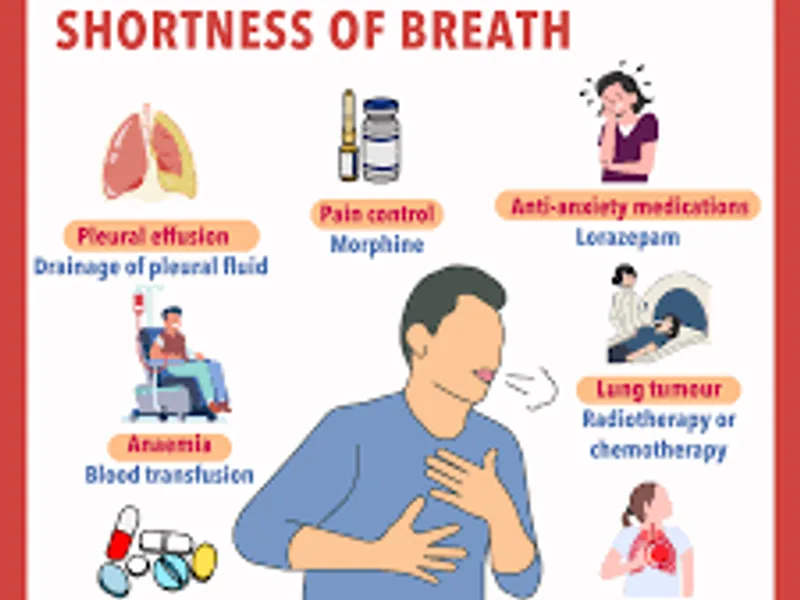
A simple guide to the best shortness of breath specialist in Kolkata, including causes, symptoms, treatment options, and expert medical advice.
May 29, 2026

Find the best chest pain doctor in Kolkata. Learn causes, symptoms, tests, and treatment options from top heart specialists in simple English.
May 29, 2026