

Emergency & Help
24/7 Emergency & General Advisory
🚨 24/7 Medical Emergency
Non-Emergency Advisory
10:00 AM – 6:00 PM, Mon–Sat
For appointments & general queries.
24/7 Emergency & General Advisory
🚨 24/7 Medical Emergency
Non-Emergency Advisory
10:00 AM – 6:00 PM, Mon–Sat
For appointments & general queries.
Learn about maxillofacial surgery, a specialized field addressing conditions of the mouth, jaw, and lower face. Understand procedures, recovery, and when to seek expert care.
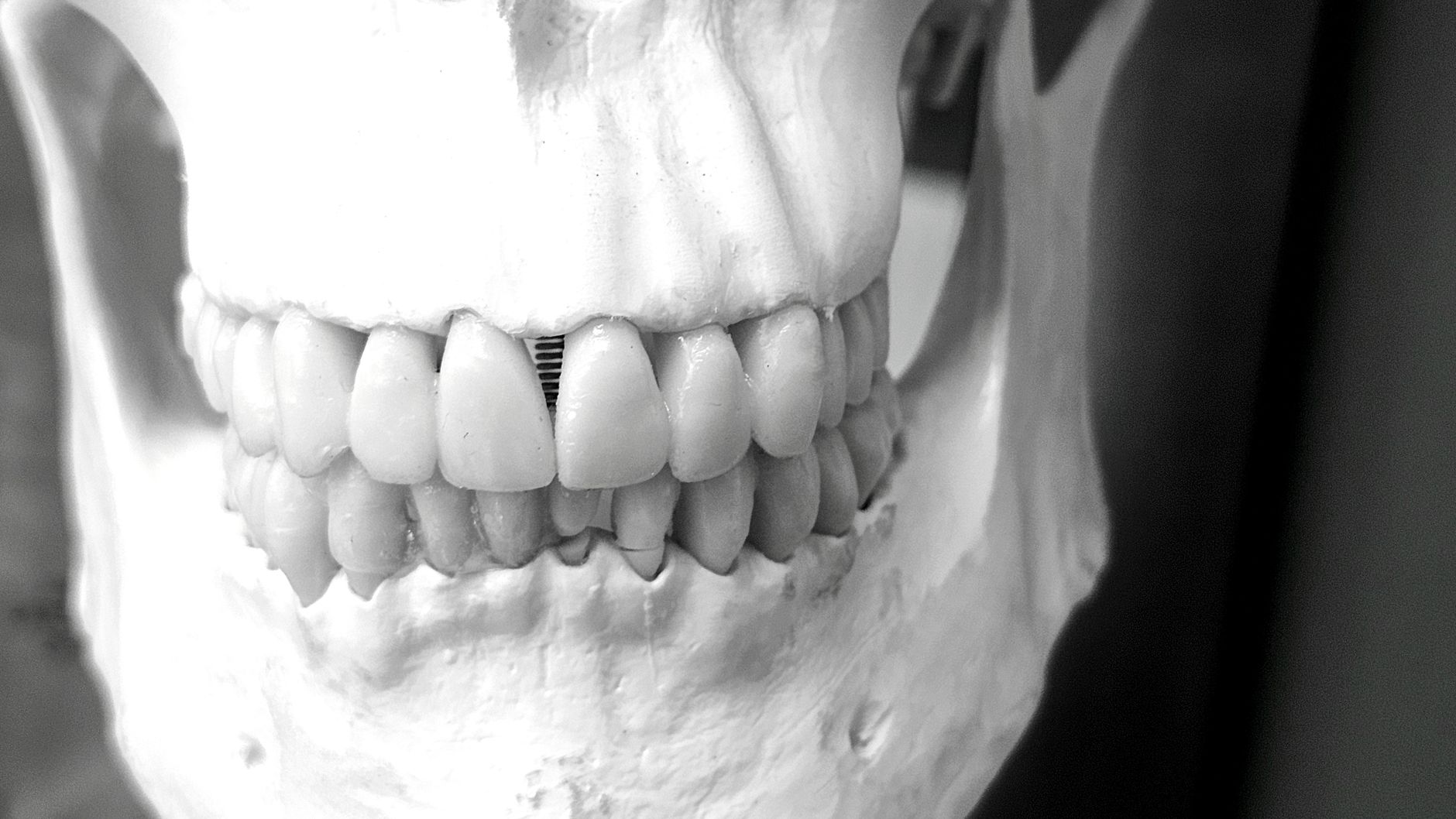
Maxillofacial surgery is a specialized field that deals with surgical procedures involving the mouth, jaw, and the lower part of the face, collectively known as the maxillofacial region. This type of surgery addresses a wide range of conditions and issues, from correcting deformities to preparing the mouth for complex dental work. It is performed by a highly trained specialist called a maxillofacial surgeon, who often works closely with dentists and other medical professionals to ensure the best possible outcomes for patients.
A maxillofacial surgeon is a medical professional who has undergone extensive training in oral and maxillofacial surgery. This training typically includes a dental degree followed by a specialized residency program. They are equipped to diagnose and treat conditions affecting the face, jaw, mouth, and neck. Your dentist or general physician may refer you to a maxillofacial surgeon if they suspect that your condition can be effectively managed through surgical intervention in this specific area.
Maxillofacial surgery encompasses a broad spectrum of procedures aimed at treating various conditions. Some of the common issues addressed include:
Beyond treating medical conditions, maxillofacial surgery plays a crucial role in preparing the mouth for advanced dental treatments. This can include:
The specific steps involved in maxillofacial surgery vary significantly depending on the condition being treated and the complexity of the procedure. Some surgeries are relatively straightforward and can be performed on an outpatient basis, allowing the patient to return home the same day. Others are more intricate and may require hospitalization or multiple surgical sessions.
Before any procedure, you will have a detailed discussion with your surgeon about the type of anesthesia that will be used. Options may include:
Your surgeon will recommend the most appropriate anesthesia based on your health status and the nature of the surgery.
Your journey with maxillofacial surgery begins with a consultation. During this appointment, the surgeon will:
This comprehensive evaluation helps the surgeon formulate the most effective surgical plan tailored to your specific needs.
Post-operative care is critical for a successful recovery. After the surgery, you may be taken to a recovery room to be monitored as the anesthesia wears off. It is normal to experience some pain, swelling, and discomfort as the anesthesia subsides. Your surgeon will typically prescribe pain medication to manage this.
Incisions are usually closed with stitches and may be packed with gauze. If the procedure was outpatient, you might be able to go home within a few hours. However, if you received sedation or general anesthesia, you will need someone to drive you home. For inpatient procedures, a hospital stay of one to two days might be necessary.
In the initial days following surgery, common symptoms may include:
The duration of these symptoms varies depending on the extent of the surgery. Your healthcare team can provide a more precise recovery timeline.
While specific instructions will be tailored to your procedure, general guidelines for recovery often include:
While some discomfort is expected after surgery, you should contact your maxillofacial surgeon or seek immediate medical attention if you experience any of the following:
Preventing conditions that require maxillofacial surgery often involves good oral hygiene, regular dental check-ups, wearing protective gear during sports, and following safety precautions to avoid facial injuries. For many conditions, maxillofacial surgery offers a significant improvement in function, aesthetics, and quality of life. The long-term outlook is generally positive, with most patients experiencing a full recovery and resolution of their initial problems after adhering to post-operative care instructions.
This section adds practical context and preventive advice to help readers make informed healthcare decisions. It is important to verify symptoms early, consult qualified doctors, and avoid self-medication for persistent health issues.
Maintaining healthy routines, following prescribed treatment plans, and attending regular checkups can improve outcomes. If symptoms worsen or red-flag signs appear, immediate medical evaluation is recommended.
Track symptoms and duration.
Follow diagnosis and treatment from a licensed practitioner.
Review medication side effects with your doctor.
Seek urgent care for severe warning signs.
Visit Hospital
Near You
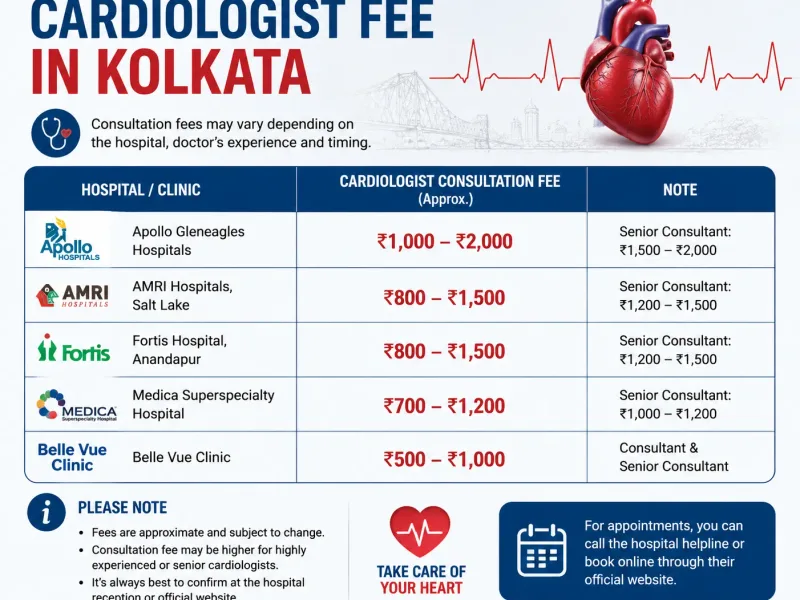
Learn about cardiologist fee in Kolkata, consultation charges, factors affecting costs, and tips to choose the right heart specialist.
May 29, 2026

A simple guide to the best shortness of breath specialist in Kolkata, including causes, symptoms, treatment options, and expert medical advice.
May 29, 2026

Find the best chest pain doctor in Kolkata. Learn causes, symptoms, tests, and treatment options from top heart specialists in simple English.
May 29, 2026