

Emergency & Help
24/7 Emergency & General Advisory
🚨 24/7 Medical Emergency
Non-Emergency Advisory
10:00 AM – 6:00 PM, Mon–Sat
For appointments & general queries.
24/7 Emergency & General Advisory
🚨 24/7 Medical Emergency
Non-Emergency Advisory
10:00 AM – 6:00 PM, Mon–Sat
For appointments & general queries.
Understand Medicare Advantage (Part C), an alternative to Original Medicare. Learn about its benefits, coverage, enrollment, and whether it's the right choice for you.

Navigating healthcare options can feel overwhelming, especially when it comes to Medicare. If you're approaching 65 or are already eligible, you've likely heard about Original Medicare and Medicare Advantage. While Original Medicare (Parts A and B) forms the foundation, Medicare Advantage, also known as Part C, offers a different path. This guide will break down what Part C is, how it works, and whether it's the right choice for your healthcare needs. What is Medicare Advantage (Part C)? Think of Medicare Advantage as an alternative to Original Medicare. These plans are offered by private insurance companies that have been approved by Medicare. The key feature of Part C is that it must provide at least the same coverage as Original Medicare (Part A for hospital care and Part B for medical care). However, many Part C plans go a step further by bundling prescription drug coverage (Part D) and often include extra benefits that Original Medicare doesn't cover. Essentially, a Medicare Advantage plan often combines Parts A, B, and D into a single plan, simplifying your coverage. This can be particularly appealing for those who prefer a more consolidated approach to their healthcare management. Key Benefits of Medicare Advantage Plans One of the biggest draws of Part C plans is the potential for additional benefits that support your overall health and wellness. While the exact benefits vary by plan and insurer, common additions include: Routine Vision Care: Coverage for eye exams, glasses, or contact lenses. Routine Hearing Care: Help with hearing aids and routine hearing exams. Dental Care: Coverage for services like cleanings, X-rays, fillings, and sometimes even dentures or other major dental work. Fitness Programs: Many plans offer access to gym memberships or fitness classes. Telehealth Services: Convenient access to doctors and specialists remotely. Some plans might even offer benefits like transportation to medical appointments or over-the-counter medication allowances. What Services Does Part C Cover? All Medicare Advantage plans are required to cover the essential services provided by Original Medicare. This includes: Hospital Stays: Inpatient care in a hospital. Skilled Nursing Facility Stays: Limited stays for rehabilitation after a hospital stay. Doctor Visits: Outpatient care from doctors, specialists, and other healthcare providers. Preventive Services: Screenings, vaccinations, and wellness check-ups. Mental Health Services: Both inpatient and outpatient care. Prescription Drugs: Many plans include Part D prescription drug coverage. It's important to remember that Part C plans have an out-of-pocket maximum. Once you reach this limit for covered services in a calendar year, the plan pays 100% of the costs for those services for the remainder of the year. This provides a significant layer of financial protection. When Can You Enroll in a Medicare Advantage Plan? Understanding enrollment periods is crucial for making informed decisions about your Medicare coverage. Here are the key times: Initial Enrollment Period (IEP): If you're turning 65, you have a seven-month window around your 65th birthday to enroll in Medicare. This includes the three months before, the month of, and the three months after your birthday month. Open Enrollment Period (OEP): This runs from October 15 to December 7 each year. During this time, anyone with Medicare can switch from Original Medicare to a Medicare Advantage plan, or switch between Medicare Advantage plans. You can also drop your Part C plan and return to Original Medicare. Medicare Advantage Open Enrollment Period (MA OEP): From January 1 to March 31 each year, if you are already enrolled in a Medicare Advantage plan, you can switch to a different Medicare Advantage plan or switch back to Original Medicare (and enroll in a separate Part D plan). Special Enrollment Period (SEP): Certain life events may qualify you for a Special Enrollment Period, allowing you to join or switch plans outside of the standard enrollment windows. Examples include losing other health coverage, moving out of your plan's service area, or qualifying for Extra Help with prescription drug costs. Types of Medicare Advantage Plans Medicare Advantage plans come in various structures, each with its own network and cost-sharing rules. The most common types include: Health Maintenance Organization (HMO): These plans typically require you to use doctors and hospitals within the plan's network. You'll usually need to choose a primary care physician (PCP) and get a referral to see a specialist. Preferred Provider Organization (PPO): PPO plans offer more flexibility. You can see doctors outside the plan's network, but you'll pay more for out-of-network care. Referrals to specialists are often not required. Private Fee-for-Service (PFFS): These plans allow you to see any doctor, hospital, or other provider that accepts the plan's payment terms. You don't typically need a PCP or referrals. Special Needs Plans (SNPs): SNPs are designed for people with specific chronic conditions (like diabetes or heart failure) or those who qualify for both Medicare and Medicaid. They offer tailored benefits and care management. In 2025, a significant portion of available Medicare Advantage plans are HMOs, but PPO plans are growing in popularity. Original Medicare vs. Medicare Advantage: Which is Right for You? Choosing between Original Medicare and Medicare Advantage depends on your individual needs, budget, and preferences. Here's a comparison to help you decide: Original Medicare (Parts A & B) Pros: Maximum flexibility; you can see any doctor or specialist who accepts Medicare without needing referrals or prior authorization. You can also enroll in a separate Medigap plan to help cover out-of-pocket costs. Cons: Doesn't include prescription drug coverage (you need Part D), routine vision, hearing, or dental care. Out-of-pocket costs can be higher without Medigap. Medicare Advantage (Part C) Pros: Often bundles hospital, medical, and prescription drug coverage (Parts A, B, & D) into one plan. Usually includes extra benefits like dental, vision, and hearing. Has an annual out-of-pocket maximum for predictable costs. Cons: You must use doctors and facilities within the plan's network (except in emergencies), and you may need referrals to see specialists. Coverage can be lost if you move out of the plan's service area. Scenario: Mr. Sharma, a 70-year-old retiree, has been managing his diabetes with Original Medicare. He recently needed a new pair of glasses and found out his Original Medicare doesn't cover routine vision care. His neighbor told him about Medicare Advantage plans that include vision and dental benefits, and he's wondering if switching would be a good idea, especially since his diabetes medication is also a significant monthly expense. Mr. Sharma's situation highlights a common dilemma. If he switches to a Medicare Advantage plan that covers vision and dental, he might simplify his healthcare by having all his needs met under one plan. However, he needs to carefully check if the plan's network includes his current endocrinologist and if it covers his specific diabetes medications. He should also compare the total costs, including premiums, copays, and deductibles, for both Original Medicare with a Part D plan and the Medicare Advantage option. Costs Associated with Medicare Advantage The costs for Medicare Advantage plans can vary significantly. While many plans offer low monthly premiums, some even as low as $0, you'll still need to pay your Part B premium. Other costs to consider include: Monthly Premium: The amount you pay each month for the plan. Deductible: An amount you pay before your insurance starts to cover costs. Copayments: A fixed amount you pay for a covered health service after you've met your deductible. Coinsurance: Your share of the costs of a covered health care service, calculated as a percentage (e.g., 20%) of the allowed amount for the service. Remember, the out-of-pocket maximum provides a cap on your annual spending for covered services. When to Consult a Doctor or Specialist Choosing a health plan is a significant decision. If you're unsure whether Medicare Advantage is the right fit for you, or if you have specific health concerns, don't hesitate to seek guidance. Your primary care physician can offer insights into your current health needs and how different plans might align. Additionally, resources like your local State Health Insurance Assistance Program (SHIP) offer free, unbiased counseling to help you compare plans and understand your options. Frequently Asked Questions About Medicare Advantage Can I have both Original Medicare and a Medicare Advantage plan? No, you can only have one type of Medicare coverage at a time. You must choose between Original Medicare (Parts A and B, possibly with a Part D and Medigap plan) or a Medicare Advantage plan (Part C). What happens if my Medicare Advantage plan changes its benefits or costs next year? Insurers can change plan benefits, costs, and coverage each year. You'll receive an Annual Notice of Changes (ANOC) and Health Plan Options Explanation (HPO) before October 1, detailing these changes. This is your opportunity during the Open Enrollment Period (October 15 - December 7) to switch to a different plan if the changes don't suit you. Will my current doctors accept a Medicare Advantage plan? It depends on the plan. HMO plans typically require you to use in-network providers. PPO plans offer more flexibility but at a higher cost for out-of-network care.
In summary, timely diagnosis, evidence-based treatment, and prevention-focused care improve long-term health outcomes.
Visit Hospital
Near You
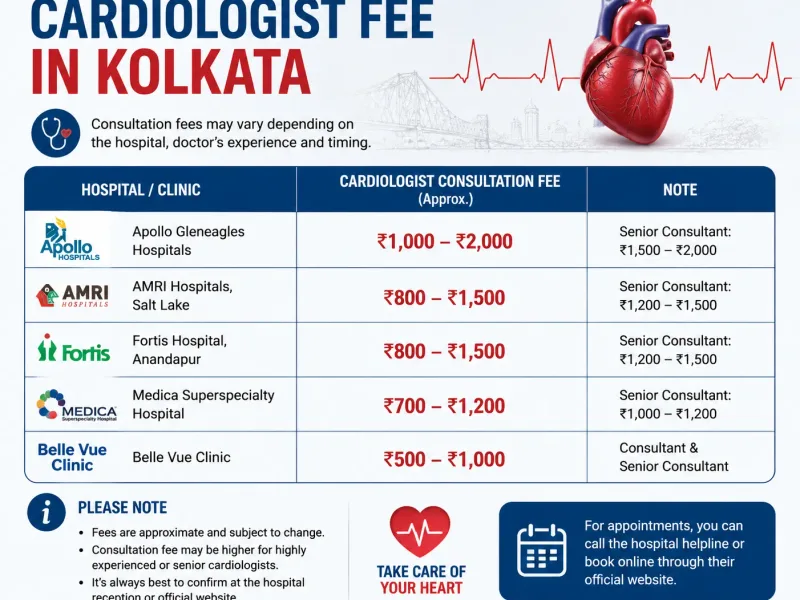
Learn about cardiologist fee in Kolkata, consultation charges, factors affecting costs, and tips to choose the right heart specialist.
May 29, 2026
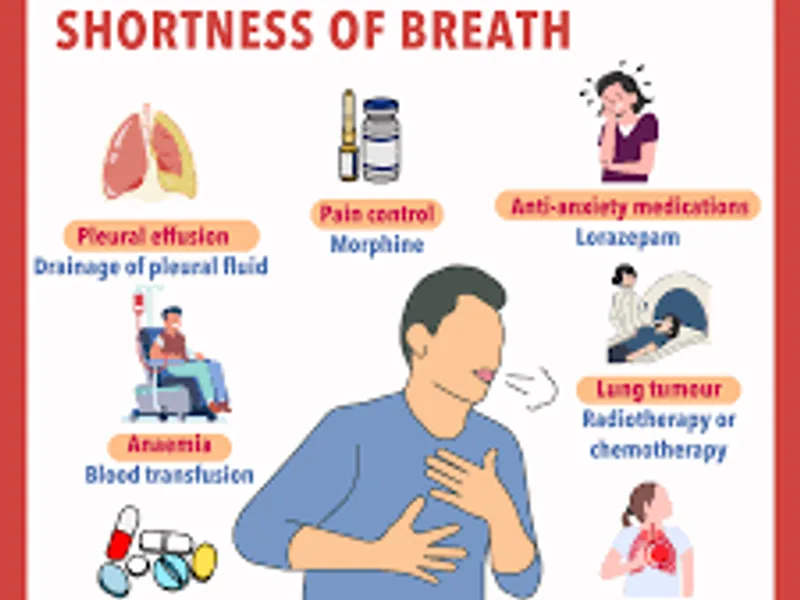
A simple guide to the best shortness of breath specialist in Kolkata, including causes, symptoms, treatment options, and expert medical advice.
May 29, 2026

Find the best chest pain doctor in Kolkata. Learn causes, symptoms, tests, and treatment options from top heart specialists in simple English.
May 29, 2026