

Emergency & Help
24/7 Emergency & General Advisory
🚨 24/7 Medical Emergency
Non-Emergency Advisory
10:00 AM – 6:00 PM, Mon–Sat
For appointments & general queries.
24/7 Emergency & General Advisory
🚨 24/7 Medical Emergency
Non-Emergency Advisory
10:00 AM – 6:00 PM, Mon–Sat
For appointments & general queries.
Understand how Medicare covers bone density tests, including frequency, qualifying conditions, and how to ensure you have no out-of-pocket costs. Learn about Part B and Part C coverage.
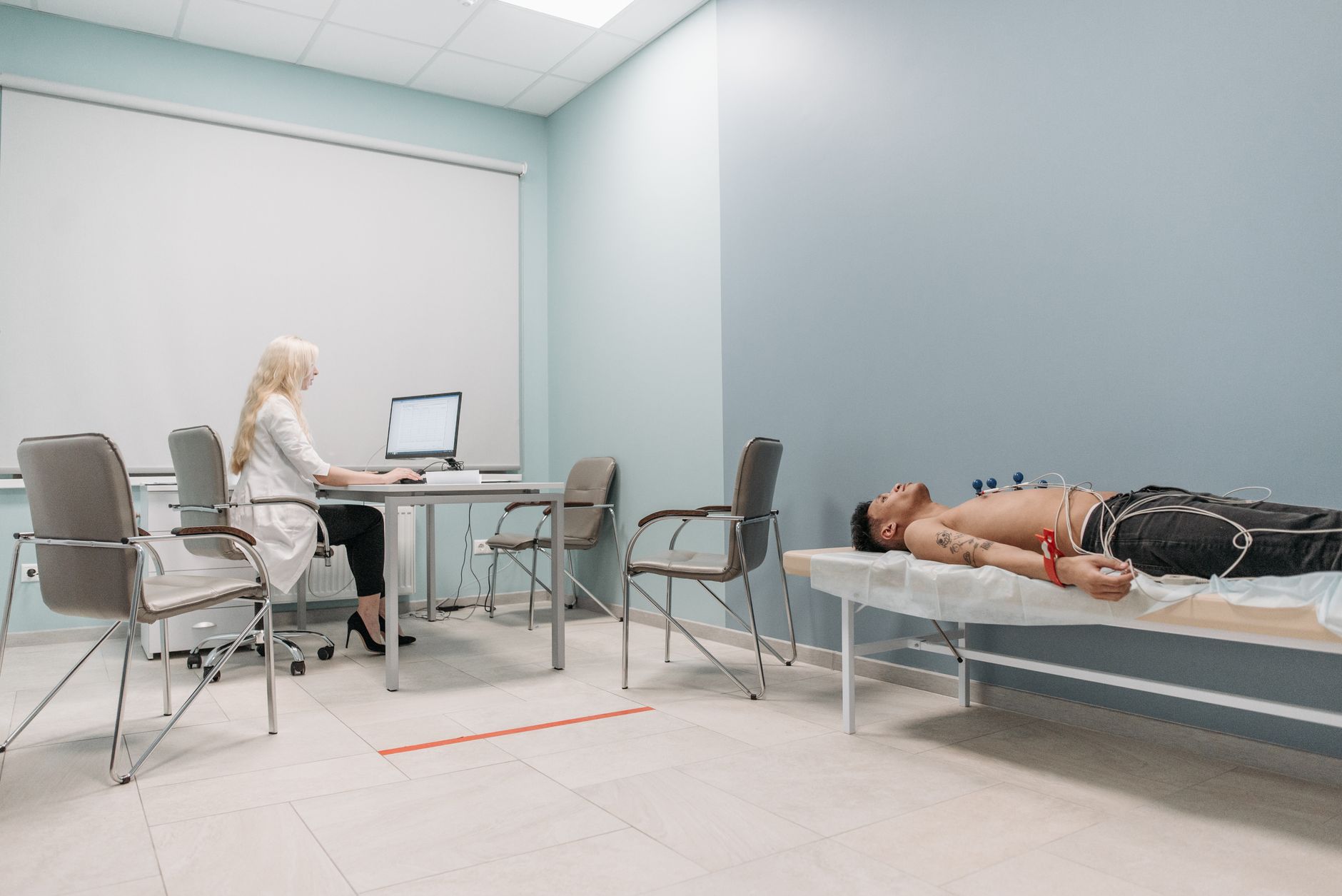
Understanding your healthcare coverage can feel like navigating a maze, especially when it comes to tests that are important for your long-term health. Bone density tests, often recommended as we age, are vital for detecting conditions like osteoporosis. Many people wonder if Medicare covers these important screenings. The good news is, for many, Medicare does provide coverage, but there are specific guidelines and conditions to be aware of. This guide will break down how Medicare covers bone density tests, who qualifies, and how to ensure you get the most out of your benefits.
A bone density test, also known as a bone mineral density (BMD) test, is a quick and painless imaging procedure. It uses a special X-ray technology, often referred to as DXA (dual-energy X-ray absorptiometry), to measure how much calcium and other minerals are in your bones. This test is the gold standard for diagnosing bone density problems, most notably osteoporosis, a condition where bones become weak and more likely to fracture. Early detection through these tests allows for timely treatment and can significantly reduce the risk of debilitating fractures, especially in the spine, hip, and wrist.
As we get older, our bones naturally lose some density. This process can accelerate, leading to conditions like osteopenia (low bone mass) and osteoporosis. Osteoporosis is often called a "silent disease" because it typically has no symptoms until a bone breaks. Fractures, especially hip fractures, can have severe consequences for older adults, leading to loss of independence, chronic pain, and even increased mortality. Bone density tests help doctors identify individuals at high risk before a fracture occurs, allowing for preventive measures and treatment to strengthen bones and maintain mobility.
Consider Mrs. Sharma, a 70-year-old woman who recently fell and fractured her wrist. While recovering, her doctor suggested a bone density test. She was surprised to learn she had osteoporosis and that this test could have potentially identified her risk earlier, allowing for lifestyle changes and medication to prevent the fracture.
Yes, Medicare generally covers bone density tests. Original Medicare, which includes Part A and Part B, offers coverage for these tests under specific circumstances. Medicare Part B is particularly relevant here, as it covers most outpatient services and diagnostic tests ordered by your doctor.
Medicare Part B covers routine preventive and outpatient services. A bone density scan ordered by your doctor to diagnose or monitor certain health conditions falls under this. The standard coverage allows for one bone density test every 24 months. However, this frequency can increase if your doctor deems it medically necessary due to specific health conditions or risk factors.
Medicare recognizes that certain conditions place individuals at a higher risk for decreased bone density and fractures. If you have any of the following conditions, your doctor may order more frequent bone density tests, and Medicare is likely to cover them:
In some cases, Medicare Part A might cover a bone scan if it is performed as part of an inpatient hospital stay or during a stay in a skilled nursing facility. This is less common for routine screening and more likely if the scan is ordered as part of a broader diagnostic workup during a hospital admission.
To make sure your bone density test is fully covered by Medicare with no out-of-pocket costs, you need to meet a few basic conditions:
You can use Medicare's online tool or call them directly to find facilities in your area that accept Medicare. Always confirm with the facility beforehand that they are a Medicare-participating provider.
If you have a Medicare Advantage plan (Part C), your coverage for bone density tests should be at least as good as Original Medicare. These plans are required to cover all the services that Original Medicare covers. However, plan rules, like copayments or preferred provider networks, might differ. It's always best to check with your specific Medicare Advantage plan provider for details on coverage, deductibles, copays, and any specific facilities they recommend or require you to use.
The bone density test itself is quite straightforward. You'll typically lie on a padded table, and a scanner will pass over your body. The most common areas scanned are the hip and spine, as these are most prone to fractures. Sometimes, other areas like the forearm might be measured. The scan usually takes about 10 to 20 minutes. You don't need any special preparation, such as fasting, though you may be asked to avoid taking calcium supplements for a period before the test. If contrast material is used for enhanced imaging, you'll be informed beforehand.
If you don't meet the Medicare coverage criteria or use a non-participating facility, you could be responsible for the full cost of the test. Bone density tests can range in price, so understanding your coverage beforehand is essential. For Original Medicare Part B, if the test is covered, you generally won't have any out-of-pocket costs (deductibles or copayments) as long as you meet the criteria and use a participating provider.
Medicare typically covers a bone density test once every 24 months. This can be more frequent if your doctor documents a medical necessity due to specific health conditions.
Yes, a bone density test must be ordered by your doctor as a medically necessary test for Medicare to cover it.
Medicare Advantage plans must cover all Medicare-approved services. Check with your specific plan for details on copays, deductibles, and network requirements.
Yes, if you experience sudden bone pain or have sustained an injury, your doctor can order a bone density test, and it is likely to be covered by Medicare if deemed medically necessary.
It's time to talk to your doctor about a bone density test if you:
Your doctor is your best resource for determining if a bone density test is right for you and for navigating the Medicare coverage process. They can provide the necessary order and documentation to ensure you receive the benefits you are entitled to for maintaining your bone health.
Visit Hospital
Near You
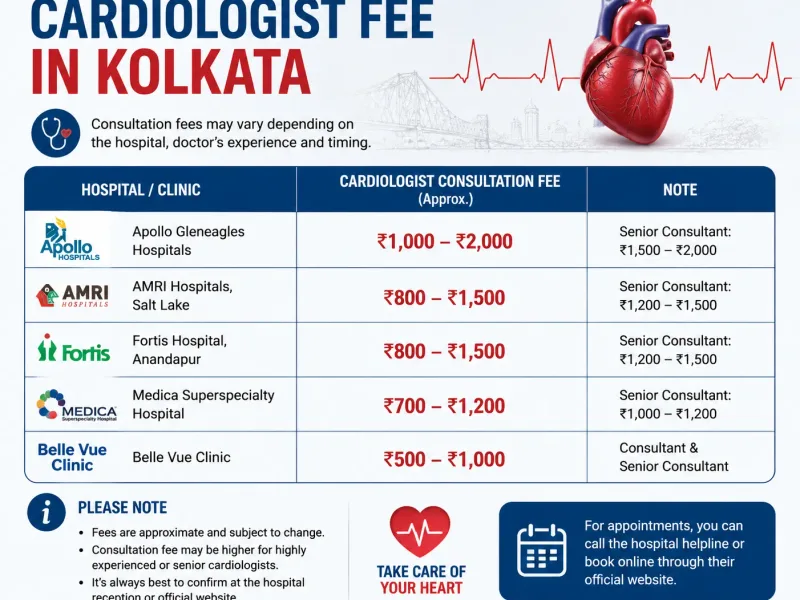
Learn about cardiologist fee in Kolkata, consultation charges, factors affecting costs, and tips to choose the right heart specialist.
May 29, 2026

A simple guide to the best shortness of breath specialist in Kolkata, including causes, symptoms, treatment options, and expert medical advice.
May 29, 2026

Find the best chest pain doctor in Kolkata. Learn causes, symptoms, tests, and treatment options from top heart specialists in simple English.
May 29, 2026