

Emergency & Help
24/7 Emergency & General Advisory
🚨 24/7 Medical Emergency
Non-Emergency Advisory
10:00 AM – 6:00 PM, Mon–Sat
For appointments & general queries.
24/7 Emergency & General Advisory
🚨 24/7 Medical Emergency
Non-Emergency Advisory
10:00 AM – 6:00 PM, Mon–Sat
For appointments & general queries.
Understand Medicare Part D, your prescription drug coverage. Learn about eligibility, costs, enrollment periods, and how to choose the best plan to cover your medications.

Navigating the complexities of healthcare can be daunting, especially when it comes to managing prescription medications. For individuals aged 65 and older, or those with certain disabilities, Medicare offers various parts to cover different health needs. Among these, Medicare Part D plays a vital role in helping to manage the cost of prescription drugs. This guide aims to provide a comprehensive understanding of Medicare Part D, how it works, and how to make the most informed decisions about your coverage.
Medicare is a federal health insurance program primarily for people aged 65 or older, as well as younger people with certain disabilities. It’s divided into different parts, each covering specific services. Part A generally covers hospital stays, Part B covers outpatient medical services, and Part C offers alternative ways to receive Medicare benefits. Part D is specifically designed to help beneficiaries afford prescription medications, which can be a significant expense.
The rising cost of medications is a concern for many. Between 2013 and 2017, prescription drug spending in the U.S. increased by an average of 10.6% annually. This highlights the importance of a program like Medicare Part D in making necessary medications accessible.
Medicare Part D, also known as the Prescription Drug Benefit, is an optional plan that helps cover the costs of medications not typically covered by Medicare Part A or Part B. It’s important to know that this coverage isn't automatic. You must actively enroll in a Part D plan.
To be eligible for Part D, you generally need to be enrolled in either Medicare Part A or Part B. The federal government subsidizes a significant portion of the costs associated with Part D, but beneficiaries are still responsible for premiums, deductibles, and copayments.
A key aspect of Part D is its formulary, which is a list of prescription drugs covered by the specific plan. While all plans must cover a standard set of medications, the exact drugs included can vary from one plan to another. This means it’s essential to check if your specific medications are covered by a plan before enrolling.
The Coverage Gap (Donut Hole): Historically, Part D plans included a coverage gap, often referred to as the “donut hole.” This was a temporary limit on what the plan would cover for drugs. While the Affordable Care Act has significantly reduced this gap, it’s still a concept to be aware of. For 2020, the government has worked to ensure beneficiaries pay no more than 25% of the cost for both brand-name and generic drugs while in the coverage gap. Discounts of up to 70% on brand-name drugs are also available during this period.
Catastrophic Coverage: Once you reach a certain out-of-pocket spending limit for the year, you enter the catastrophic coverage phase. In 2020, this limit was $6,350. After reaching this threshold, you typically pay only a small coinsurance (around 5%) for your covered drugs for the rest of the year.
Eligibility for Medicare Part D generally requires you to be enrolled in Medicare Part A or Part B. There are specific circumstances that may allow enrollment:
With various plans available, selecting the best Medicare Part D plan can feel overwhelming. Here’s what to consider:
The most critical step is to verify that the medications you regularly take are included in the plan’s formulary. If a specific drug isn't listed, investigate if an exception can be made. This usually involves your doctor sending a formal letter to the insurance company explaining the medical necessity for that particular medication. Approval for exceptions is decided on a case-by-case basis.
Each plan has its own set of costs:
Check if your preferred pharmacy is part of the plan’s network. Using an out-of-network pharmacy might result in higher costs.
Look for plans with high quality ratings. Medicare provides star ratings for Part D plans, indicating their overall performance and member satisfaction.
Enrollment periods are specific and crucial to avoid penalties:
If you don’t enroll in a Part D plan when you are first eligible and don’t have other creditable prescription drug coverage for 63 consecutive days or more, you may have to pay a late enrollment penalty. This penalty is added to your monthly premium for as long as you have Medicare drug coverage. The penalty is calculated based on the number of full months you were eligible but didn't have coverage.
To avoid unexpected costs and potential penalties, it’s wise to plan your enrollment carefully. If you decide not to enroll in Part D when you first become eligible, ensure you have other “creditable” prescription drug coverage. Creditable coverage is coverage that is expected to pay, on average, at least as much as Medicare’s standard prescription drug coverage.
Example Scenario: Mrs. Sharma, who is turning 65, has been reviewing her Medicare options. She takes several medications for her blood pressure and diabetes. She noticed that her current employer-sponsored drug coverage will end when she retires. She plans to enroll in Medicare Part A and then look for a Medicare Part D plan during the Annual Election Period to ensure continuous coverage for her prescriptions without incurring a late enrollment penalty.
You can ask your doctor to prescribe a similar, covered drug. If that’s not possible, you can request an exception from your plan. Your doctor will need to provide a letter explaining why the non-formulary drug is medically necessary. Each request is reviewed individually.
Generally, you can only change your plan during the Annual Election Period (October 15 – December 7) or a Special Enrollment Period if you qualify.
Medicare offers Extra Help, a program to help people with limited income and resources pay Medicare prescription drug program costs, such as premiums, annual deductibles, and copayments. You can check your eligibility on the Social Security Administration’s website.
Most Medicare Part D plans cover most vaccinations, such as the flu shot, with no copayment required.
Choosing and managing a Medicare Part D plan is a significant part of maintaining your health and financial well-being. By understanding your options, carefully reviewing plan details, and enrolling during the designated periods, you can ensure you have the prescription drug coverage you need.
Visit Hospital
Near You
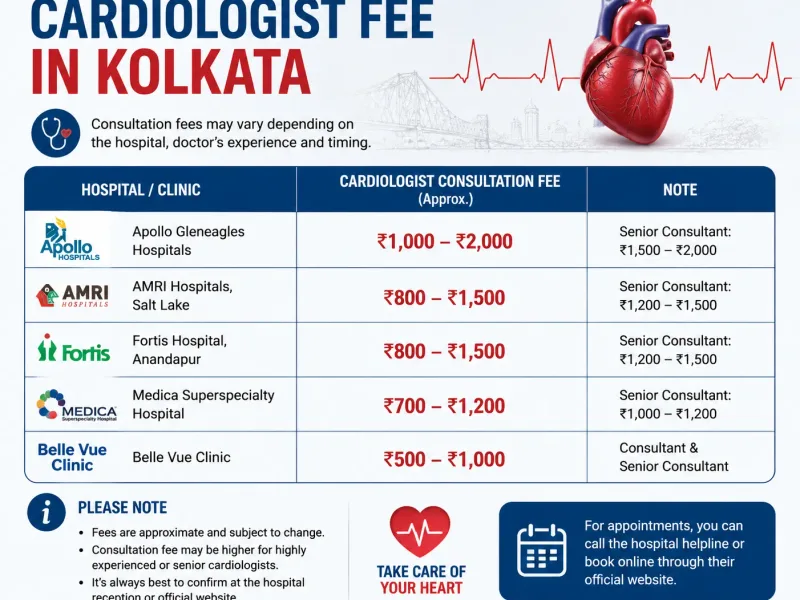
Learn about cardiologist fee in Kolkata, consultation charges, factors affecting costs, and tips to choose the right heart specialist.
May 29, 2026
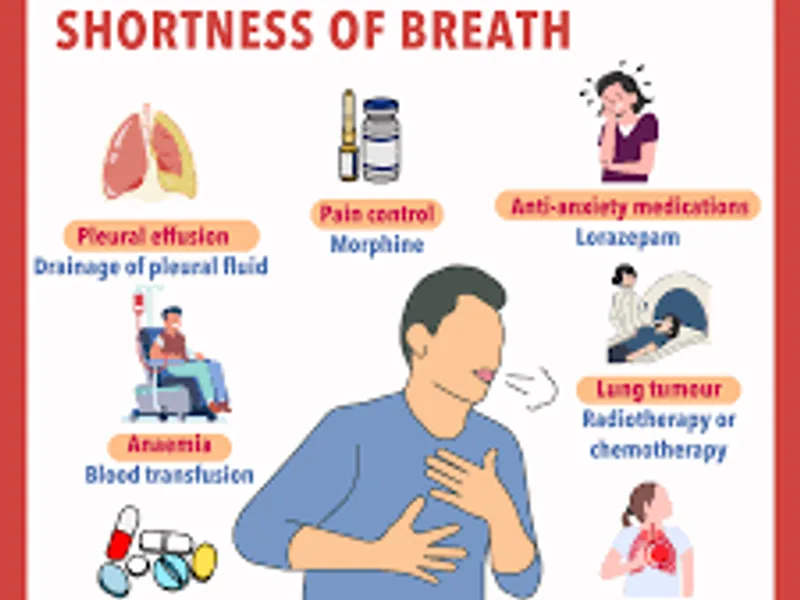
A simple guide to the best shortness of breath specialist in Kolkata, including causes, symptoms, treatment options, and expert medical advice.
May 29, 2026

Find the best chest pain doctor in Kolkata. Learn causes, symptoms, tests, and treatment options from top heart specialists in simple English.
May 29, 2026