

Emergency & Help
24/7 Emergency & General Advisory
🚨 24/7 Medical Emergency
Non-Emergency Advisory
10:00 AM – 6:00 PM, Mon–Sat
For appointments & general queries.
24/7 Emergency & General Advisory
🚨 24/7 Medical Emergency
Non-Emergency Advisory
10:00 AM – 6:00 PM, Mon–Sat
For appointments & general queries.
Learn what steps to take if you suspect a medical misdiagnosis. This guide covers how to seek second opinions, understand your rights, and advocate for accurate healthcare to ensure you get the correct treatment and support.

Receiving a medical diagnosis can be a pivotal moment in your health journey, offering clarity and a path towards recovery. However, what happens when that diagnosis feels wrong, or your symptoms persist despite treatment? The unsettling reality of a misdiagnosis can leave patients feeling confused, frustrated, and even more unwell. A misdiagnosis occurs when a healthcare professional makes an incorrect or incomplete assessment of a patient's condition, leading to inappropriate or delayed treatment. This comprehensive guide from Doctar aims to empower you with the knowledge and steps needed to navigate the complex landscape of a potential misdiagnosis, ensuring you advocate effectively for your health and receive the accurate care you deserve.
A misdiagnosis is more than just a minor error; it's a significant diagnostic failure that can have profound consequences. It typically falls into one of three categories:
The impact of a misdiagnosis can range from prolonged suffering and unnecessary treatments to irreversible health damage or even fatality. It's a critical issue in healthcare that demands patient vigilance and proactive engagement.
The consequences of a misdiagnosis extend beyond just physical health. They can profoundly affect a patient's overall well-being:
While only a medical professional can definitively diagnose a condition, patients often have a strong intuition when something isn't right. Here are key indicators that might suggest a potential misdiagnosis:
If you've been following a prescribed treatment plan, but your symptoms aren't improving, or worse, are getting more severe, it's a major red flag. Effective treatment should yield some positive changes.
Sometimes, a treatment for a misdiagnosed condition can cause new, unexpected symptoms. Or, if your original symptoms are still evolving or new ones emerge that don't fit the current diagnosis, it warrants further investigation.
While it's important not to self-diagnose, your personal understanding of your body and any research you've done (from credible sources) might lead you to question a diagnosis. If a diagnosis feels 'off' or doesn't logically explain all your symptoms, trust your gut feeling and seek clarity.
If your doctor cannot clearly explain your diagnosis or the rationale behind the treatment, or if different doctors offer vastly different opinions without clear justification, it's a cause for concern.
Some conditions are rare, and others present with atypical symptoms, making them harder to diagnose. If your symptoms are unusual or your diagnosis is uncommon, it might increase the risk of misdiagnosis.
Discovering you might be misdiagnosed can be overwhelming, but taking systematic steps can help you regain control and move towards an accurate diagnosis. Here's a structured approach:
Before you do anything else, start a detailed record of your health journey. This documentation will be invaluable.
Before seeking other opinions, it's often best to first discuss your concerns with your primary doctor. They know your history best, and a frank conversation can sometimes resolve issues.
Visit Hospital
Near You
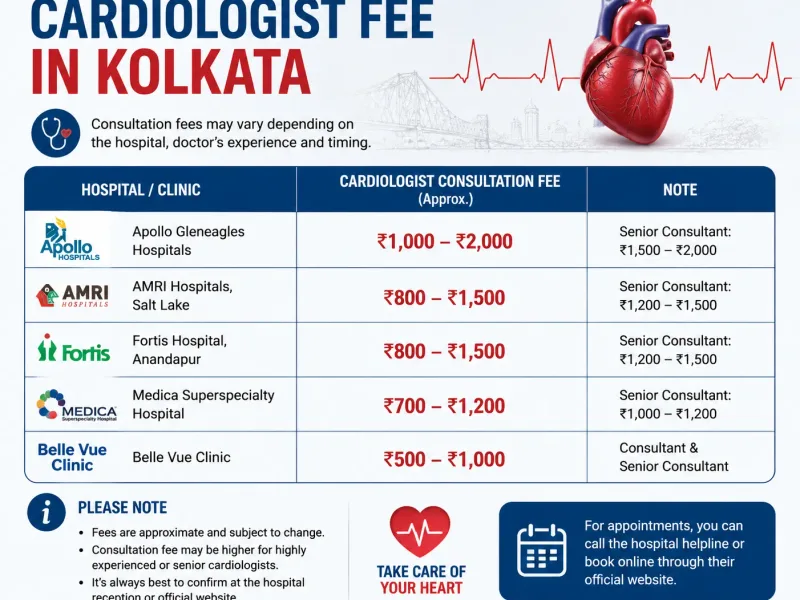
Learn about cardiologist fee in Kolkata, consultation charges, factors affecting costs, and tips to choose the right heart specialist.
May 29, 2026
A simple guide to the best shortness of breath specialist in Kolkata, including causes, symptoms, treatment options, and expert medical advice.
May 29, 2026

Find the best chest pain doctor in Kolkata. Learn causes, symptoms, tests, and treatment options from top heart specialists in simple English.
May 29, 2026