

Emergency & Help
24/7 Emergency & General Advisory
🚨 24/7 Medical Emergency
Non-Emergency Advisory
10:00 AM – 6:00 PM, Mon–Sat
For appointments & general queries.
24/7 Emergency & General Advisory
🚨 24/7 Medical Emergency
Non-Emergency Advisory
10:00 AM – 6:00 PM, Mon–Sat
For appointments & general queries.
Unlock a deeper understanding of antipsychotic medications with our expert Q&A. Learn about their uses, types, side effects, and what to expect from treatment for mental health conditions like schizophrenia and bipolar disorder. Get factual insights for informed decisions.

In the realm of mental health, understanding treatment options is paramount. Antipsychotic medications play a crucial role in managing several severe mental health conditions, helping individuals achieve stability and improve their quality of life. Yet, misconceptions and questions often surround these powerful drugs. To demystify their use and provide clarity, we turn to expert insights on antipsychotic medications.
Antipsychotic medications are a class of drugs primarily used to treat psychotic disorders such as schizophrenia, bipolar disorder, and severe depression with psychotic features. They work by altering the balance of neurotransmitters in the brain, particularly dopamine and serotonin, which are involved in mood, thought, and behavior regulation. By modulating these chemicals, antipsychotics can reduce symptoms like hallucinations, delusions, disorganized thinking, and severe agitation.
While the exact mechanisms are complex and still being researched, the primary action of most antipsychotics involves blocking dopamine receptors in the brain. Dopamine overactivity is often linked to psychotic symptoms. Newer generations of antipsychotics also affect serotonin receptors, which contributes to their broader efficacy and potentially different side effect profiles.
Antipsychotics are broadly categorized into two main generations:
Antipsychotics are versatile medications used to manage a range of mental health conditions:
Antipsychotic medications are available in various forms, including oral tablets, liquid solutions, and long-acting injectable (LAI) formulations. LAIs are particularly beneficial for individuals who struggle with medication adherence, as they can provide consistent medication levels for weeks or even months.
Dosage is highly individualized and determined by a healthcare provider based on the specific condition being treated, the patient's response, and the presence of side effects. It's crucial to start with a low dose and gradually increase it (titration) to find the most effective dose with the fewest side effects. Never adjust your dosage or stop taking your medication without consulting your doctor.
Like all medications, antipsychotics can cause side effects. These vary widely depending on the specific drug, dosage, and individual patient. It's important to discuss potential side effects with your doctor and report any new or concerning symptoms promptly.
It is vital to report any concerning side effects to your healthcare provider immediately. Many side effects can be managed by adjusting the dosage, switching medications, or adding other treatments.
Successful treatment with antipsychotics involves more than just taking the medication. It requires ongoing collaboration with your healthcare team and attention to various aspects of your health:
You should always maintain open communication with your mental health provider. Consult your doctor if you experience any of the following:
No, antipsychotics are not considered addictive in the same way as substances like opioids or benzodiazepines. They do not typically produce a euphoric high or lead to drug-seeking behavior. However, stopping them abruptly can lead to withdrawal-like symptoms or a relapse of the underlying condition, which is why gradual tapering under medical supervision is crucial.
The duration of treatment varies greatly depending on the individual and the condition. For chronic conditions like schizophrenia, long-term or even lifelong treatment is often necessary to prevent relapse. For conditions like a single episode of psychosis or bipolar mania, treatment might be for a shorter, but still substantial, period. Your doctor will discuss the appropriate duration based on your specific situation.
It is generally advised to avoid or significantly limit alcohol consumption while on antipsychotics. Alcohol can intensify the sedative effects of these medications, impair judgment, and worsen psychiatric symptoms. It can also increase the risk of certain side effects.
If you miss a dose, take it as soon as you remember, unless it's almost time for your next dose. In that case, skip the missed dose and continue with your regular schedule. Do not double up on doses. If you frequently miss doses, discuss strategies with your doctor to improve adherence, such as using pill organizers or setting reminders.
Antipsychotics are designed to alleviate symptoms of severe mental illness, not to change your core personality. While some people may experience sedation or feel "dull" initially, the goal of treatment is to help you regain clarity of thought, emotional stability, and your true self by reducing the burden of psychotic symptoms. If you feel your personality is changing negatively, discuss this with your doctor.
Antipsychotic medications are a cornerstone of treatment for many severe mental health conditions, offering significant relief from debilitating symptoms and enabling individuals to lead more stable and fulfilling lives. However, their use requires careful consideration, ongoing monitoring, and open communication with your healthcare provider. By understanding how these medications work, their potential benefits, and their side effects, you can become an active and informed participant in your mental health journey. Always consult with a qualified medical professional for personalized advice and treatment.
The information provided in this article is for educational purposes only and does not constitute medical advice. Always consult with a qualified healthcare professional for diagnosis and treatment of any medical condition.

Learn about cardiologist fee in Kolkata, consultation charges, factors affecting costs, and tips to choose the right heart specialist.
May 29, 2026
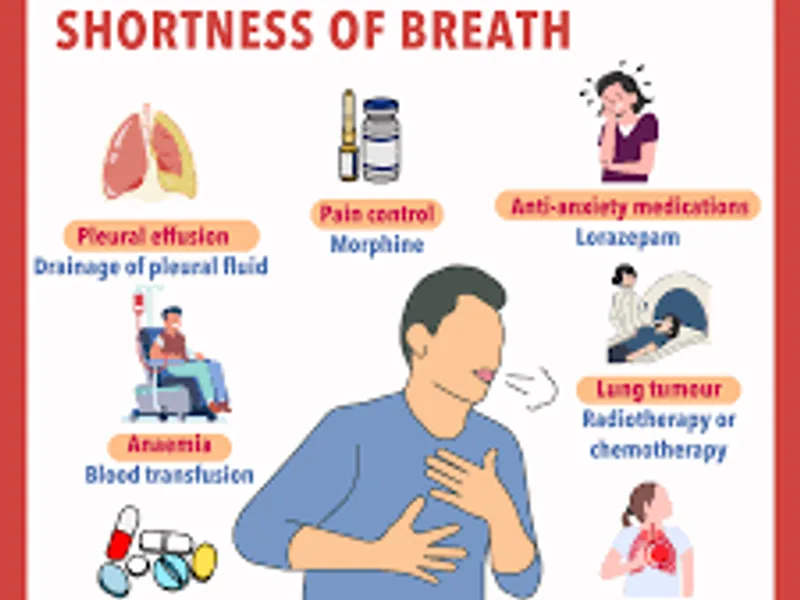
A simple guide to the best shortness of breath specialist in Kolkata, including causes, symptoms, treatment options, and expert medical advice.
May 29, 2026

Find the best chest pain doctor in Kolkata. Learn causes, symptoms, tests, and treatment options from top heart specialists in simple English.
May 29, 2026